




Filters
SORT
Product Availability –
Product Type –
Used With –
Mount –
Spring Range –
Review Score –
 --%3E %3Csvg version='1.1' id='Fill' xmlns='http://www.w3.org/2000/svg' xmlns:xlink='http://www.w3.org/1999/xlink' x='0px' y='0px' viewBox='0 0 100 100' enable-background='new 0 0 100 100' xml:space='preserve'%3E %3Cpath fill='%23F15C02' d='M79.44,0.95H20.56C9.78,0.95,0.95,9.78,0.95,20.56v58.87c0,10.79,8.82,19.61,19.61,19.61h58.87 c10.79,0,19.61-8.83,19.61-19.61V20.56C99.05,9.78,90.22,0.95,79.44,0.95z M65.38,58.24l9.38,29.58L49.69,69.78L24.5,87.82 l9.34-29.6L8.8,39.6l30.73-0.17c0,0,6.98-19.61,10-28.93c0.54,1.36,9.88,29.1,9.88,29.1H91.2L65.38,58.24z'/%3E %3C/svg%3E)
Price Range –
Pneumatic Damper Actuators

 --%3E %3Csvg version='1.1' id='No-RB' xmlns='http://www.w3.org/2000/svg' xmlns:xlink='http://www.w3.org/1999/xlink' x='0px' y='0px' viewBox='0 0 100 100' enable-background='new 0 0 100 100' xml:space='preserve'%3E %3Cpath fill='%23CECECE' d='M79.44,0.95H20.56C9.78,0.95,0.95,9.78,0.95,20.56v58.87c0,10.79,8.82,19.61,19.61,19.61h58.87 c10.79,0,19.61-8.83,19.61-19.61V20.56C99.05,9.78,90.22,0.95,79.44,0.95z M65.38,58.24l9.38,29.58L49.69,69.78L24.5,87.82 l9.34-29.6L8.8,39.6l30.73-0.17c0,0,6.98-19.61,10-28.93c0.54,1.36,9.88,29.1,9.88,29.1H91.2L65.38,58.24z'/%3E %3C/svg%3E)
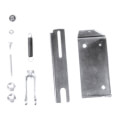
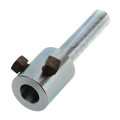
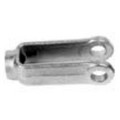

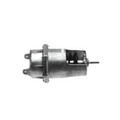
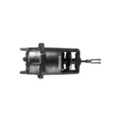
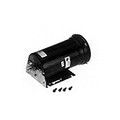
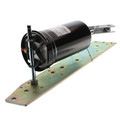
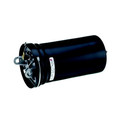

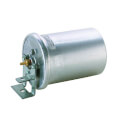

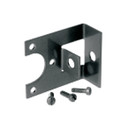
Pneumatic Damper Actuators are piston or diaphragm devices that convert compressed air pressure into the linear or rotary motion needed to open and close HVAC dampers. Building automation systems still use these actuators heavily on mixing box dampers, outside air dampers, exhaust dampers, and unit ventilators wherever an existing pneumatic control loop is already in place. Siemens builds its actuators around a set of standard spring ranges, including a 3 to 7 psi range and an 8 to 13 psi range, so a control tech can sequence multiple dampers off the same main air pressure. Johnson Controls covers a wider torque range on its pneumatic line, from 35 to 560 lbf-in, with both direct mount and remote mount options housed in lightweight aluminum. Choosing the right spring range and mounting style keeps a damper actuator working in sequence with the rest of a pneumatic control system instead of fighting against it, which matters most on retrofit jobs where the pneumatic tubing and air compressor are already installed and staying pneumatic is the practical choice.
Subcategories
- Low Spring Range Actuators (3 to 7 psi): Low spring range actuators begin stroking at the lower end of the main air pressure band, typically a 3 to 7 psi range on Siemens branded models. Control techs specify this range on dampers that need to start moving early in a sequence, such as a mixing damper that should begin opening before other dampers in the same air handling unit react. Sequencing several actuators across different spring ranges lets one shared main air line control an entire economizer sequence. A 3 to 7 psi actuator suits normally open applications where the damper needs to respond first.
- Mid Spring Range Actuators (8 to 13 psi): Mid spring range actuators wait until air pressure climbs to roughly 8 to 13 psi before they begin to stroke, a range Siemens uses on many of its 331 series models. Control techs place actuators in this range later in a sequence, after low range dampers have already begun moving. Outside air and exhaust dampers commonly use this range so they lag slightly behind the mixing dampers in the same system. Coordinating spring ranges across a job keeps multiple dampers from fighting each other over the same air main.
- Wide Spring Range Actuators (3 to 13 psi): Wide spring range actuators stroke across a broad 3 to 13 psi band instead of a narrow segment of the main air pressure range. Control techs use this style when a single damper needs to track pressure changes across the full sequence rather than snapping open or closed at one point. Covering more of the pressure band in one actuator can simplify a retrofit where matching several narrow range actuators isn't practical. The tradeoff is less precise sequencing in exchange for broader coverage from a single device.
- High Torque Piston Actuators: High torque piston actuators from Johnson Controls cover a torque range from 35 to 560 lbf-in, well beyond what a typical diaphragm actuator handles. Contractors specify this style on larger damper blades or higher static pressure applications where a standard actuator doesn't generate enough force to fully stroke the blade. Both direct mount and remote mount versions are available, housed in lightweight aluminum to keep installed weight down on the damper linkage. Remote mount options help when space around the damper is too tight for a direct mounted actuator body.
Buying Guide
Start by confirming the existing control system is actually pneumatic before ordering a replacement actuator. Retrofitting a single actuator into a building that has already switched to electronic controls usually means adapting the linkage or the whole zone, not just swapping parts.
Next, match the spring range to where the damper sits in the control sequence. Pneumatic Damper Actuators with a low spring range such as 3 to 7 psi start stroking early and suit dampers that need to move first, while an 8 to 13 psi range holds off until later in the sequence. Wide range actuators covering 3 to 13 psi trade precise sequencing for one device that tracks the whole pressure band, which can simplify a retrofit where matching several narrow ranges isn't practical.
Torque and damper blade size come next. Standard diaphragm actuators handle typical mixing box and outside air dampers, but larger blades or higher static pressure applications call for a higher torque piston actuator, such as models covering a wider range up to 560 lbf-in.
Finally, check mounting clearance around the damper. Direct mount actuators bolt straight to the damper shaft and need less linkage, while remote mount versions work better when space around the damper is tight. Confirming spring range, torque, and mounting clearance together before ordering avoids a mismatched actuator that either fights the sequence or physically doesn't fit.
Frequently Asked Questions
What spring range should a mixing damper actuator have?
Mixing dampers in a pneumatic sequence typically use a low spring range actuator, such as one covering 3 to 7 psi, so the damper begins moving early relative to outside air or exhaust dampers on the same system. Pneumatic Damper Actuators in this lower range respond first as main air pressure climbs. Checking the existing sequence of operation before ordering keeps a new actuator matched to how the rest of the system is already staged.
Can a pneumatic damper actuator work on an electronic control system?
A pneumatic actuator needs a compressed air line to function, so it cannot run directly off an electronic control signal without an added transducer or full conversion. Buildings mixing both control types usually keep pneumatic actuators only on zones that still have the original air tubing intact. Confirming which control type serves a given zone before ordering avoids installing a part that has no air supply to run on.
What torque range do pneumatic damper actuators cover?
Torque coverage varies by brand and model, with Johnson Controls pneumatic actuators spanning from 35 to 560 lbf-in across their line. Higher torque models handle larger damper blades or higher static pressure applications that a standard diaphragm actuator cannot fully stroke. Matching torque to blade size and system pressure keeps the damper opening and closing fully rather than stalling partway.
What's the difference between direct mount and remote mount actuators?
Direct mount actuators bolt straight onto the damper shaft, which keeps the installation simple when there's clearance around the damper for the actuator body. Remote mount versions connect through linkage instead, which helps in tight mechanical spaces where a direct mounted actuator wouldn't physically fit. Pneumatic Damper Actuators come in both mounting styles from major manufacturers so contractors can pick based on available clearance.
Why do some jobs use a wide spring range actuator instead of a narrow one?
A wide spring range actuator, such as one covering 3 to 13 psi, tracks pressure changes across the full sequence instead of stroking within one narrow segment. Contractors use this style when a retrofit doesn't call for precisely staged sequencing across several actuators. The tradeoff is less precise coordination with other dampers in exchange for covering more of the pressure band from a single device.
