




ProMelt Snow Melting Mats

 --%3E %3Csvg version='1.1' id='No-RB' xmlns='http://www.w3.org/2000/svg' xmlns:xlink='http://www.w3.org/1999/xlink' x='0px' y='0px' viewBox='0 0 100 100' enable-background='new 0 0 100 100' xml:space='preserve'%3E %3Cpath fill='%23CECECE' d='M79.44,0.95H20.56C9.78,0.95,0.95,9.78,0.95,20.56v58.87c0,10.79,8.82,19.61,19.61,19.61h58.87 c10.79,0,19.61-8.83,19.61-19.61V20.56C99.05,9.78,90.22,0.95,79.44,0.95z M65.38,58.24l9.38,29.58L49.69,69.78L24.5,87.82 l9.34-29.6L8.8,39.6l30.73-0.17c0,0,6.98-19.61,10-28.93c0.54,1.36,9.88,29.1,9.88,29.1H91.2L65.38,58.24z'/%3E %3C/svg%3E)
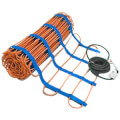
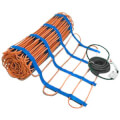
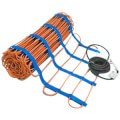
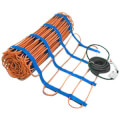
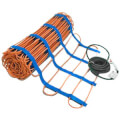

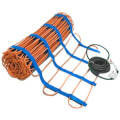

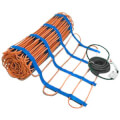
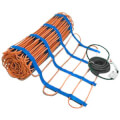
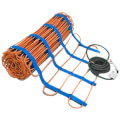
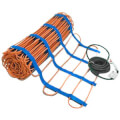
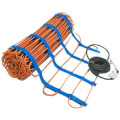

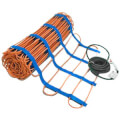
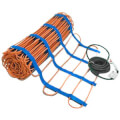
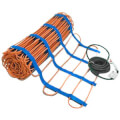
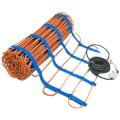
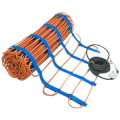
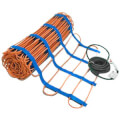
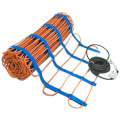
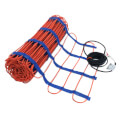
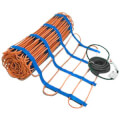
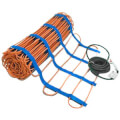
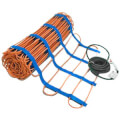

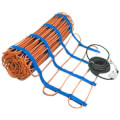
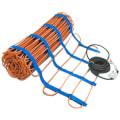
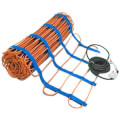
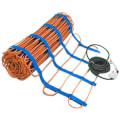
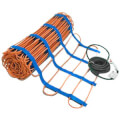
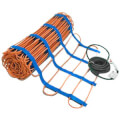

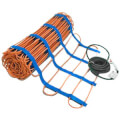
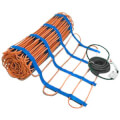
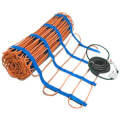
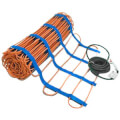
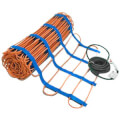
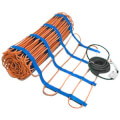
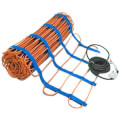

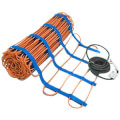
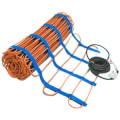
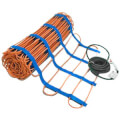
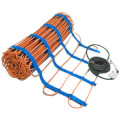
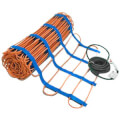
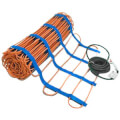

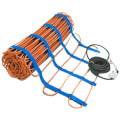
ProMelt Snow Melting Mats are electric radiant heating mats installed under concrete, asphalt, or pavers to melt snow and ice from driveways, walkways, and other exterior surfaces before it can accumulate. Contractors installing hydronic and electric snow-melt systems choose them for embedded applications where a hardwired system needs to run automatically once weather conditions turn wet and cold. The mats are available in 2 foot and 3 foot widths with a heat output of either 38 or 50 watts per square foot, giving installers a way to match capacity to the expected snowfall load at a given site.
An automatic snow sensor activates the system once moisture and temperature conditions are both met, so the mat runs only when needed rather than staying on continuously. For properties that deal with heavy foot traffic or liability concerns around icy walkways, a properly sized ProMelt installation keeps surfaces clear without relying on salt, chemicals, or manual shoveling after every storm.
Subcategories
- 38 Watt Mats: 38 watt per square foot ProMelt mats handle light to moderate snowfall rates, making them a fit for residential driveways and walkways in regions with milder winters. Contractors size these into jobs where snow accumulation is occasional rather than constant. The lower wattage draws less electrical load per square foot, which can simplify circuit sizing on smaller service panels.
- 50 Watt Mats: 50 watt per square foot mats step up to moderate and heavy snowfall rates, suited to commercial properties or northern climates that see frequent storms. The higher output clears snow faster during heavy accumulation, which matters for properties that need walkways open during business hours. Circuit sizing needs to account for the added electrical draw.
- 2 Foot Wide Mats: 2 foot wide mats fit narrower walkways, entry steps, and single-file paths where a full driveway system isn't needed. Installers commonly use this width for embedding around building entrances and loading docks. Multiple mats can run side by side to cover a wider area if needed.
- 3 Foot Wide Mats: 3 foot wide mats cover more surface area per run, reducing the number of individual mats and electrical connections needed on a driveway or larger walkway. Commercial properties with wide entry points often specify this width to cut down on installation time. The wider format still comes in the same 38 and 50 watt per square foot options.
Buying Guide
Sizing a snow-melt job starts with the local climate. Light to moderate snowfall regions can run on 38 watt per square foot mats, while areas that see frequent heavy storms call for the 50 watt option to keep pace with accumulation. Next, measure the exact area that needs coverage, since ProMelt Snow Melting Mats come in fixed widths of 2 feet or 3 feet and specific lengths, so laying out the job in advance avoids ordering an odd number of mats that leave gaps in coverage.
Electrical service matters just as much as mat selection. Available voltage options include 120, 208, 240, and 277 VAC, so confirm what the property's electrical panel can support before specifying a system, and loop in an electrician early if the load requires a dedicated circuit or panel upgrade. Installation method also shapes the decision: mats need to be fully embedded in concrete, asphalt, sand, or a thick mortar bed, with concrete pours covering the mat by at least 1.5 inches and no more than 3 inches, on a slab at least 4 inches thick overall. Skipping this step risks damaging the heating element or leaving cold spots. Pair the mat with an automatic snow sensor rather than a manual switch, since sensor-controlled systems only run when moisture and temperature conditions call for it, which keeps operating costs down over a full winter season compared to a system left on a timer.
Frequently Asked Questions
How much snowfall can ProMelt mats handle?
38 watt per square foot ProMelt mats handle light to moderate snowfall, while 50 watt per square foot mats are built for moderate to heavy snow events. Matching wattage to the local climate keeps the system clearing snow at the rate it falls rather than falling behind during a heavy storm.
Do ProMelt Snow Melting Mats need to sit in concrete?
Mats need to be fully embedded in concrete, asphalt, sand, or a thick mortar bed rather than installed loose under a surface. Concrete pours should cover the mat by at least 1.5 inches and no more than 3 inches, with a total slab thickness of at least 4 inches.
What voltage do ProMelt mats run on?
ProMelt mats are available in 120, 208, 240, and 277 VAC options, so the choice depends on what the property's electrical service can supply. Confirming available voltage and circuit capacity before ordering avoids a mismatch between the mat and the panel.
Does a ProMelt system turn on automatically?
An automatic snow sensor activates the mat once moisture and temperature conditions both indicate snow or ice, so the system doesn't need to be switched on manually before every storm. Sensor-based control also helps limit electrical use compared to running the system on a fixed timer.
What widths do ProMelt mats come in?
ProMelt mats are manufactured in 2 foot and 3 foot widths, with multiple mats able to run side by side for wider driveways or walkways. Picking the right width and length combination up front reduces the number of seams and connections needed across a job.
