




Pump Motors


 --%3E %3Csvg version='1.1' id='No-RB' xmlns='http://www.w3.org/2000/svg' xmlns:xlink='http://www.w3.org/1999/xlink' x='0px' y='0px' viewBox='0 0 100 100' enable-background='new 0 0 100 100' xml:space='preserve'%3E %3Cpath fill='%23CECECE' d='M79.44,0.95H20.56C9.78,0.95,0.95,9.78,0.95,20.56v58.87c0,10.79,8.82,19.61,19.61,19.61h58.87 c10.79,0,19.61-8.83,19.61-19.61V20.56C99.05,9.78,90.22,0.95,79.44,0.95z M65.38,58.24l9.38,29.58L49.69,69.78L24.5,87.82 l9.34-29.6L8.8,39.6l30.73-0.17c0,0,6.98-19.61,10-28.93c0.54,1.36,9.88,29.1,9.88,29.1H91.2L65.38,58.24z'/%3E %3C/svg%3E)


 --%3E %3Csvg version='1.1' id='Fill' xmlns='http://www.w3.org/2000/svg' xmlns:xlink='http://www.w3.org/1999/xlink' x='0px' y='0px' viewBox='0 0 100 100' enable-background='new 0 0 100 100' xml:space='preserve'%3E %3Cpath fill='%23F15C02' d='M79.44,0.95H20.56C9.78,0.95,0.95,9.78,0.95,20.56v58.87c0,10.79,8.82,19.61,19.61,19.61h58.87 c10.79,0,19.61-8.83,19.61-19.61V20.56C99.05,9.78,90.22,0.95,79.44,0.95z M65.38,58.24l9.38,29.58L49.69,69.78L24.5,87.82 l9.34-29.6L8.8,39.6l30.73-0.17c0,0,6.98-19.61,10-28.93c0.54,1.36,9.88,29.1,9.88,29.1H91.2L65.38,58.24z'/%3E %3C/svg%3E)


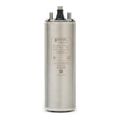
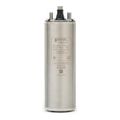
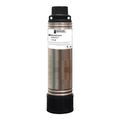
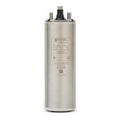
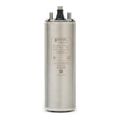
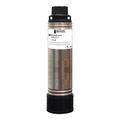
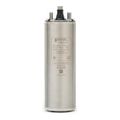
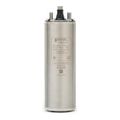
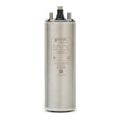


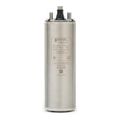
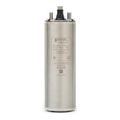
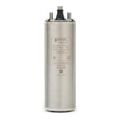

Pump Motors are the electric drive components that power jet pumps, circulator pumps, and submersible well systems in residential and commercial water applications. Contractors rely on these motors to replace worn-out originals or upgrade underperforming equipment without swapping the entire pump assembly. Many models, like the US Motors JJ0502-2V, run on dual voltage (115/230V) and deliver 1/2 HP at 3600 RPM, giving installers flexibility to match existing electrical panels without rewiring. Horsepower, RPM, frame size, and voltage all need to match the original equipment specifications or the pump manufacturer's requirements for proper operation. A mismatched motor can cause premature bearing wear, overheating, or insufficient flow output. Selecting a compatible Pump Motor keeps water systems running reliably and saves a full pump replacement when only the motor has failed.
Subcategories
- Jet Pump Motors: Jet Pump Motors power single-stage and multi-stage jet pumps that draw water from shallow or deep wells. Installers use them to replace worn motors on existing jet pump assemblies without buying a whole new pump. The US Motors JJ0502-2V is a common example, delivering 1/2 HP at 3600 RPM on a dual 115/230V connection. Booster pumps and lawn sprinkler systems also use this same motor style.
- Circulator Pump Motors: Circulator Pump Motors drive hydronic heating and hot water recirculation pumps that keep water moving through piping loops. HVAC technicians pick these to restore circulation in hot water heating systems without replacing the pump housing. The US Motors 3261 is rated at 3/4 HP and 1725 RPM on a 115/208-230V capacitor-start design. Bearing style and shaft length matter most when matching a replacement to the existing pump body.
- Submersible Pump Motors: Submersible Pump Motors operate fully underwater inside well casings or sump pits, sealed against moisture intrusion. Well drillers and plumbers use them in deep well and sewage ejector applications where the entire pump unit stays submerged. Liberty Pumps builds submersible units like the 457, rated at 1/2 HP on 115V service, for sump pump applications. Sizing depends on well depth, flow rate needed, and the pump curve of the attached impeller stack.
- Special Application Pump Motors: Special Application Pump Motors cover carbonator, commercial beverage, and other niche pump systems that need a specific motor profile. Foodservice equipment technicians rely on these for carbonator and dispensing systems that circulate liquids under controlled pressure. The US Motors 6078 delivers 1/2 HP at 1725 RPM on a 120/240V connection built for this kind of duty. Frame dimensions and shaft configuration on these units are often unique to the equipment they're paired with.
Buying Guide
Choosing the right Pump Motor starts with matching horsepower and RPM to the pump it will drive, since running an underpowered motor causes overheating and running an oversized one can damage the pump housing. Frame size comes next: motors mount to pump bodies using standardized frame dimensions like 56J, and a mismatch means the shaft won't align with the impeller. Voltage matters just as much. Many replacement Pump Motors offer dual voltage windings, so a 115/230V motor can be wired to match whatever service is already run to the pump location, cutting down on rewiring work.
Bearing type and mount orientation (horizontal versus vertical) need to match the original equipment as well, since a pump designed for a vertical shaft won't perform correctly with a horizontal-mount motor. For submersible applications, confirm the motor is rated for continuous water immersion rather than open drip-proof service, since the two aren't interchangeable.
Application also narrows the field quickly. Circulating hot water calls for a capacitor-start motor rated for that duty, while carbonator and specialty beverage equipment need motors built to the equipment manufacturer's exact frame and shaft specs. Checking the nameplate on the failed motor for HP, voltage, RPM, and frame before ordering a replacement avoids a mismatched part and a second trip back to the supply counter.
Frequently Asked Questions
How do I know what horsepower Pump Motor I need?
Matching the horsepower of a replacement Pump Motor to the original nameplate rating is the most reliable way to size it correctly. Installing a motor with less horsepower than the pump requires causes overheating and premature failure, while an oversized motor can put unnecessary strain on the pump housing. Checking RPM and frame size alongside horsepower confirms a proper match.
Can a dual voltage Pump Motor run on either 115V or 230V without rewiring the motor itself?
Dual voltage Pump Motors, like the US Motors JJ0502-2V, are built with windings that support both 115V and 230V service. Switching voltage means reconnecting the motor's lead wires according to the wiring diagram on the nameplate, not rewiring the windings themselves, which gives installers flexibility to match whatever electrical service already runs to the pump location.
What's the difference between a submersible Pump Motor and a standard motor?
A submersible Pump Motor is sealed to operate fully surrounded by water inside a well casing or sump pit. A standard drip-proof motor isn't built for that environment and will short out or corrode if submerged. Well and sewage ejector applications require the submersible-rated version specifically.
Does frame size matter when replacing a Pump Motor?
Frame size determines whether a motor's shaft length and mounting bolt pattern line up with the pump housing it's replacing. A motor built on a different frame, such as a 56J, won't bolt up correctly even if the horsepower and voltage match. Checking the frame designation on the original motor's nameplate before ordering avoids a fitment problem.
What causes a Pump Motor to overheat?
Pump Motor overheating usually traces back to running the pump against too much head pressure, undersized wiring causing voltage drop, or a motor with less horsepower than the application needs. Comparing measured amperage draw to the nameplate rating helps identify which of these is the cause. Addressing the root issue, rather than just swapping in another motor, prevents repeat failures.
