




Filters
SORT
Product Availability –
Product Type –
Review Score –
 --%3E %3Csvg version='1.1' id='Fill' xmlns='http://www.w3.org/2000/svg' xmlns:xlink='http://www.w3.org/1999/xlink' x='0px' y='0px' viewBox='0 0 100 100' enable-background='new 0 0 100 100' xml:space='preserve'%3E %3Cpath fill='%23F15C02' d='M79.44,0.95H20.56C9.78,0.95,0.95,9.78,0.95,20.56v58.87c0,10.79,8.82,19.61,19.61,19.61h58.87 c10.79,0,19.61-8.83,19.61-19.61V20.56C99.05,9.78,90.22,0.95,79.44,0.95z M65.38,58.24l9.38,29.58L49.69,69.78L24.5,87.82 l9.34-29.6L8.8,39.6l30.73-0.17c0,0,6.98-19.61,10-28.93c0.54,1.36,9.88,29.1,9.88,29.1H91.2L65.38,58.24z'/%3E %3C/svg%3E)
 --%3E %3Csvg version='1.1' id='With-RB' xmlns='http://www.w3.org/2000/svg' xmlns:xlink='http://www.w3.org/1999/xlink' x='0px' y='0px' viewBox='0 0 100 100' enable-background='new 0 0 100 100' xml:space='preserve'%3E %3Cpath fill='%23FBC8B4' d='M79.44,0.95H20.56C9.78,0.95,0.95,9.78,0.95,20.56v58.87c0,10.79,8.82,19.61,19.61,19.61h58.87 c10.79,0,19.61-8.83,19.61-19.61V20.56C99.05,9.78,90.22,0.95,79.44,0.95z M65.38,58.24l9.38,29.58L49.69,69.78L24.5,87.82 l9.34-29.6L8.8,39.6l30.73-0.17c0,0,6.98-19.61,10-28.93c0.54,1.36,9.88,29.1,9.88,29.1H91.2L65.38,58.24z'/%3E %3C/svg%3E)
Price Range –
Siemens

 --%3E %3Csvg version='1.1' id='No-RB' xmlns='http://www.w3.org/2000/svg' xmlns:xlink='http://www.w3.org/1999/xlink' x='0px' y='0px' viewBox='0 0 100 100' enable-background='new 0 0 100 100' xml:space='preserve'%3E %3Cpath fill='%23CECECE' d='M79.44,0.95H20.56C9.78,0.95,0.95,9.78,0.95,20.56v58.87c0,10.79,8.82,19.61,19.61,19.61h58.87 c10.79,0,19.61-8.83,19.61-19.61V20.56C99.05,9.78,90.22,0.95,79.44,0.95z M65.38,58.24l9.38,29.58L49.69,69.78L24.5,87.82 l9.34-29.6L8.8,39.6l30.73-0.17c0,0,6.98-19.61,10-28.93c0.54,1.36,9.88,29.1,9.88,29.1H91.2L65.38,58.24z'/%3E %3C/svg%3E)

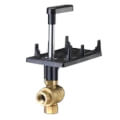
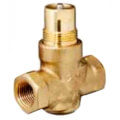
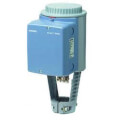

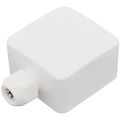

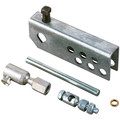

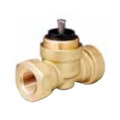
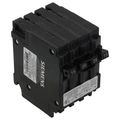
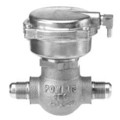
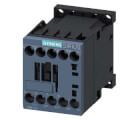
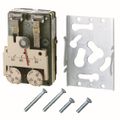
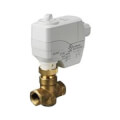
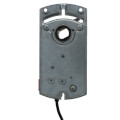
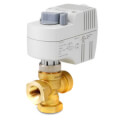
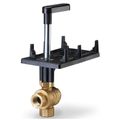
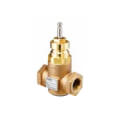
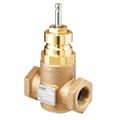
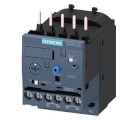
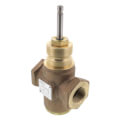
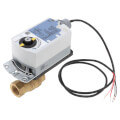
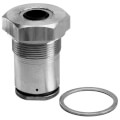
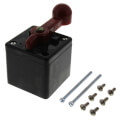
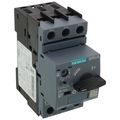
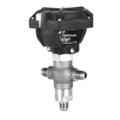
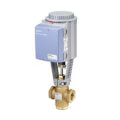
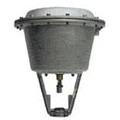
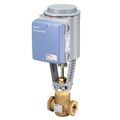
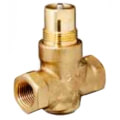
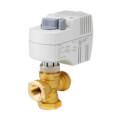
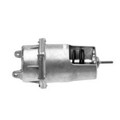

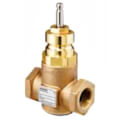

Siemens traces back to 1847, when Werner von Siemens founded the company in Germany; the business has since grown into one of the largest industrial conglomerates, headquartered in Munich. Its building technologies division, the part of the company most relevant to HVAC and controls contractors, took shape in 1998 when Siemens combined the industrial activities of Electrowatt, Cerberus, and Staefa Control System.
Each predecessor company brought its own specialty into the combined division: Electrowatt's roots reach back to 1895 in power generation and engineering, Cerberus was founded in 1940 with a focus on fire safety, and Staefa Control System was established in 1962 as a building automation specialist. The combined engineering legacy of those three companies underpins the building automation, HVAC controls, and fire safety products sold under the Siemens name today.
Product Lines
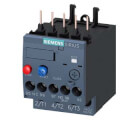
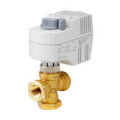
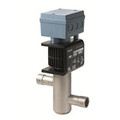
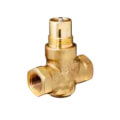
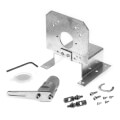
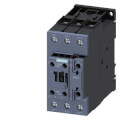
Siemens building technologies products carried by SupplyHouse include room thermostats, damper actuators, valves and actuators, and sensors used in commercial and light commercial HVAC systems. The thermostat lineup ranges from basic climate control units to models that support BACnet connectivity for larger building automation systems. Variable speed drives, high-efficiency motors, and heat meters round out the offering for contractors working on building automation and energy management projects.
Why Contractors Specify Siemens
Controls contractors specify Siemens because the building automation lineup is designed to work as a coordinated system, from thermostats and sensors through to the actuators and drives that control HVAC equipment. The brand's history of combining fire safety, building automation, and power engineering expertise under one roof means contractors can source compatible components for both life safety and comfort control on the same job. BACnet-compatible thermostats and controls also give contractors a path to scale a project from a single zone up to a full building automation system without changing brands mid-project.
How to Choose Siemens Products
Matching a Siemens thermostat or controller to a project starts with determining whether the building needs simple stand-alone climate control or connection to a larger building automation network running BACnet. Valve and actuator selection depends on the specific HVAC equipment being controlled, including the flow rates and pressures the existing piping or ductwork is designed to handle. For larger commercial jobs, confirming compatibility between sensors, controllers, and the building's existing automation backbone before ordering helps avoid a mismatched component holding up commissioning.
Frequently Asked Questions
What does Siemens building technologies cover?
The Siemens building technologies division covers HVAC controls, thermostats, valves and actuators, sensors, and building automation products that grew out of the 1998 combination of Electrowatt, Cerberus, and Staefa Control System.
Are Siemens thermostats compatible with building automation systems?
Many Siemens thermostats support BACnet, allowing them to connect with larger building automation networks in addition to functioning as stand-alone climate controls.
How old is the Siemens company overall?
Siemens dates back to 1847, when Werner von Siemens founded the company in Germany, long before the building technologies division took its current form in 1998.
What products make up the Siemens HVAC controls lineup?
The lineup includes room thermostats, damper actuators, valves and actuators, sensors, variable speed drives, high-efficiency motors, and heat meters.
Where did the Siemens building automation expertise originate?
Building automation expertise within Siemens largely traces to Staefa Control System, founded in 1962, while fire safety expertise traces to Cerberus, founded in 1940; both were folded into Siemens building technologies in 1998.
