




Filters
SORT
Product Availability –
Gallons Per Flush –
Spud Placement –
Series –
Review Score –
 --%3E %3Csvg version='1.1' id='Fill' xmlns='http://www.w3.org/2000/svg' xmlns:xlink='http://www.w3.org/1999/xlink' x='0px' y='0px' viewBox='0 0 100 100' enable-background='new 0 0 100 100' xml:space='preserve'%3E %3Cpath fill='%23F15C02' d='M79.44,0.95H20.56C9.78,0.95,0.95,9.78,0.95,20.56v58.87c0,10.79,8.82,19.61,19.61,19.61h58.87 c10.79,0,19.61-8.83,19.61-19.61V20.56C99.05,9.78,90.22,0.95,79.44,0.95z M65.38,58.24l9.38,29.58L49.69,69.78L24.5,87.82 l9.34-29.6L8.8,39.6l30.73-0.17c0,0,6.98-19.61,10-28.93c0.54,1.36,9.88,29.1,9.88,29.1H91.2L65.38,58.24z'/%3E %3C/svg%3E)
Price Range –
Sloan Royal Exposed Water Closet Flushometers


 --%3E %3Csvg version='1.1' id='No-RB' xmlns='http://www.w3.org/2000/svg' xmlns:xlink='http://www.w3.org/1999/xlink' x='0px' y='0px' viewBox='0 0 100 100' enable-background='new 0 0 100 100' xml:space='preserve'%3E %3Cpath fill='%23CECECE' d='M79.44,0.95H20.56C9.78,0.95,0.95,9.78,0.95,20.56v58.87c0,10.79,8.82,19.61,19.61,19.61h58.87 c10.79,0,19.61-8.83,19.61-19.61V20.56C99.05,9.78,90.22,0.95,79.44,0.95z M65.38,58.24l9.38,29.58L49.69,69.78L24.5,87.82 l9.34-29.6L8.8,39.6l30.73-0.17c0,0,6.98-19.61,10-28.93c0.54,1.36,9.88,29.1,9.88,29.1H91.2L65.38,58.24z'/%3E %3C/svg%3E)
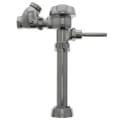
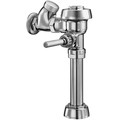
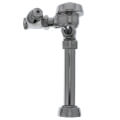
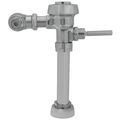
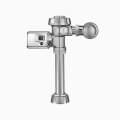
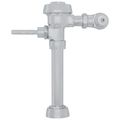
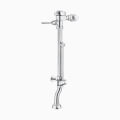
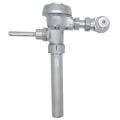
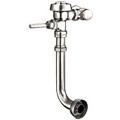
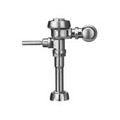
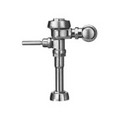
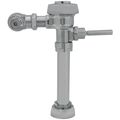
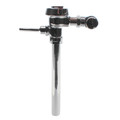
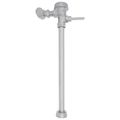
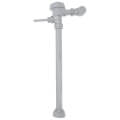
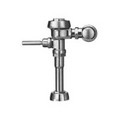
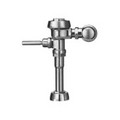
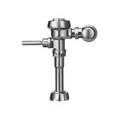
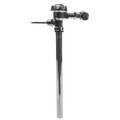
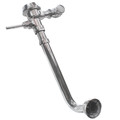
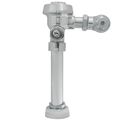
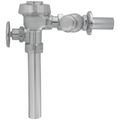
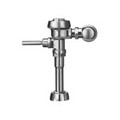
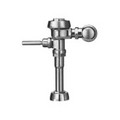
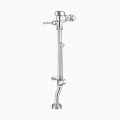
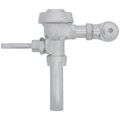
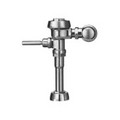
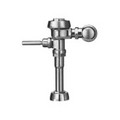
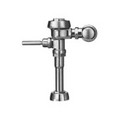
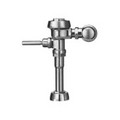
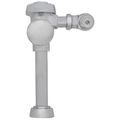
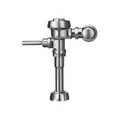
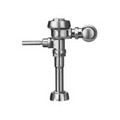
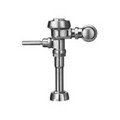
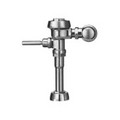
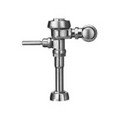
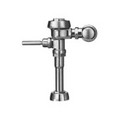
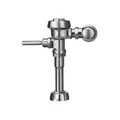
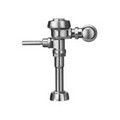


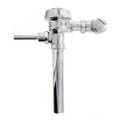
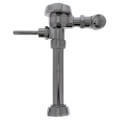
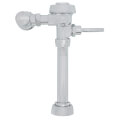
Sloan Royal Exposed Water Closet Flushometers are surface-mounted flush valves built for high-traffic commercial restrooms in schools, offices, and public facilities. The exposed design keeps the valve body, handle, and supply line visible on the wall above the toilet, which simplifies service compared to concealed valves. Sloan builds the Royal 111 line from semi-red brass, a material chosen for its resistance to dezincification in municipal water systems. Flush volumes range from a 1.6 gpf legacy option down to a WaterSense-certified 1.28 gpf model, giving facility managers a way to balance plumbing code requirements with water-conservation goals. A diaphragm mechanism controls the flush cycle, delivering consistent bowl clearance without the pressure spikes some piston-style valves produce. Because the valve mounts on the exterior of the wall, a technician can swap a diaphragm, replace a handle, or clear a blockage without cutting into finished tile or drywall. Facility maintenance teams favor this exposed design for renovation and retrofit jobs, where fast service and minimal wall damage matter as much as flush performance.
Subcategories
- 1.6 GPF Manual Models: Sloan's original Royal 111 flushometers deliver a 1.6 gallon-per-flush volume, the flush rate most municipal codes required before low-consumption fixtures became standard. Facility managers replacing an existing exposed valve often match this volume to keep the rest of the fixture and rough-in unchanged. The valve uses the same semi-red brass body and diaphragm mechanism as the rest of the Royal line. Plumbers stock these models for repair calls on older school and office buildings that have not been upgraded to high-efficiency fixtures.
- 1.28 GPF WaterSense Models: The Royal 111-1.28 model is Sloan's WaterSense-certified exposed flushometer, cutting flush volume to 1.28 gallons while still clearing a standard commercial bowl. Specifiers choose this model on new construction and retrofit projects that need to meet water-conservation codes or earn green building credits. The valve shares the same semi-red brass construction and diaphragm design as the 1.6 gpf version, so maintenance procedures carry over. Property managers pursuing utility rebates or green building points often standardize on this flush volume across a building.
- Royal ESS Sensor-Operated Models: Royal ESS flushometers add an electronic sensor to the exposed valve body, triggering a flush automatically once a user steps away from the fixture. Building owners specify sensor models in restrooms where hands-free operation reduces surface contact, such as airports, hospitals, and other high-traffic public facilities. The sensor and solenoid mount inside the same exposed housing used on manual Royal valves, so the footprint on the wall stays similar. Facilities teams still need battery or hardwired power at the valve location, which is a planning factor manual models do not require.
- Top Spud Connection Models: Top spud Royal flushometers connect to a water closet through a fitting on the top of the fixture's flush valve opening, the standard connection style for floor-mounted commercial toilets. Plumbers select a top spud model when replacing a valve on a fixture that already has a top-inlet flush valve, since the connection has to match the existing bowl. The valve uses a 1-1/2 inch spud coupling and flange to seal against the fixture. Top spud connections remain common across schools, offices, and other buildings using standard floor-mounted commercial toilets.
Buying Guide
Choosing the right flush valve starts with matching flush volume to the fixture and the plumbing code governing the project. Older buildings with a 1.6 gallon-per-flush water closet typically need a matching 1.6 gpf valve unless the whole fixture is being replaced at the same time. New construction and most retrofits now call for a 1.28 gpf WaterSense-certified model, which meets current water-conservation codes and qualifies for many utility rebate programs. Spud connection type is the next check: top spud fittings suit floor-mounted fixtures with a top-inlet flush valve opening, and confirming this detail against the existing bowl or specification sheet prevents a mismatched return trip. Sloan Royal Exposed Water Closet Flushometers come in manual and sensor-operated Royal ESS configurations, so restroom traffic and hygiene priorities matter too. High-traffic public facilities such as airports, stadiums, and hospitals often specify sensor models to cut down on surface contact, while schools and offices frequently stick with manual handles for simpler service. Because the valve body sits on the exterior of the wall, rough-in dimensions and supply line placement need to line up with the existing installation on replacement jobs. Contractors handling a full renovation have more flexibility and can select flush volume and control type based on code requirements and owner preference rather than matching what's already in the wall. Matching finish and construction material against the existing fixture rounds out the spec before ordering.
Frequently Asked Questions
What's the difference between an exposed and a concealed flushometer?
Exposed flushometers mount on the surface of the wall with the valve body, handle, and supply line visible above the toilet, while concealed valves hide the piping inside the wall behind an access cover. Sloan Royal Exposed Water Closet Flushometers favor faster service, since a technician can reach the diaphragm or handle without opening drywall. Concealed valves offer a cleaner look but usually cost more in labor when repairs are needed.
What flush volumes are available in the Sloan Royal exposed line?
Sloan Royal exposed flushometers are available in a 1.6 gallon-per-flush legacy option and a 1.28 gallon-per-flush WaterSense-certified model. Older buildings and repair jobs often match the existing 1.6 gpf volume, while new construction and most retrofits use the 1.28 gpf model to meet current water-conservation codes. Both volumes use the same semi-red brass valve body and diaphragm mechanism.
Can a manual Royal flushometer be upgraded to a sensor-operated model?
Sensor-operated Royal ESS valves use a different internal solenoid and sensor assembly than manual Royal 111 valves, so a straight swap of internal parts isn't possible between the two. Upgrading from manual to sensor operation typically means installing a complete Royal ESS valve body rather than retrofitting the existing manual unit. Facilities teams planning this kind of upgrade should also confirm power access at the valve location before ordering.
What does semi-red brass construction mean for a flushometer?
Semi-red brass is a high-copper, low-zinc alloy that resists dezincification, a corrosion process that can weaken brass fittings in municipal water systems over time. Sloan builds the Royal exposed flushometer body from this material to extend service life in commercial restrooms with heavy daily use. Choosing a valve built from this alloy reduces the chance of premature valve body failure compared to standard brass.
What size spud connection do Royal exposed flushometers use?
Royal exposed flushometers use a 1-1/2 inch top spud coupling and flange to connect to the flush valve opening on a floor-mounted water closet. Matching spud size and connection style to the existing fixture prevents leaks and makes for a straightforward valve swap. Confirming this measurement against the fixture's specification sheet before ordering avoids a mismatched return trip.
