




T&B

 --%3E %3Csvg version='1.1' id='No-RB' xmlns='http://www.w3.org/2000/svg' xmlns:xlink='http://www.w3.org/1999/xlink' x='0px' y='0px' viewBox='0 0 100 100' enable-background='new 0 0 100 100' xml:space='preserve'%3E %3Cpath fill='%23CECECE' d='M79.44,0.95H20.56C9.78,0.95,0.95,9.78,0.95,20.56v58.87c0,10.79,8.82,19.61,19.61,19.61h58.87 c10.79,0,19.61-8.83,19.61-19.61V20.56C99.05,9.78,90.22,0.95,79.44,0.95z M65.38,58.24l9.38,29.58L49.69,69.78L24.5,87.82 l9.34-29.6L8.8,39.6l30.73-0.17c0,0,6.98-19.61,10-28.93c0.54,1.36,9.88,29.1,9.88,29.1H91.2L65.38,58.24z'/%3E %3C/svg%3E)

 --%3E %3Csvg version='1.1' id='Fill' xmlns='http://www.w3.org/2000/svg' xmlns:xlink='http://www.w3.org/1999/xlink' x='0px' y='0px' viewBox='0 0 100 100' enable-background='new 0 0 100 100' xml:space='preserve'%3E %3Cpath fill='%23F15C02' d='M79.44,0.95H20.56C9.78,0.95,0.95,9.78,0.95,20.56v58.87c0,10.79,8.82,19.61,19.61,19.61h58.87 c10.79,0,19.61-8.83,19.61-19.61V20.56C99.05,9.78,90.22,0.95,79.44,0.95z M65.38,58.24l9.38,29.58L49.69,69.78L24.5,87.82 l9.34-29.6L8.8,39.6l30.73-0.17c0,0,6.98-19.61,10-28.93c0.54,1.36,9.88,29.1,9.88,29.1H91.2L65.38,58.24z'/%3E %3C/svg%3E)
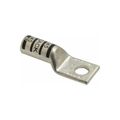
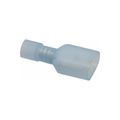
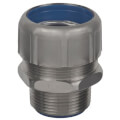

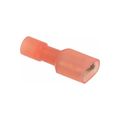

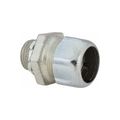
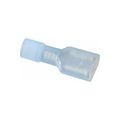
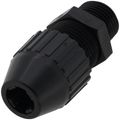
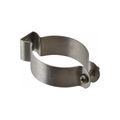
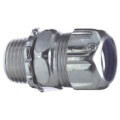
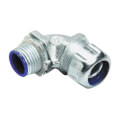
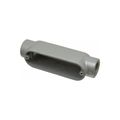
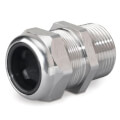
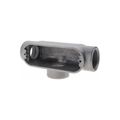
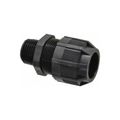
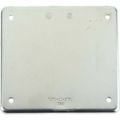

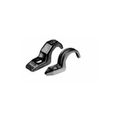
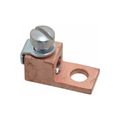

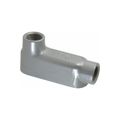
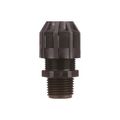
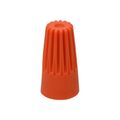

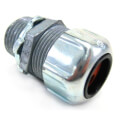
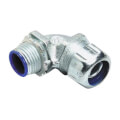
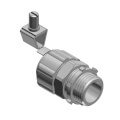
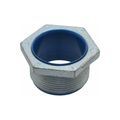
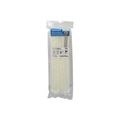

T&B is a manufacturer of electrical conduit fittings, liquidtight connectors, and wire management products for commercial, industrial, and residential electrical installations. The Thomas & Betts Company was founded in 1898 by Robert M. Thomas and Hobart D. Betts, Princeton University classmates who began supplying rigid conduit to New York electrical distributors in the early days of the electrical industry. In 1953, Thomas & Betts introduced the world's first flexible liquidtight high-performance conduit connectors, a product that became the standard for submarine electrical specifications and established T&B as the industry benchmark for liquidtight fitting design. In 1958, Thomas & Betts engineering developed the Ty-Rap cable tie, the first self-locking nylon cable tie, which became a global standard for wire harnessing. T&B now operates as ABB Installation Products Ltd., but the T&B brand designation continues to represent the electrical fittings, conduit connectors, and liquidtight products that electrical and HVAC contractors have specified by brand for over a century.
Product Lines
Liquidtight Flexible Metallic Conduit
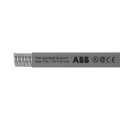
T&B Liquidtight Flexible Metallic Conduit is a flexible armor-over-core conduit designed for connections between rigid conduit runs and motor or equipment terminations in wet, oily, or vibration-heavy environments. T&B LFMC is available in a range of trade sizes from 3/8 inch through 4 inch, in both standard general-purpose and sunlight-resistant jacket configurations. The metallic armor provides mechanical protection from crushing and abrasion while the liquidtight jacket prevents moisture and oil infiltration at motor connections, HVAC equipment terminations, and outdoor equipment installations. Electrical contractors and HVAC service technicians use T&B LFMC as the standard flexible conduit for equipment connections where rigid conduit cannot accommodate movement or vibration.
Liquidtight Conduit Fittings
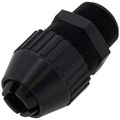
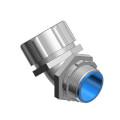
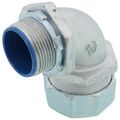
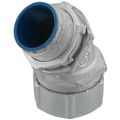
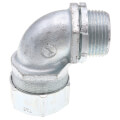
T&B liquidtight conduit fittings are the connectors and adapters used to terminate liquidtight flexible metallic and non-metallic conduit at electrical boxes, equipment enclosures, and motor terminals. T&B introduced the original liquidtight conduit connector in 1953, establishing the fitting geometry and thread standards that the industry has followed since. T&B liquidtight fittings are available in straight, 45-degree, and 90-degree configurations, in both metallic and non-metallic body styles, to accommodate the termination angle required by the installation. HVAC contractors specifying T&B liquidtight fittings for equipment connections can use straight fittings for accessible terminations and angled configurations where conduit must route around equipment enclosure geometry.
Erickson Couplings and Rigid Conduit Fittings
T&B Erickson couplings and rigid conduit fittings serve the connection and transition points in electrical metallic tubing and rigid metal conduit installations in commercial and industrial facilities. Erickson couplings are set-screw or compression-type couplings for joining sections of EMT where standard couplings would require conduit rotation. T&B rigid conduit fittings include Chase nipples, conduit bodies, and pull boxes in standard industry configurations. Electrical contractors installing branch circuit conduit runs in commercial buildings rely on T&B rigid fittings for the transition and junction points that connect panel-fed conduit runs to equipment terminations.
Ty-Rap Cable Ties
T&B Ty-Rap cable ties are self-locking nylon cable management devices designed for bundling, securing, and routing wire harnesses and cable runs in electrical and mechanical enclosures. Thomas & Betts developed the Ty-Rap in 1958 as the first self-locking nylon cable tie, originally engineered for aircraft wire harnessing applications. Ty-Rap ties are available in multiple tensile strength ratings, lengths, and temperature ratings to match the cable bundle diameter, weight, and environmental exposure of the installation. HVAC technicians and electrical contractors use Ty-Rap ties for wire management inside air handlers, control panels, and equipment enclosures where secure, organized wiring is required by code and good practice.
Why Contractors Specify T&B
T&B liquidtight conduit products pioneered the flexible metallic conduit fitting standard in 1953, and the fitting geometry T&B introduced became the industry baseline that subsequent manufacturers follow. The T&B brand designation represents over 125 years of product history in electrical fittings, from the company's 1898 founding through decades of innovations including the first liquidtight connector and the Ty-Rap cable tie. T&B fittings are UL Listed and meet the applicable NEMA standards for electrical conduit fittings used in wet, damp, and dry locations across commercial and residential installations. HVAC contractors and electricians who have specified T&B by brand for decades cite consistent dimensional standards and reliable waterproof performance at motor and equipment terminations in outdoor and wet-rated applications.
How to Choose a T&B Product
The most important decision variable when selecting a T&B conduit product is the environmental rating and conduit type required by the installation: wet location, damp location, outdoor, or dry indoor determines whether liquidtight metallic, liquidtight non-metallic, or rigid EMT fittings are the appropriate specification.
For HVAC equipment connections in outdoor, wet, or vibration-prone environments, T&B liquidtight flexible metallic conduit and liquidtight fittings are the standard specification. LFMC is rated for wet locations and provides both moisture protection and mechanical flexibility at the equipment connection point. The fitting angle, whether straight, 45-degree, or 90-degree, should match the conduit routing from the rigid conduit stub-out to the equipment knockout.
What size T&B liquidtight conduit is right for the application? Trade size selection follows the conduit fill rules from the NEC: the conductors being run determine the minimum conduit trade size. T&B LFMC is available in trade sizes from 3/8 inch through 4 inch, covering the range from single-circuit equipment connections through large motor terminations.
For wire management inside equipment enclosures and air handlers, T&B Ty-Rap cable ties are specified by tensile strength rating and length. The correct tensile strength depends on the weight and quantity of conductors being bundled, and length should provide a 1/4-inch tail after locking for secure retention. T&B Ty-Rap ties in heat-stabilized nylon grades are appropriate for wire bundles near heat sources in HVAC equipment, where standard grades may degrade over time.
FAQs
Where are T&B electrical fittings manufactured?
T&B products are manufactured by ABB Installation Products Ltd., which acquired Thomas & Betts in 2012. Thomas & Betts was founded in 1898 and manufactured in the United States for over a century before the ABB acquisition.
What warranty does T&B offer on its conduit fittings?
T&B warranty terms are available through ABB Installation Products and authorized T&B distributors. Contractors should request current warranty documentation for the specific T&B product line being specified.
What is the difference between T&B liquidtight flexible metallic conduit and rigid conduit?
The difference between T&B liquidtight flexible metallic conduit and rigid conduit is flexibility and application. Liquidtight flexible metallic conduit is used at equipment connection points where the conduit must accommodate vibration, movement, or alignment variations between the rigid conduit run and the equipment knockout. Rigid conduit provides structural protection for conductors in fixed runs between panels, junction boxes, and equipment, but cannot flex and would be damaged by motor vibration or thermal movement at connection points.
What size T&B liquidtight conduit fitting is right for an HVAC equipment connection?
The right T&B liquidtight fitting size for an HVAC equipment connection depends on the trade size of the liquidtight flexible metallic conduit being terminated and the knockout size at the equipment enclosure. Both the conduit trade size and the knockout size must be matched for a proper liquidtight termination. T&B fitting trade sizes range from 3/8 inch through 4 inch to cover the full range of HVAC and electrical equipment connection requirements.
Are T&B liquidtight fittings compatible with both metallic and non-metallic liquidtight conduit?
T&B offers separate fitting lines for liquidtight flexible metallic conduit and liquidtight flexible non-metallic conduit, as the two conduit types have different outside diameters and construction. Metallic liquidtight fittings are not interchangeable with non-metallic liquidtight fittings of the same trade size. Contractors should confirm the conduit type before selecting the corresponding T&B fitting.
What is the Ty-Rap cable tie and what is it used for in HVAC applications?
The Ty-Rap cable tie is T&B's self-locking nylon cable management device, first developed by Thomas & Betts in 1958 for aircraft wire harnessing. In HVAC applications, Ty-Rap ties are used to bundle and secure conductors inside air handlers, control panels, and equipment enclosures, keeping wiring organized and away from moving parts, heat sources, and sharp edges. Ty-Rap ties are available in heat-stabilized grades rated for elevated temperature environments.
