



Filters
SORT
Product Availability –
Category –
Used With –
Review Score –
 --%3E %3Csvg version='1.1' id='Fill' xmlns='http://www.w3.org/2000/svg' xmlns:xlink='http://www.w3.org/1999/xlink' x='0px' y='0px' viewBox='0 0 100 100' enable-background='new 0 0 100 100' xml:space='preserve'%3E %3Cpath fill='%23F15C02' d='M79.44,0.95H20.56C9.78,0.95,0.95,9.78,0.95,20.56v58.87c0,10.79,8.82,19.61,19.61,19.61h58.87 c10.79,0,19.61-8.83,19.61-19.61V20.56C99.05,9.78,90.22,0.95,79.44,0.95z M65.38,58.24l9.38,29.58L49.69,69.78L24.5,87.82 l9.34-29.6L8.8,39.6l30.73-0.17c0,0,6.98-19.61,10-28.93c0.54,1.36,9.88,29.1,9.88,29.1H91.2L65.38,58.24z'/%3E %3C/svg%3E)
 --%3E %3Csvg version='1.1' id='With-RB' xmlns='http://www.w3.org/2000/svg' xmlns:xlink='http://www.w3.org/1999/xlink' x='0px' y='0px' viewBox='0 0 100 100' enable-background='new 0 0 100 100' xml:space='preserve'%3E %3Cpath fill='%23FBC8B4' d='M79.44,0.95H20.56C9.78,0.95,0.95,9.78,0.95,20.56v58.87c0,10.79,8.82,19.61,19.61,19.61h58.87 c10.79,0,19.61-8.83,19.61-19.61V20.56C99.05,9.78,90.22,0.95,79.44,0.95z M65.38,58.24l9.38,29.58L49.69,69.78L24.5,87.82 l9.34-29.6L8.8,39.6l30.73-0.17c0,0,6.98-19.61,10-28.93c0.54,1.36,9.88,29.1,9.88,29.1H91.2L65.38,58.24z'/%3E %3C/svg%3E)
Price Range –
Taco Pump Replacement Cartridges & Parts

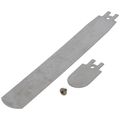
 --%3E %3Csvg version='1.1' id='No-RB' xmlns='http://www.w3.org/2000/svg' xmlns:xlink='http://www.w3.org/1999/xlink' x='0px' y='0px' viewBox='0 0 100 100' enable-background='new 0 0 100 100' xml:space='preserve'%3E %3Cpath fill='%23CECECE' d='M79.44,0.95H20.56C9.78,0.95,0.95,9.78,0.95,20.56v58.87c0,10.79,8.82,19.61,19.61,19.61h58.87 c10.79,0,19.61-8.83,19.61-19.61V20.56C99.05,9.78,90.22,0.95,79.44,0.95z M65.38,58.24l9.38,29.58L49.69,69.78L24.5,87.82 l9.34-29.6L8.8,39.6l30.73-0.17c0,0,6.98-19.61,10-28.93c0.54,1.36,9.88,29.1,9.88,29.1H91.2L65.38,58.24z'/%3E %3C/svg%3E)

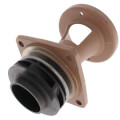
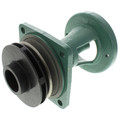

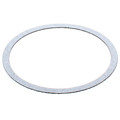



 --%3E %3Csvg version='1.1' id='Half' xmlns='http://www.w3.org/2000/svg' xmlns:xlink='http://www.w3.org/1999/xlink' x='0px' y='0px' viewBox='0 0 100 100' enable-background='new 0 0 100 100' xml:space='preserve'%3E %3Cg%3E %3Cpath fill='%23F15C02' d='M30.05,70.23l3.79-12.01L8.8,39.6l30.73-0.17c0,0,6.98-19.61,10-28.93c0.54,1.36,9.88,29.1,9.88,29.1h1.58 L93.71,7.18c-3.58-3.82-8.66-6.23-14.28-6.23H20.56C9.78,0.95,0.95,9.78,0.95,20.56v58.87c0,5.41,2.22,10.32,5.79,13.88 L30.05,70.23z'/%3E %3C/g%3E %3Cpath fill='%23FBC8B4' d='M93.71,7.18L60.98,39.6H91.2L65.38,58.24l9.38,29.58L49.69,69.78L24.5,87.82l5.55-17.59L6.75,93.32 c3.55,3.54,8.44,5.73,13.82,5.73h58.87c10.79,0,19.61-8.83,19.61-19.61V20.56C99.05,15.4,97.01,10.69,93.71,7.18z'/%3E %3C/svg%3E)
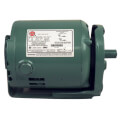

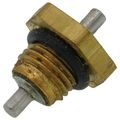

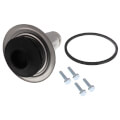
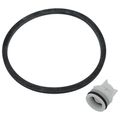

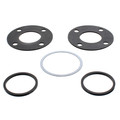
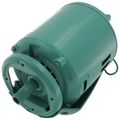
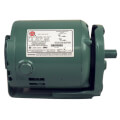
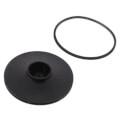
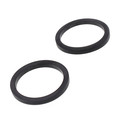
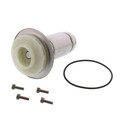
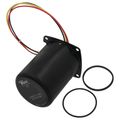
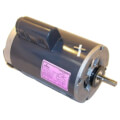
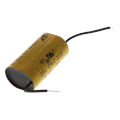
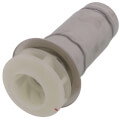

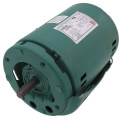
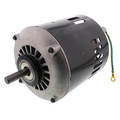
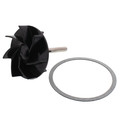
Taco Pump Replacement Cartridges & Parts cover the internal components that keep Taco circulator pumps running without replacing the entire unit. Taco Comfort Solutions has built circulator pumps for hydronic heating systems for more than a century, and its 007 circulator, along with the newer high efficiency 007e model, remains one of the most widely installed circulators in residential and light commercial boiler systems. Replacement cartridges swap out the wet end of these pumps, the section that houses the impeller and bearings, without disturbing the pump's cast iron or bronze body already piped into the system.
Technicians reach for a cartridge kit when a pump loses flow or starts making noise from worn bearings, since the cartridge design lets the wet end come out for service while the volute stays bolted to the piping. Keeping common cartridge sizes on a truck cuts down on return trips when a routine boiler service call turns into a pump repair.
Subcategories
- 007 Series Cartridges: 007 series cartridges fit Taco's original 007 circulator body, the pump most commonly found on residential hydronic heating zones. Swapping the cartridge restores flow on an older 007 without replacing the volute already sweated or threaded into the piping.
- 007e Cartridges and Parts: 007e cartridges and parts service the newer high efficiency circulator, which Taco markets as using up to 85 percent less electricity than the standard 007. Technicians servicing newer installations look for these parts specifically, since the electronically commutated motor inside the 007e differs from the standard model's construction.
- Flanges and Gaskets: Flanges and gaskets seal the connection between a circulator's volute and the piping system, and they wear out or leak well before the pump's internal components typically fail. Keeping a stock of common flange sizes and gasket materials covers most leak calls without waiting on a special order.
- Bearing Assemblies and Seals: Bearing assemblies and seals support the pump's rotating shaft and keep system water from leaking past the motor housing. A pump that has started making grinding noise or shows water at the base often needs one of these components replaced rather than a full cartridge swap.
Buying Guide
Matching a replacement cartridge to the correct pump model starts with the model number stamped on the existing volute or nameplate, since Taco has produced several generations of the 007 body over the years with cartridges that are not always interchangeable across generations. Pulling the old cartridge and checking its markings against the replacement before ordering avoids a part that will not seat correctly.
Circulator pumps that have run for many years often show wear beyond the wet end, so technicians inspect the flange gaskets and shaft seals at the same time as a cartridge swap. Replacing a worn gasket during the same service call prevents a leak from developing shortly after the cartridge repair, which saves a second trip for what would otherwise be a minor part.
Taco Pump Replacement Cartridges & Parts also cover the shift toward electronically commutated motors in newer circulators like the 007e. A technician stocking both standard and high efficiency cartridges can service either generation of pump without carrying two entirely separate parts inventories, since many flange and gasket components carry over between the two designs.
Boiler systems that run seasonally benefit from a pump inspection before each heating season begins, catching a worn bearing or a starting to fail seal before it leads to a no heat call in the middle of winter. A cartridge kept on hand for the most common pump models on a route shortens that seasonal service window considerably.
Frequently Asked Questions
How can a technician identify which cartridge fits a specific Taco circulator?
The model number stamped on the pump's volute or nameplate identifies which cartridge fits, since Taco has produced multiple generations of the 007 body with different internal dimensions. Checking that number against the replacement part before ordering avoids a mismatch.
What is the difference between a 007 cartridge and a 007e cartridge?
A 007 cartridge fits the standard circulator's mechanical design, while a 007e cartridge services the newer high efficiency model built around an electronically commutated motor. Taco markets the 007e as using up to 85 percent less electricity than the standard 007.
When should a circulator cartridge be replaced instead of the whole pump?
A cartridge replacement makes sense when the volute and flanges show no damage and the pump body remains sound, since the cartridge only replaces the wet end containing the impeller and bearings. Extensive corrosion on the pump body itself usually calls for a full pump replacement instead.
Do flange gaskets need replacing every time a cartridge is swapped?
Flange gaskets often wear alongside the cartridge, so replacing both during the same service call reduces the chance of a leak developing shortly after the repair. Inspecting the gasket condition before deciding whether it needs replacement avoids unnecessary part swaps.
What are common signs that a circulator needs cartridge service?
Reduced flow, unusual noise from worn bearings, and visible leaking at the pump base all point toward cartridge service being due. Catching these signs before a full boiler season starts helps avoid a no heat call during the coldest months.
