




Filters
SORT
Product Availability –
Brand –
Review Score –
 --%3E %3Csvg version='1.1' id='Fill' xmlns='http://www.w3.org/2000/svg' xmlns:xlink='http://www.w3.org/1999/xlink' x='0px' y='0px' viewBox='0 0 100 100' enable-background='new 0 0 100 100' xml:space='preserve'%3E %3Cpath fill='%23F15C02' d='M79.44,0.95H20.56C9.78,0.95,0.95,9.78,0.95,20.56v58.87c0,10.79,8.82,19.61,19.61,19.61h58.87 c10.79,0,19.61-8.83,19.61-19.61V20.56C99.05,9.78,90.22,0.95,79.44,0.95z M65.38,58.24l9.38,29.58L49.69,69.78L24.5,87.82 l9.34-29.6L8.8,39.6l30.73-0.17c0,0,6.98-19.61,10-28.93c0.54,1.36,9.88,29.1,9.88,29.1H91.2L65.38,58.24z'/%3E %3C/svg%3E)
 --%3E %3Csvg version='1.1' id='With-RB' xmlns='http://www.w3.org/2000/svg' xmlns:xlink='http://www.w3.org/1999/xlink' x='0px' y='0px' viewBox='0 0 100 100' enable-background='new 0 0 100 100' xml:space='preserve'%3E %3Cpath fill='%23FBC8B4' d='M79.44,0.95H20.56C9.78,0.95,0.95,9.78,0.95,20.56v58.87c0,10.79,8.82,19.61,19.61,19.61h58.87 c10.79,0,19.61-8.83,19.61-19.61V20.56C99.05,9.78,90.22,0.95,79.44,0.95z M65.38,58.24l9.38,29.58L49.69,69.78L24.5,87.82 l9.34-29.6L8.8,39.6l30.73-0.17c0,0,6.98-19.61,10-28.93c0.54,1.36,9.88,29.1,9.88,29.1H91.2L65.38,58.24z'/%3E %3C/svg%3E)
Price Range –
Toilet and Urinal Tools


 --%3E %3Csvg version='1.1' id='Half' xmlns='http://www.w3.org/2000/svg' xmlns:xlink='http://www.w3.org/1999/xlink' x='0px' y='0px' viewBox='0 0 100 100' enable-background='new 0 0 100 100' xml:space='preserve'%3E %3Cg%3E %3Cpath fill='%23F15C02' d='M30.05,70.23l3.79-12.01L8.8,39.6l30.73-0.17c0,0,6.98-19.61,10-28.93c0.54,1.36,9.88,29.1,9.88,29.1h1.58 L93.71,7.18c-3.58-3.82-8.66-6.23-14.28-6.23H20.56C9.78,0.95,0.95,9.78,0.95,20.56v58.87c0,5.41,2.22,10.32,5.79,13.88 L30.05,70.23z'/%3E %3C/g%3E %3Cpath fill='%23FBC8B4' d='M93.71,7.18L60.98,39.6H91.2L65.38,58.24l9.38,29.58L49.69,69.78L24.5,87.82l5.55-17.59L6.75,93.32 c3.55,3.54,8.44,5.73,13.82,5.73h58.87c10.79,0,19.61-8.83,19.61-19.61V20.56C99.05,15.4,97.01,10.69,93.71,7.18z'/%3E %3C/svg%3E)





 --%3E %3Csvg version='1.1' id='No-RB' xmlns='http://www.w3.org/2000/svg' xmlns:xlink='http://www.w3.org/1999/xlink' x='0px' y='0px' viewBox='0 0 100 100' enable-background='new 0 0 100 100' xml:space='preserve'%3E %3Cpath fill='%23CECECE' d='M79.44,0.95H20.56C9.78,0.95,0.95,9.78,0.95,20.56v58.87c0,10.79,8.82,19.61,19.61,19.61h58.87 c10.79,0,19.61-8.83,19.61-19.61V20.56C99.05,9.78,90.22,0.95,79.44,0.95z M65.38,58.24l9.38,29.58L49.69,69.78L24.5,87.82 l9.34-29.6L8.8,39.6l30.73-0.17c0,0,6.98-19.61,10-28.93c0.54,1.36,9.88,29.1,9.88,29.1H91.2L65.38,58.24z'/%3E %3C/svg%3E)


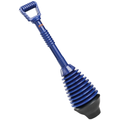


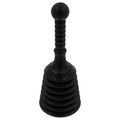

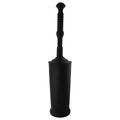


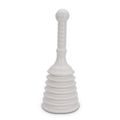




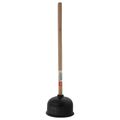
Toilet and Urinal Tools are the specialized wrenches, augers, and service tools plumbers use to install, repair, and clear blockages in toilets and urinals. Fixture bolts, tank connections, and flush valve components are often positioned in tight spaces that a standard wrench can't reach, so plumbers rely on tools built specifically for those fixtures rather than general-purpose hand tools. A closet auger, for example, is shaped to navigate a toilet's trap without scratching the bowl's finish, which a standard drain snake can't do safely. Urinal service work has its own set of tools tied to flush valve maintenance and drain clearing, since urinal drain lines and trap configurations differ from a toilet's. Plumbers doing routine service calls typically carry a core set of these tools rather than assembling the right combination job by job.
Subcategories
- Closet Augers: A closet auger is a hand-cranked tool shaped specifically to navigate a toilet's internal trap without scratching the porcelain bowl finish. Plumbers use it to clear blockages that a plunger can't move, working the auger's coiled cable through the trap until it reaches and breaks up the obstruction. The protective sleeve on the auger's shaft is what keeps it from marking the bowl during use. It's typically the first tool a plumber reaches for after a plunger fails to clear a toilet.
- Toilet Bolt and Nut Wrenches: Toilet bolt and nut wrenches are shaped to reach closet bolts and nuts in the tight space between the toilet base and the floor, where a standard wrench often can't get a proper grip. Plumbers use them during toilet installation and removal, particularly when old bolts are corroded and need extra leverage without damaging the porcelain base. A properly seated wrench reduces the risk of stripping a corroded nut, which would otherwise turn a simple bolt replacement into a longer repair. They're a standard part of a plumber's toilet installation kit.
- Urinal Service Tools: Urinal service tools cover flush valve maintenance and drain clearing specific to urinal fixtures, which have different trap and drain configurations than a toilet. Plumbers use these when servicing commercial restroom urinals, where flush valve diaphragms and drain lines need periodic maintenance to prevent clogs and leaks. Commercial facility maintenance often calls for these tools more frequently than residential plumbing work, since urinals see higher use volume in public restrooms. Keeping urinal-specific tools separate from toilet tools helps avoid using an improperly sized tool on the wrong fixture type.
- Wax Ring and Seal Installation Tools: Wax ring and seal installation tools help a plumber seat a new wax ring evenly and align the toilet properly onto the closet flange during reinstallation. Uneven wax ring seating is a common cause of a toilet that rocks or leaks at the base after reinstallation. Plumbers use alignment and seating tools to reduce the guesswork involved in setting the toilet down squarely on the first attempt. It matters most on tile or uneven subfloor installations where the toilet base doesn't sit flush without some adjustment.
Buying Guide
Building out a core tool set for toilet and urinal service starts with the items plumbers reach for on most calls: a closet auger for clearing blockages beyond what a plunger can handle, and a set of bolt and nut wrenches for reaching closet bolts in the tight space beneath a toilet base. Plumbers doing mostly residential work can generally cover the majority of calls with those two tool categories, while contractors also servicing commercial restrooms should add urinal-specific flush valve and drain tools, since urinal trap and drain configurations differ enough from a toilet's that toilet-specific tools don't always transfer over. Wax ring and seal installation tools are worth adding for any plumber doing regular toilet reinstallation work, since an unevenly seated wax ring is one of the more common causes of a toilet that rocks or leaks after being reset, and a callback for that kind of issue costs more time than getting the seating right the first time. Material and build quality matter more on tools that see frequent flexing or torque, such as bolt wrenches used on heavily corroded fasteners, where a poorly made tool can slip or bend under load. Plumbers who handle a high volume of Toilet and Urinal Tools service calls benefit from keeping a dedicated, complete set on the truck rather than assembling the right combination for each individual job as it comes up.
Frequently Asked Questions
What's the difference between a closet auger and a standard drain snake?
A closet auger has a protective sleeve and a shape designed specifically to navigate a toilet's trap without scratching the bowl's porcelain finish. A standard drain snake isn't built for that and can damage the bowl.
Why do toilet bolts need a special wrench?
Closet bolts sit in a tight space between the toilet base and the floor where a standard wrench often can't get a proper grip, especially on corroded bolts that need extra leverage without damaging the porcelain.
Are urinal service tools different from toilet tools?
Yes, urinals have different trap and drain configurations along with flush valve components that toilets don't have, so dedicated urinal tools are built around those differences.
What causes a toilet to rock or leak after being reinstalled?
An unevenly seated wax ring during reinstallation is one of the most common causes. Using proper alignment and seating tools during the reset reduces that risk.
Do I need a full toilet and urinal tool set for occasional service work?
Plumbers doing mostly residential toilet work can often get by with a closet auger and bolt wrenches, while those also servicing commercial restrooms benefit from adding urinal-specific tools as well.
