



'/%3E%3C/svg%3E)
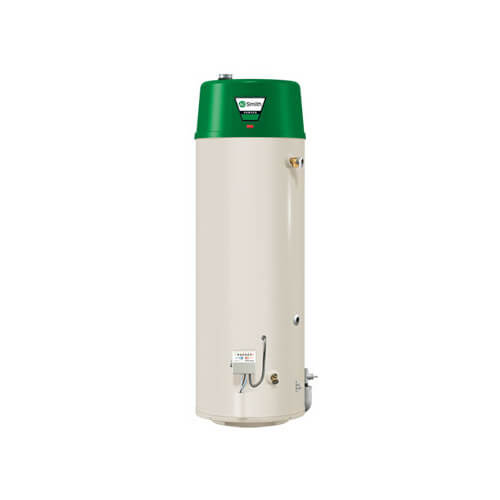
50 Gallon GPHE-50 76,000 BTU Vertex Power-Vent Residential Gas Water Heater - Tall (NG)
 --%3E %3Csvg version='1.1' id='Fill' xmlns='http://www.w3.org/2000/svg' xmlns:xlink='http://www.w3.org/1999/xlink' x='0px' y='0px' viewBox='0 0 100 100' enable-background='new 0 0 100 100' xml:space='preserve'%3E %3Cpath fill='%23F15C02' d='M79.44,0.95H20.56C9.78,0.95,0.95,9.78,0.95,20.56v58.87c0,10.79,8.82,19.61,19.61,19.61h58.87 c10.79,0,19.61-8.83,19.61-19.61V20.56C99.05,9.78,90.22,0.95,79.44,0.95z M65.38,58.24l9.38,29.58L49.69,69.78L24.5,87.82 l9.34-29.6L8.8,39.6l30.73-0.17c0,0,6.98-19.61,10-28.93c0.54,1.36,9.88,29.1,9.88,29.1H91.2L65.38,58.24z'/%3E %3C/svg%3E)
 --%3E %3Csvg version='1.1' id='Half' xmlns='http://www.w3.org/2000/svg' xmlns:xlink='http://www.w3.org/1999/xlink' x='0px' y='0px' viewBox='0 0 100 100' enable-background='new 0 0 100 100' xml:space='preserve'%3E %3Cg%3E %3Cpath fill='%23F15C02' d='M30.05,70.23l3.79-12.01L8.8,39.6l30.73-0.17c0,0,6.98-19.61,10-28.93c0.54,1.36,9.88,29.1,9.88,29.1h1.58 L93.71,7.18c-3.58-3.82-8.66-6.23-14.28-6.23H20.56C9.78,0.95,0.95,9.78,0.95,20.56v58.87c0,5.41,2.22,10.32,5.79,13.88 L30.05,70.23z'/%3E %3C/g%3E %3Cpath fill='%23FBC8B4' d='M93.71,7.18L60.98,39.6H91.2L65.38,58.24l9.38,29.58L49.69,69.78L24.5,87.82l5.55-17.59L6.75,93.32 c3.55,3.54,8.44,5.73,13.82,5.73h58.87c10.79,0,19.61-8.83,19.61-19.61V20.56C99.05,15.4,97.01,10.69,93.71,7.18z'/%3E %3C/svg%3E)

MANUALS (5)
Lift Gate
Product Highlights


Description
Product Details
- Delivers 124-gallon first hour rating
- 76,000 BTU input power vent design delivers up to 0.88 Uniform Energy Factor
- Advanced high efficiency condensing design delivers energy savings & continuous hot water at a constant flow of over 3 gallons per minute
- Helical coil internal heat exchanger lengthens heat transfer cycle and reduces lime & scale build-up to maintain high efficiency operation
- Power vent design installs with 2", 3" or 4" PVC, CPVC or polypropylene pipe terminating through outside wall
- Patented eco-friendly Green Choice Gas Burner design reduces NOx emissions by up to 33% and complies with Low-NOx emission requirements
- Patented Blue Diamond glass tank lining protects against corrosion
- DynaClean automatic cleaning system protects against sediment build-up
- 6-year limited tank and parts warranty
- The ProLine Vertex 50-Gallon Low NOx Power Vent Natural Gas Water Heater is designed specifically to generate a constant flow of 4 gallons per minute, resulting in continuous hot water for your home. Featuring a 50-gallon (nominal) tank and a 76,000 BTU gas burner, the GPHE-50 Power Vent delivers a thermal efficiency of 94%, a Uniform Energy Factor of 0.88, and a recovery rate of 95 gallons per hour. It carries a 6-year limited warranty, and meets Low NOx emission requirements. Environmentally-friendly insulation and factory-installed heat trap nipples reduce heat loss for maximum energy savings. This ProLine XE water heater is designed with A. O. Smith's superior commercial-grade tank protection. Advanced tank features include stainless steel CoreGard anode rod, Blue Diamond glass lining and DynaClean automatic sediment-cleaning system, all designed to help protect the tank from the corrosive effects of water and extend the life of the water heater. A. O. Smith's ProLine water heaters are residential products built to commercial-grade standards and are only available for purchase through professional wholesalers and contractors.
Specs
| Intended Household: | 3-4 Person |
|---|---|
| Application: | Plumbing |
| Fuel Type: | Natural Gas |
| Capacity (Gallons): | 48 |
| BTU Input: | 76000 |
| Efficiency: | 90% |
| Vent Type: | Power Vent PVC |
| Vent Size: | 2" |
| Water Connection: | 3/4" |
| ASME: | No |
| Energy Star Rated: | No |
| 1st Hour Delivery (Gallons): | 127 |
| Recovery 90°F Rise: | 92 GPH |
| Voltage: | 120v |
| Max Pressure (PSI): | 150 |
| Max Altitude (Feet): | 5300 |
| Depth (Inches): | 27" |
| Diameter (Inches): | 22" |
| Height (Inches): | 70.625" |
| Weight (lbs): | 210 lbs |
| Warranty: | 6 Year Tank/6 Year Parts Limited |


Questions?
You May Also Need
Product Reviews
Most Liked Positive Review
Complicated Retrofit - Great Product
Most Liked Negative Review
 --%3E %3Csvg version='1.1' id='With-RB' xmlns='http://www.w3.org/2000/svg' xmlns:xlink='http://www.w3.org/1999/xlink' x='0px' y='0px' viewBox='0 0 100 100' enable-background='new 0 0 100 100' xml:space='preserve'%3E %3Cpath fill='%23FBC8B4' d='M79.44,0.95H20.56C9.78,0.95,0.95,9.78,0.95,20.56v58.87c0,10.79,8.82,19.61,19.61,19.61h58.87 c10.79,0,19.61-8.83,19.61-19.61V20.56C99.05,9.78,90.22,0.95,79.44,0.95z M65.38,58.24l9.38,29.58L49.69,69.78L24.5,87.82 l9.34-29.6L8.8,39.6l30.73-0.17c0,0,6.98-19.61,10-28.93c0.54,1.36,9.88,29.1,9.88,29.1H91.2L65.38,58.24z'/%3E %3C/svg%3E)
Unit making popping noises
Water Heater shipment
AO Smith Vertex
Best residential water heater on the market of any type IMO
I would buy this item again
great water heater
Complicated Retrofit - Great Product
Not impressed
Great Heater, plenty of hot water
Extremely Efficient
Popping and Clanking
Product Q&A
34 QuestionsQ: Local rebates require an EF rating or Energy Factor, rather than thermal efficiency. Can you tell me the EF for the Vertex water heaters (both the 90 and 96 % units). I didn't see it on the spec sheet.
Asked by Mark 15 years ago
Add your answer
Verified Reply- PexSupply StaffEnergy Factor ratings are not available for tank-style water heaters with BTU inputs greater than 75,000 BTUs.
Q: Why is this model not qualified as Energy Star, when its EF is so much higher than that required to be Energy Star (.9 compared to .67) ?
Asked by 15 years ago
Add your answer
Verified Reply- PexSupply StaffGas water heaters must have a nominal input of 75,000 BTU/hour or less to be eligible for Energy Star classification. This unit has a BTU input of 76,000.
Q: what is the energy factor for the gphe50?
Asked by 15 years ago
Add your answer
Verified Reply- PexSupply StaffEnergy Factor ratings are not available for tank-style water heaters with a BTU input above 75,000.
Q: What is the main difference between the GPHE-50 and GDHE-50 units? Why would I select one over another?
Asked by 15 years ago
Add your answer
Verified Reply- PexSupply StaffGDHE-50 units are direct vented; GPHE-50 units are power vented. GDHE models can produce more hot water.
Q: I have well water with heavier lime concentrations. Will this unit be usable or will the lime affect it negatively?
Asked by 15 years ago
Add your answer
Verified Reply- PexSupply StaffAccording to the manufacturer, the water heater can be used on well water. With heavy lime in the water, you may want to drain and flush the water heater at least once a year. A KA-90 anode rod may also be a good idea.
Q: We live in a large house with 5 bathrooms spreadout & have a hot water return that hooks back into the bottom of our water heater. Can this water heater accomidate a hot water return?
Asked by Mark 15 years ago
Add your answer
Verified Reply- PexSupply StaffYes, it can.
Q: I have 2 questions. I read that this can be used with its side taps for radiant heat systems and space heat systems. We have a water boiler that is on its way out that runs water through radiators (old style, not baseboard heat) in the house for home heat and we have a water heater on its way out. Can we use this unit to replace both systems to heat our domestic water as well as use it with the old home heating system? My other question is currently my boiler and hot water heater both vent into the same metal vent pipe going up the chimney. If we get this water heater can we vent it up the chimney instead of having to cut a hole through the basement wall (its field stone!) to vent out the side of the house?
Asked by New home buyer 15 years ago
Add your answer
Verified Reply- PexSupply StaffThis unit will work as long as 76,000 BTUs is sufficient for your project. We also recommend that you get a heat exchanger so you can keep your domestic and heating water separate. This unit will have to be vented with PVC or stainless steel.
Q: Is it possible to get an extended warranty?
Asked by ABfly17s 15 years ago
Add your answer
Verified Reply- PexSupply StaffUnfortunately there is no warranty extension kit available for this model.
Q: For venting this unit is it OK if the horizontal vent penetration is at a lower elevation than the blower? I have a half-sunken basement and the top of the heater ends up being ~3 feet above ground level. The best vent position (aesthetically) would be to put it the minimum distance above ground level, but that would be ~2 feet below the top of the heater. Thanks!
Asked by Jim 15 years ago
Add your answer
Verified Reply- PexSupply StaffAccording to the manufacturer, there is a rise required in the venting from the blower so the termination cannot be lower than the blower.
Q: does the venting have to be pvc or can it be metal
Asked by 16 years ago
Add your answer
Verified Reply- PexSupply StaffPlease refer to page 17 of the following manual for a list of approved venting materials: http://s3.pexsupply.com/manuals/1277407313778/32772_PROD_FILE.pdf
It can be either. Coming out of the unit, I used PVC and then I hooked it to an existing 3" chimney via a 3" PVC elbow that I sanded down to fit over the end of the metal chimney pipe. Then I used 3" PVC for the bulk of the exhaust pipe, terminating it with a 3" to 2" PVC reducer, then a 2" elbow, and finally that connected to the vertex. You can just run PVC staight out and "cap it" with a 90° elbow.
Both my old power vent heater and this Vertex heater use PVC vents. The unit is so efficient you'll be amazed at how little the PVC warms when the exhaust blower is running as most of the heat (energy) goes into the water, not out the vent.