




Filters
SORT
Product Availability –
Brand –
Size –
Volume –
Review Score –
 --%3E %3Csvg version='1.1' id='Fill' xmlns='http://www.w3.org/2000/svg' xmlns:xlink='http://www.w3.org/1999/xlink' x='0px' y='0px' viewBox='0 0 100 100' enable-background='new 0 0 100 100' xml:space='preserve'%3E %3Cpath fill='%23F15C02' d='M79.44,0.95H20.56C9.78,0.95,0.95,9.78,0.95,20.56v58.87c0,10.79,8.82,19.61,19.61,19.61h58.87 c10.79,0,19.61-8.83,19.61-19.61V20.56C99.05,9.78,90.22,0.95,79.44,0.95z M65.38,58.24l9.38,29.58L49.69,69.78L24.5,87.82 l9.34-29.6L8.8,39.6l30.73-0.17c0,0,6.98-19.61,10-28.93c0.54,1.36,9.88,29.1,9.88,29.1H91.2L65.38,58.24z'/%3E %3C/svg%3E)
 --%3E %3Csvg version='1.1' id='With-RB' xmlns='http://www.w3.org/2000/svg' xmlns:xlink='http://www.w3.org/1999/xlink' x='0px' y='0px' viewBox='0 0 100 100' enable-background='new 0 0 100 100' xml:space='preserve'%3E %3Cpath fill='%23FBC8B4' d='M79.44,0.95H20.56C9.78,0.95,0.95,9.78,0.95,20.56v58.87c0,10.79,8.82,19.61,19.61,19.61h58.87 c10.79,0,19.61-8.83,19.61-19.61V20.56C99.05,9.78,90.22,0.95,79.44,0.95z M65.38,58.24l9.38,29.58L49.69,69.78L24.5,87.82 l9.34-29.6L8.8,39.6l30.73-0.17c0,0,6.98-19.61,10-28.93c0.54,1.36,9.88,29.1,9.88,29.1H91.2L65.38,58.24z'/%3E %3C/svg%3E)
Price Range –
Accessories





 --%3E %3Csvg version='1.1' id='Half' xmlns='http://www.w3.org/2000/svg' xmlns:xlink='http://www.w3.org/1999/xlink' x='0px' y='0px' viewBox='0 0 100 100' enable-background='new 0 0 100 100' xml:space='preserve'%3E %3Cg%3E %3Cpath fill='%23F15C02' d='M30.05,70.23l3.79-12.01L8.8,39.6l30.73-0.17c0,0,6.98-19.61,10-28.93c0.54,1.36,9.88,29.1,9.88,29.1h1.58 L93.71,7.18c-3.58-3.82-8.66-6.23-14.28-6.23H20.56C9.78,0.95,0.95,9.78,0.95,20.56v58.87c0,5.41,2.22,10.32,5.79,13.88 L30.05,70.23z'/%3E %3C/g%3E %3Cpath fill='%23FBC8B4' d='M93.71,7.18L60.98,39.6H91.2L65.38,58.24l9.38,29.58L49.69,69.78L24.5,87.82l5.55-17.59L6.75,93.32 c3.55,3.54,8.44,5.73,13.82,5.73h58.87c10.79,0,19.61-8.83,19.61-19.61V20.56C99.05,15.4,97.01,10.69,93.71,7.18z'/%3E %3C/svg%3E)

 --%3E %3Csvg version='1.1' id='No-RB' xmlns='http://www.w3.org/2000/svg' xmlns:xlink='http://www.w3.org/1999/xlink' x='0px' y='0px' viewBox='0 0 100 100' enable-background='new 0 0 100 100' xml:space='preserve'%3E %3Cpath fill='%23CECECE' d='M79.44,0.95H20.56C9.78,0.95,0.95,9.78,0.95,20.56v58.87c0,10.79,8.82,19.61,19.61,19.61h58.87 c10.79,0,19.61-8.83,19.61-19.61V20.56C99.05,9.78,90.22,0.95,79.44,0.95z M65.38,58.24l9.38,29.58L49.69,69.78L24.5,87.82 l9.34-29.6L8.8,39.6l30.73-0.17c0,0,6.98-19.61,10-28.93c0.54,1.36,9.88,29.1,9.88,29.1H91.2L65.38,58.24z'/%3E %3C/svg%3E)


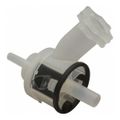
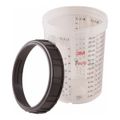
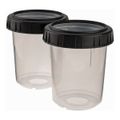
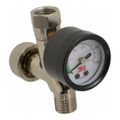
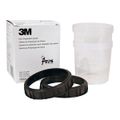
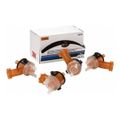
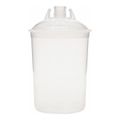
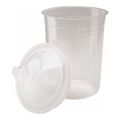
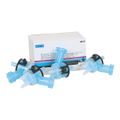
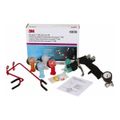

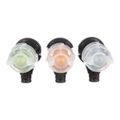
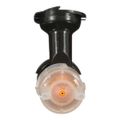
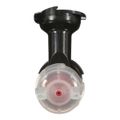
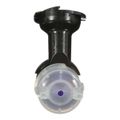
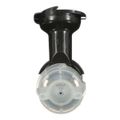
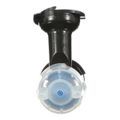
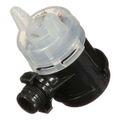
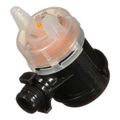
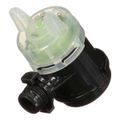
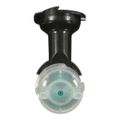

Accessories in this category cover the tools used to apply PVC and CPVC solvent cement and primer, including replacement daubers, applicator brushes, and roller tops that fit standard cement and primer cans. Plumbers and contractors use these accessories to keep solvent-weld joints consistent, since a worn or dried-out dauber applies cement unevenly and can lead to a weak joint. Oatey's adjustable dauber, for example, uses a 6 inch handle that keeps hands away from the solvent while the cap seals tightly into the can to prevent spillage and evaporation between uses. Replacement daubers and brushes let installers swap out a worn applicator without buying an entirely new can of cement or primer. Gallon swap applicators fit onto gallon-sized cement or primer cans for larger jobs where a standard dauber cap will not fit. Keeping fresh applicators on hand matters because dried cement residue on an old dauber can contaminate a new can or leave debris in the joint, weakening the solvent weld.
Subcategories
- Adjustable Daubers: Adjustable daubers use a handle, typically around 6 inches long, that extends reach away from the solvent cement or primer can while applying it to a pipe or fitting. Plumbers use this style for standard pint and quart cement cans during everyday solvent-weld joints. The cap fits tightly into the can opening to seal the contents and prevent spillage or evaporation between uses. A properly sealing dauber cap keeps cement from drying out prematurely, extending the usable life of a partially used can.
- Replacement Daubers and Brushes: Replacement daubers and brushes let installers swap a worn or dried-out applicator without discarding a can of cement or primer that still has usable product left. Plumbers keep spares on hand since daubers wear out or dry stiff with regular use, especially on jobs with heavy solvent-weld volume. Swapping in a fresh applicator keeps the cement layer even across the joint surface. Using a dried or contaminated dauber can leave debris in the joint and weaken the solvent weld.
- Roller Applicator Tops: Roller applicator tops replace a standard dauber cap with a roller mechanism for applying cement or primer to larger pipe diameters more evenly. Contractors working with bigger pipe sizes use this style since a roller spreads product across a wider surface faster than a brush-style dauber. The roller top still fits standard cement and primer can openings. Consistent, even coverage matters most on larger joints, where an uneven cement layer is more likely to leave a gap in the weld.
- Gallon Swap Applicators: Gallon swap applicators fit onto gallon-sized cement or primer cans, which use a different opening size than standard pint and quart cans. Contractors running high-volume solvent-weld work, such as large DWV or irrigation jobs, use gallon cans to avoid constantly swapping out smaller containers. The swap applicator lets a standard dauber or brush attach to the larger can. Matching applicator size to can size keeps the cap sealing properly between uses.
Buying Guide
Start by matching the applicator to the can size already in use on the job, since standard daubers fit pint and quart cans while gallon-sized cement and primer containers need a dedicated swap applicator. Using the wrong size cap will not seal properly, which lets solvent evaporate and dries out the product faster than normal. Next, consider pipe diameter. Standard dauber brushes work fine for typical residential pipe sizes, but larger commercial DWV or irrigation runs benefit from a roller applicator top, which spreads cement more evenly across a wider joint surface and reduces the chance of a thin spot in the weld. Accessories for solvent cement application wear out with regular use, so keeping replacement daubers and brushes on hand prevents a job from stalling when an applicator dries stiff or falls apart mid-shift. Check that the cap seals tightly into the can opening after each use, since a loose-fitting cap is the most common reason a partially used can of cement dries out before the next job. For crews running high volume, gallon cans paired with a swap applicator cut down on how often containers need replacing, though standard dauber cans remain more practical for smaller service calls or repair work. Finally, keep applicators for primer and cement separate, since cross-contaminating the two products can affect how well the primer preps the surface or how the cement cures once applied.
Frequently Asked Questions
What is a dauber used for in PVC cement application?
A dauber is a brush-style applicator with a cap that fits into a solvent cement or primer can, used to spread the product evenly across pipe and fitting surfaces before joining. An adjustable dauber typically has a handle around 6 inches long that keeps hands away from the solvent during application. A tightly sealing cap also keeps the can's contents from evaporating or drying out between uses.
How often should a dauber be replaced?
A dauber should be replaced once the bristles dry stiff, fray, or no longer apply an even coat of cement or primer, since a worn applicator can leave gaps in a solvent-weld joint. Keeping replacement daubers on hand prevents a job from stalling over a worn-out applicator. Using a dried-out dauber can also introduce debris into a fresh can of cement.
What is a roller applicator top used for?
A roller applicator top replaces a standard dauber cap with a roller mechanism, spreading cement or primer more evenly across larger pipe diameters than a brush-style dauber can. Contractors working on bigger commercial pipe sizes use this style for more consistent coverage. The roller top still fits standard cement and primer can openings.
Do gallon cans of PVC cement need a different applicator?
Gallon-sized cement and primer cans use a different opening size than standard pint and quart cans, so a dedicated gallon swap applicator is needed to attach a dauber or brush. Contractors running high-volume solvent-weld work often use gallon cans specifically to reduce how often containers need swapping. Matching applicator size to can size keeps the cap sealing properly between uses.
Why does solvent cement dry out before a can is empty?
Solvent cement dries out prematurely most often because the applicator cap is not sealing tightly against the can opening, letting solvent evaporate between uses. Using the correct dauber or applicator size for the can, and making sure the cap seats fully after each application, keeps the remaining product usable longer. A cracked or worn cap seal is a common culprit worth checking first.
