




Filters
SORT
Product Availability –
Max Flow (GPM) –
Max Head (Ft) –
Review Score –
 --%3E %3Csvg version='1.1' id='Fill' xmlns='http://www.w3.org/2000/svg' xmlns:xlink='http://www.w3.org/1999/xlink' x='0px' y='0px' viewBox='0 0 100 100' enable-background='new 0 0 100 100' xml:space='preserve'%3E %3Cpath fill='%23F15C02' d='M79.44,0.95H20.56C9.78,0.95,0.95,9.78,0.95,20.56v58.87c0,10.79,8.82,19.61,19.61,19.61h58.87 c10.79,0,19.61-8.83,19.61-19.61V20.56C99.05,9.78,90.22,0.95,79.44,0.95z M65.38,58.24l9.38,29.58L49.69,69.78L24.5,87.82 l9.34-29.6L8.8,39.6l30.73-0.17c0,0,6.98-19.61,10-28.93c0.54,1.36,9.88,29.1,9.88,29.1H91.2L65.38,58.24z'/%3E %3C/svg%3E)
Armstrong Hot Water Re-Circulation Pumps

 --%3E %3Csvg version='1.1' id='No-RB' xmlns='http://www.w3.org/2000/svg' xmlns:xlink='http://www.w3.org/1999/xlink' x='0px' y='0px' viewBox='0 0 100 100' enable-background='new 0 0 100 100' xml:space='preserve'%3E %3Cpath fill='%23CECECE' d='M79.44,0.95H20.56C9.78,0.95,0.95,9.78,0.95,20.56v58.87c0,10.79,8.82,19.61,19.61,19.61h58.87 c10.79,0,19.61-8.83,19.61-19.61V20.56C99.05,9.78,90.22,0.95,79.44,0.95z M65.38,58.24l9.38,29.58L49.69,69.78L24.5,87.82 l9.34-29.6L8.8,39.6l30.73-0.17c0,0,6.98-19.61,10-28.93c0.54,1.36,9.88,29.1,9.88,29.1H91.2L65.38,58.24z'/%3E %3C/svg%3E)


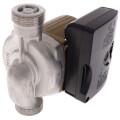




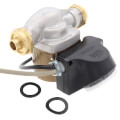
Armstrong Hot Water Re-Circulation Pumps are wet-rotor circulators that move heated water from a water heater to fixtures on demand, cutting the wait for hot water at distant taps. The Astro 2 lineup includes three-speed models such as the Astro-230CI, a cast iron circulator rated for 0 to 20 GPM, and the Astro-230SS, a stainless steel version rated for 0 to 18 GPM. Each unit runs without mechanical seals or couplers, so there's nothing to lubricate or replace during routine service. Plumbers install these pumps in closed hydronic loops, solar thermal systems, and dedicated recirculation lines where steady flow and low upkeep matter more than raw horsepower. Because pump body material and flow rating determine compatibility with existing piping and flange spacing, matching the correct model to the system layout keeps recirculation quiet and reliable for years. For contractors servicing older installations, the Astro 2 series covers cast iron and stainless steel options across several flow ranges, simplifying replacement decisions on the job.
Subcategories
- Cast Iron Circulators: Cast iron circulators like the Astro-230CI suit closed hydronic loops where the water stays treated and oxygen-free. Boiler installers pick this body material for radiant heating and baseboard systems tied into a boiler loop. The Astro-230CI delivers a 0 to 20 GPM flow range across its three speed settings. Cast iron costs less than stainless steel, making it the default choice when the loop stays sealed.
- Stainless Steel Circulators: Stainless steel circulators such as the Astro-230SS handle domestic hot water recirculation, where fresh water constantly cycles through the pump. Plumbers specify stainless steel for open-loop or potable water systems because it resists the corrosion that plain cast iron can't withstand long term. The Astro-230SS runs at 0 to 18 GPM across three speeds. The stainless design typically appears on point-of-use recirculation lines in homes and light commercial buildings.
- High-Flow Circulators with Check Valve: High-flow models like the Astro-290CI step up to a 0 to 52 GPM flow range with a built-in check valve. Contractors sizing recirculation for larger homes, multi-family buildings, or long piping runs turn to this configuration when a standard 18 to 20 GPM pump can't keep up. The integrated check valve stops gravity flow through the pump when it's off, protecting against backflow. Cast iron construction keeps the unit suited for larger closed-loop installations.
- Astro-250 Series Circulators: The Astro-250 series offers the same three-speed, wet-rotor design as the Astro-230 line in both cast iron and stainless steel bodies. The Astro-250CI and Astro-250SS models both handle a 0 to 18 GPM flow range. Plumbers use the 250 series as a direct match when replacing an existing pump of that model family rather than the 230 line. Having both cast iron and stainless steel options in each series lets installers match body material to the loop type without changing pump families.
Buying Guide
Selecting a hot water recirculation pump starts with the loop type. Closed hydronic and solar thermal systems that keep treated water sealed inside the loop work fine with a cast iron body like the Astro-230CI, while domestic hot water lines that see fresh, oxygenated water call for a stainless steel model such as the Astro-230SS. Flow rate comes next: most single-family homes run comfortably on a 0 to 18 or 0 to 20 GPM pump, but larger buildings or long branch lines may need the 0 to 52 GPM Astro-290CI to keep pressure consistent at fixtures furthest from the mechanical room. Armstrong Hot Water Re-Circulation Pumps also span two body families, the Astro-230 and Astro-250 series, both offered in cast iron and stainless steel at similar flow ranges, so matching a replacement to the existing series keeps the flange pattern consistent without extra adapters. A check valve, either built into the pump body like the Astro-230CI-R or installed separately on the return line, prevents gravity flow when the unit shuts off, which matters on any loop where backflow could waste energy. Flange spacing and bolt pattern should also match the existing piping, since Armstrong's standard flange works with many other brands but still needs field verification before ordering. Confirming loop type, flow demand, and series match up front prevents a return trip for the wrong model.
Frequently Asked Questions
What's the difference between cast iron and stainless steel recirculation pumps?
Cast iron models like the Astro-230CI handle closed hydronic loops with treated water, while stainless steel versions such as the Astro-230SS resist corrosion better in domestic hot water and open-loop applications. Flow ratings on both start in a similar range, so body material is the main selection factor. Stainless steel costs more upfront but holds up longer where water chemistry varies.
What flow rate does a typical recirculation loop need?
Most single-family homes run fine on a 0 to 18 GPM pump like the Astro-230SS or a 0 to 20 GPM Astro-230CI. Larger buildings or longer piping runs may call for a higher-flow model such as the Astro-290CI, rated for 0 to 52 GPM. Matching flow to pipe diameter and loop length keeps the system from short-cycling.
Do these pumps need a separate check valve?
Some Armstrong models, like the Astro-230CI-R, ship with an integrated check valve to stop gravity flow when the pump isn't running. Others require a field-installed check valve on the return line. Checking the model number against the job spec avoids backflow issues after installation.
What's the difference between the Astro-230 and Astro-250 series?
Both series share the same three-speed, wet-rotor design and come in cast iron or stainless steel bodies. The Astro-250CI and Astro-250SS both run 0 to 18 GPM, matching the stainless 230 model's flow range. Matching a replacement to the existing series keeps flange spacing consistent without needing an adapter.
What maintenance do these circulators need?
Astro 2 series pumps run without mechanical seals or couplers, so there's no packing to replace or lubrication schedule to follow. Routine service is limited to checking the flange gasket and confirming the impeller spins freely if the pump has sat idle. That zero-maintenance design is a common reason contractors default to this line for recirculation retrofits.
