




Filters
SORT
Product Availability –
Brand –
Application –
Diameter (Inches) –
Drilling Depth –
Review Score –
 --%3E %3Csvg version='1.1' id='Fill' xmlns='http://www.w3.org/2000/svg' xmlns:xlink='http://www.w3.org/1999/xlink' x='0px' y='0px' viewBox='0 0 100 100' enable-background='new 0 0 100 100' xml:space='preserve'%3E %3Cpath fill='%23F15C02' d='M79.44,0.95H20.56C9.78,0.95,0.95,9.78,0.95,20.56v58.87c0,10.79,8.82,19.61,19.61,19.61h58.87 c10.79,0,19.61-8.83,19.61-19.61V20.56C99.05,9.78,90.22,0.95,79.44,0.95z M65.38,58.24l9.38,29.58L49.69,69.78L24.5,87.82 l9.34-29.6L8.8,39.6l30.73-0.17c0,0,6.98-19.61,10-28.93c0.54,1.36,9.88,29.1,9.88,29.1H91.2L65.38,58.24z'/%3E %3C/svg%3E)
 --%3E %3Csvg version='1.1' id='With-RB' xmlns='http://www.w3.org/2000/svg' xmlns:xlink='http://www.w3.org/1999/xlink' x='0px' y='0px' viewBox='0 0 100 100' enable-background='new 0 0 100 100' xml:space='preserve'%3E %3Cpath fill='%23FBC8B4' d='M79.44,0.95H20.56C9.78,0.95,0.95,9.78,0.95,20.56v58.87c0,10.79,8.82,19.61,19.61,19.61h58.87 c10.79,0,19.61-8.83,19.61-19.61V20.56C99.05,9.78,90.22,0.95,79.44,0.95z M65.38,58.24l9.38,29.58L49.69,69.78L24.5,87.82 l9.34-29.6L8.8,39.6l30.73-0.17c0,0,6.98-19.61,10-28.93c0.54,1.36,9.88,29.1,9.88,29.1H91.2L65.38,58.24z'/%3E %3C/svg%3E)
Price Range –
Bi-Metal Hole Saws

 --%3E %3Csvg version='1.1' id='No-RB' xmlns='http://www.w3.org/2000/svg' xmlns:xlink='http://www.w3.org/1999/xlink' x='0px' y='0px' viewBox='0 0 100 100' enable-background='new 0 0 100 100' xml:space='preserve'%3E %3Cpath fill='%23CECECE' d='M79.44,0.95H20.56C9.78,0.95,0.95,9.78,0.95,20.56v58.87c0,10.79,8.82,19.61,19.61,19.61h58.87 c10.79,0,19.61-8.83,19.61-19.61V20.56C99.05,9.78,90.22,0.95,79.44,0.95z M65.38,58.24l9.38,29.58L49.69,69.78L24.5,87.82 l9.34-29.6L8.8,39.6l30.73-0.17c0,0,6.98-19.61,10-28.93c0.54,1.36,9.88,29.1,9.88,29.1H91.2L65.38,58.24z'/%3E %3C/svg%3E)


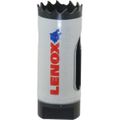
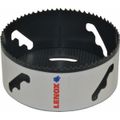


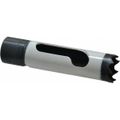
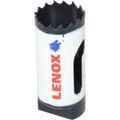
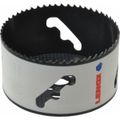





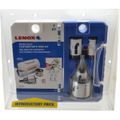


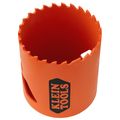

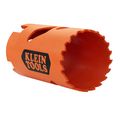
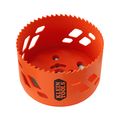
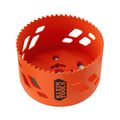
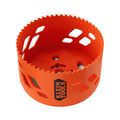
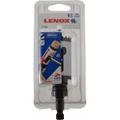
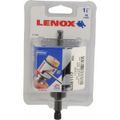
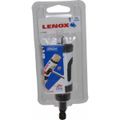
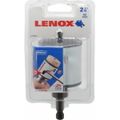
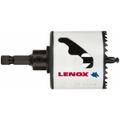
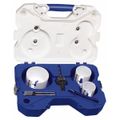
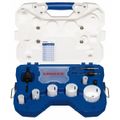
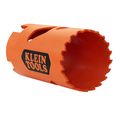
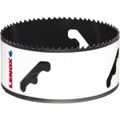
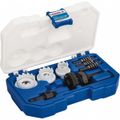
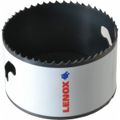
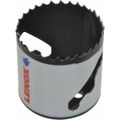


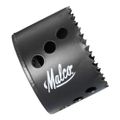
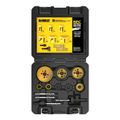
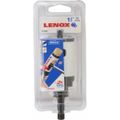

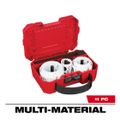
Bi-Metal Hole Saws are cutting tools that combine a high speed steel cutting edge welded to a flexible steel body, giving the blade enough hardness to cut through metal while resisting the breakage that a solid high speed steel saw can suffer under stress. Milwaukee's HOLE DOZER line, for example, uses a 3.5 teeth per inch design built for cutting through metal studs, conduit, and similar material. Plumbers and electricians reach for a bi-metal hole saw when running pipe or cable through wood framing, metal studs, or thin gauge sheet metal, since the same blade can handle multiple material types without needing a separate tool for each. A hole saw mounts to a drill using an arbor, which holds the saw and includes a pilot bit that centers the cut before the teeth engage the material. Choosing the correct tooth count and diameter for the material being cut extends blade life and produces a cleaner hole with less binding during the cut.
Subcategories
- Standard Bi-Metal Hole Saws: Use a general purpose tooth pattern suited to wood, plastic, and thin metal, making them a common choice for electricians and plumbers running holes for cable and small diameter pipe. Milwaukee's HOLE DOZER line, for example, uses a 3.5 teeth per inch design intended for cutting through metal studs and conduit. These saws thread onto an arbor that also holds a pilot bit to center the cut.
- Large Diameter Bi-Metal Hole Saws: Cover the bigger diameter range used for recessed lighting, ductwork penetrations, and larger pipe or conduit runs. Contractors select a larger diameter saw based on the outer diameter of the pipe, conduit, or fixture that needs to pass through the material. Larger saws generally need a slower drill speed to avoid overheating the teeth during the cut.
- Hole Saw Arbors: Are the mounting components that connect a hole saw to a drill chuck, and they typically include a pilot bit that centers the saw before the cutting teeth engage the material. Arbors are available in different thread and shank configurations to match different hole saw brands and sizes. Matching the arbor thread to the hole saw thread is necessary since not all hole saws and arbors share the same connection standard.
- Hole Saw Kits: Bundle multiple diameters of bi-metal hole saws together with a shared arbor, letting a technician cover a range of common hole sizes without purchasing each saw individually. Electricians and plumbers who need several different hole sizes on a single job often carry a kit rather than individual saws. Milwaukee's HOLE DOZER kits, for example, pair a set of bi-metal saws with the same 3.5 teeth per inch tooth design used across the individual saws.
Buying Guide
Match the hole saw diameter to the outer diameter of whatever needs to pass through the cut, whether that is a length of conduit, a pipe fitting, or a recessed light fixture, since a saw that is even slightly undersized will not accept the finished component. Check the tooth count for the material being cut: a lower teeth per inch count, such as the 3.5 TPI used on Milwaukee's HOLE DOZER line, clears chips faster and works well in metal studs and conduit, while a finer tooth count suits thinner sheet metal where chip clearance matters less than a clean edge. Bi-Metal Hole Saws depend on the arbor as much as the saw itself, since the arbor holds the pilot bit that centers the cut and connects the saw to the drill chuck; confirm the arbor's thread pattern matches the hole saw before assuming the two parts are interchangeable. Kits that bundle several diameters onto a shared arbor make sense for technicians who need to cut a range of hole sizes across a single job, while a single dedicated saw and arbor combination suits a technician who repeats the same diameter on most jobs. Drill speed also affects results: larger diameter saws generally need a slower drill speed than smaller ones to prevent the teeth from overheating and dulling prematurely. Replacing a hole saw once the teeth show visible wear keeps cutting time reasonable and reduces strain on the drill motor during repeated use.
Frequently Asked Questions
What makes a bi-metal hole saw different from a carbon steel hole saw?
Bi-metal hole saws weld a high speed steel cutting edge onto a flexible steel body, giving the blade enough hardness to cut metal while resisting the cracking that a solid high speed steel blade can suffer under repeated stress. The combination makes bi-metal saws suited to cutting through wood, plastic, thin metal, and conduit with the same blade. A straight carbon steel hole saw generally handles wood and plastic but wears out faster in metal applications.
What does TPI mean on a hole saw?
TPI stands for teeth per inch, a measurement of how many cutting teeth are spaced along each inch of the blade's cutting edge. Milwaukee's HOLE DOZER bi-metal hole saws, for example, use a 3.5 TPI design intended for cutting through metal studs and conduit. A lower TPI clears chips faster in metal, while a finer tooth count produces a cleaner edge in thin sheet material.
How does a hole saw arbor work?
An arbor connects a hole saw to a drill chuck and holds the pilot bit that centers the cut before the saw's teeth engage the material. Arbors come in different thread and shank configurations depending on the hole saw brand and size. Confirming the arbor's thread pattern matches the hole saw is necessary since not every combination of saw and arbor is interchangeable.
What size bi-metal hole saw is needed for conduit or pipe?
The hole saw diameter needs to match the outer diameter of the conduit, pipe, or fixture that has to pass through the finished hole, not just the nominal pipe size. An undersized hole saw leaves a hole too small for the component to pass through cleanly, while an oversized hole can affect how well a fitting or grommet seals the opening. Checking manufacturer diameter charts against the actual outer diameter of the material avoids both problems.
Is a hole saw kit worth it compared to buying individual saws?
A hole saw kit bundles several diameters onto a shared arbor, which works well for a technician who regularly encounters a range of hole sizes across different jobs. A single dedicated saw and arbor combination can make more sense for a technician who repeats the same diameter on most jobs and does not need the full range a kit provides. Either approach still depends on matching tooth count and diameter to the material being cut.
