



Filters
SORT
Product Availability –
BTU Input –
BTU Output –
Fuel Type –
DOE Rating –
Efficiency –
Energy Star Rated –
Review Score –
 --%3E %3Csvg version='1.1' id='Fill' xmlns='http://www.w3.org/2000/svg' xmlns:xlink='http://www.w3.org/1999/xlink' x='0px' y='0px' viewBox='0 0 100 100' enable-background='new 0 0 100 100' xml:space='preserve'%3E %3Cpath fill='%23F15C02' d='M79.44,0.95H20.56C9.78,0.95,0.95,9.78,0.95,20.56v58.87c0,10.79,8.82,19.61,19.61,19.61h58.87 c10.79,0,19.61-8.83,19.61-19.61V20.56C99.05,9.78,90.22,0.95,79.44,0.95z M65.38,58.24l9.38,29.58L49.69,69.78L24.5,87.82 l9.34-29.6L8.8,39.6l30.73-0.17c0,0,6.98-19.61,10-28.93c0.54,1.36,9.88,29.1,9.88,29.1H91.2L65.38,58.24z'/%3E %3C/svg%3E)
 --%3E %3Csvg version='1.1' id='With-RB' xmlns='http://www.w3.org/2000/svg' xmlns:xlink='http://www.w3.org/1999/xlink' x='0px' y='0px' viewBox='0 0 100 100' enable-background='new 0 0 100 100' xml:space='preserve'%3E %3Cpath fill='%23FBC8B4' d='M79.44,0.95H20.56C9.78,0.95,0.95,9.78,0.95,20.56v58.87c0,10.79,8.82,19.61,19.61,19.61h58.87 c10.79,0,19.61-8.83,19.61-19.61V20.56C99.05,9.78,90.22,0.95,79.44,0.95z M65.38,58.24l9.38,29.58L49.69,69.78L24.5,87.82 l9.34-29.6L8.8,39.6l30.73-0.17c0,0,6.98-19.61,10-28.93c0.54,1.36,9.88,29.1,9.88,29.1H91.2L65.38,58.24z'/%3E %3C/svg%3E)
Price Range –
Burnham Boilers

 --%3E %3Csvg version='1.1' id='No-RB' xmlns='http://www.w3.org/2000/svg' xmlns:xlink='http://www.w3.org/1999/xlink' x='0px' y='0px' viewBox='0 0 100 100' enable-background='new 0 0 100 100' xml:space='preserve'%3E %3Cpath fill='%23CECECE' d='M79.44,0.95H20.56C9.78,0.95,0.95,9.78,0.95,20.56v58.87c0,10.79,8.82,19.61,19.61,19.61h58.87 c10.79,0,19.61-8.83,19.61-19.61V20.56C99.05,9.78,90.22,0.95,79.44,0.95z M65.38,58.24l9.38,29.58L49.69,69.78L24.5,87.82 l9.34-29.6L8.8,39.6l30.73-0.17c0,0,6.98-19.61,10-28.93c0.54,1.36,9.88,29.1,9.88,29.1H91.2L65.38,58.24z'/%3E %3C/svg%3E)
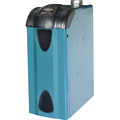


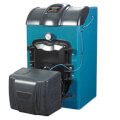
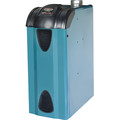
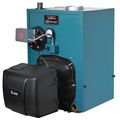
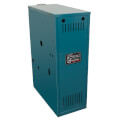
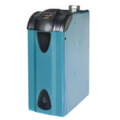

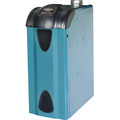
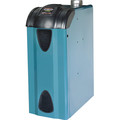
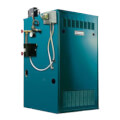
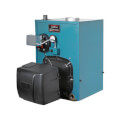

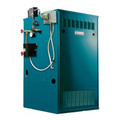
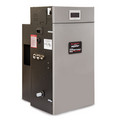

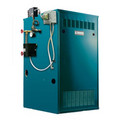
Burnham boilers are cast iron and steel gas and oil fired boilers built for residential and light commercial hydronic heating systems, covering both steam and hot water applications. The product line spans standard efficiency cast iron boilers built for durability in older housing stock as well as higher efficiency models designed to reduce fuel consumption in new construction and retrofit projects. Contractors specify Burnham boilers for replacement jobs where matching an existing hydronic system's piping and controls to a comparable boiler size simplifies the installation. Sizing a Burnham boiler correctly against a building's heat loss calculation matters more than matching the old unit's output rating, since older boilers are frequently oversized for the space they heat. Because the lineup includes multiple series aimed at different budgets and efficiency targets, narrowing down which Burnham boiler fits a project usually starts with the fuel type and heating load rather than the model name alone.
Subcategories
- Cast Iron Gas Boilers: Cast iron gas boilers form the core of the Burnham lineup and are a common choice for replacing an aging boiler in an existing hot water or steam system. The cast iron heat exchanger is built for a long service life and tolerates the mineral buildup and water quality issues that can shorten the life of other boiler materials. These models typically run at standard efficiency rather than condensing efficiency, which keeps installation simpler since venting and condensate handling requirements are less involved. Contractors often specify this type when a straightforward like-for-like replacement is the goal rather than a full efficiency upgrade.
- Cast Iron Oil Boilers: Cast iron oil boilers serve homes and buildings on oil heat rather than natural gas, which remains common in parts of the Northeast and other areas without gas service. These boilers pair with a burner unit that atomizes and ignites the fuel oil, and the burner is typically serviced and adjusted on its own maintenance schedule separate from the boiler itself. Fuel quality and tank condition affect burner performance more than they do with gas equipment, so a service visit for one of these boilers often includes a check of the oil supply as well. Replacement projects on this type usually keep the same fuel source unless a full utility conversion is part of the scope.
- High-Efficiency Condensing Boilers: High efficiency condensing boilers extract additional heat from flue gases that a standard efficiency boiler would otherwise vent outside, which lowers fuel consumption but requires plastic venting and a condensate drain rather than a standard metal flue. These models suit new construction or major retrofit projects where the added venting and condensate work fits into the overall scope of the job. Because condensing boilers run most efficiently at lower water temperatures, pairing one with radiant floor heat or oversized baseboard can capture more of the efficiency gain than a system designed around older, higher water temperatures. Contractors weighing this type against a standard cast iron replacement should factor in the additional venting and condensate neutralization work involved.
- Steam Boilers: Steam boilers generate steam rather than circulating hot water, and they remain common in older multi-family buildings and homes built with radiator-based steam heat. Proper near-boiler piping, including the header and equalizer, matters more for steam systems than for hot water systems, since incorrect piping can cause water hammer or carry water over into the steam lines. Sizing a steam boiler against the connected radiation load, rather than the old boiler's rated output, is a common point where replacement projects go wrong. Technicians familiar with steam-specific piping practices are better positioned to avoid the noise and water-carryover complaints that follow an improperly installed steam boiler.
- Combination Boilers: Combination boilers, often called combi boilers, provide both space heating and domestic hot water from a single unit, which saves mechanical room space compared with a boiler paired with a separate water heater or indirect tank. Domestic hot water output is limited by the unit's flow rate, so a combi boiler needs to be sized against the building's peak hot water demand as well as its heating load, not just one or the other. These units suit smaller homes and apartments where space is limited and the hot water demand does not require a separate storage tank. Contractors specifying a combi boiler should confirm both the heating and domestic hot water requirements before finalizing the model.
Buying Guide
Selecting a Burnham boiler starts with fuel type, since gas and oil models use different burner and venting components that are not interchangeable, and a building's existing fuel supply usually determines this choice before any other factor. Sizing comes next, and matching capacity to a proper heat loss calculation is more reliable than matching the output rating on the equipment being replaced, since many older boilers were installed oversized for the space they heat. For replacement projects on a steam system, the boiler's near-boiler piping needs to be correct for steam service, since hot water piping practices do not transfer directly and mismatched piping is a common source of water hammer or noisy operation. High-efficiency condensing models offer lower fuel costs but need plastic venting and a condensate drain, so a mechanical room without the space or slope for that work may be better suited to a standard cast iron model instead. Combination boilers save space by handling both heating and domestic hot water from one unit, but they require sizing against both loads rather than just the heating requirement, so a home with high simultaneous hot water demand may still need a separate water heater. Contractors should also confirm venting requirements against the mechanical room's construction, since some configurations need sidewall venting while others route through an existing chimney, and getting this wrong after installation is a costly correction.
Frequently Asked Questions
What is the difference between a Burnham cast iron boiler and a condensing boiler?
A cast iron boiler runs at standard efficiency and vents through a conventional metal flue, while a condensing boiler extracts more heat from the flue gases and needs plastic venting along with a condensate drain.
How is a replacement Burnham boiler properly sized for an existing home?
Sizing should be based on a heat loss calculation for the building rather than the output rating of the boiler being replaced, since many older systems were installed with more capacity than the space actually needs.
Can a Burnham boiler be installed on an existing steam heating system?
Yes, steam-specific models are available, but the near-boiler piping, including the header and equalizer, needs to match steam system requirements rather than hot water piping practices to avoid water hammer or carryover.
What does a combination boiler do differently from a standard boiler?
A combination boiler supplies both space heating and domestic hot water from a single unit, so it needs to be sized against both the heating load and peak hot water demand rather than the heating load alone.
Does switching to a high-efficiency condensing boiler always lower fuel costs?
Condensing boilers typically lower fuel consumption, but the savings are greatest when paired with a heating system designed for lower water temperatures, such as radiant floor heat or oversized baseboard, rather than a system built around older, higher temperatures.
