



Filters
SORT
Product Availability –
Review Score –
 --%3E %3Csvg version='1.1' id='Fill' xmlns='http://www.w3.org/2000/svg' xmlns:xlink='http://www.w3.org/1999/xlink' x='0px' y='0px' viewBox='0 0 100 100' enable-background='new 0 0 100 100' xml:space='preserve'%3E %3Cpath fill='%23F15C02' d='M79.44,0.95H20.56C9.78,0.95,0.95,9.78,0.95,20.56v58.87c0,10.79,8.82,19.61,19.61,19.61h58.87 c10.79,0,19.61-8.83,19.61-19.61V20.56C99.05,9.78,90.22,0.95,79.44,0.95z M65.38,58.24l9.38,29.58L49.69,69.78L24.5,87.82 l9.34-29.6L8.8,39.6l30.73-0.17c0,0,6.98-19.61,10-28.93c0.54,1.36,9.88,29.1,9.88,29.1H91.2L65.38,58.24z'/%3E %3C/svg%3E)
 --%3E %3Csvg version='1.1' id='With-RB' xmlns='http://www.w3.org/2000/svg' xmlns:xlink='http://www.w3.org/1999/xlink' x='0px' y='0px' viewBox='0 0 100 100' enable-background='new 0 0 100 100' xml:space='preserve'%3E %3Cpath fill='%23FBC8B4' d='M79.44,0.95H20.56C9.78,0.95,0.95,9.78,0.95,20.56v58.87c0,10.79,8.82,19.61,19.61,19.61h58.87 c10.79,0,19.61-8.83,19.61-19.61V20.56C99.05,9.78,90.22,0.95,79.44,0.95z M65.38,58.24l9.38,29.58L49.69,69.78L24.5,87.82 l9.34-29.6L8.8,39.6l30.73-0.17c0,0,6.98-19.61,10-28.93c0.54,1.36,9.88,29.1,9.88,29.1H91.2L65.38,58.24z'/%3E %3C/svg%3E)
Price Range –
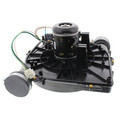
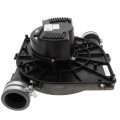
Carrier Draft Inducer Motors


 --%3E %3Csvg version='1.1' id='Half' xmlns='http://www.w3.org/2000/svg' xmlns:xlink='http://www.w3.org/1999/xlink' x='0px' y='0px' viewBox='0 0 100 100' enable-background='new 0 0 100 100' xml:space='preserve'%3E %3Cg%3E %3Cpath fill='%23F15C02' d='M30.05,70.23l3.79-12.01L8.8,39.6l30.73-0.17c0,0,6.98-19.61,10-28.93c0.54,1.36,9.88,29.1,9.88,29.1h1.58 L93.71,7.18c-3.58-3.82-8.66-6.23-14.28-6.23H20.56C9.78,0.95,0.95,9.78,0.95,20.56v58.87c0,5.41,2.22,10.32,5.79,13.88 L30.05,70.23z'/%3E %3C/g%3E %3Cpath fill='%23FBC8B4' d='M93.71,7.18L60.98,39.6H91.2L65.38,58.24l9.38,29.58L49.69,69.78L24.5,87.82l5.55-17.59L6.75,93.32 c3.55,3.54,8.44,5.73,13.82,5.73h58.87c10.79,0,19.61-8.83,19.61-19.61V20.56C99.05,15.4,97.01,10.69,93.71,7.18z'/%3E %3C/svg%3E)
 --%3E %3Csvg version='1.1' id='No-RB' xmlns='http://www.w3.org/2000/svg' xmlns:xlink='http://www.w3.org/1999/xlink' x='0px' y='0px' viewBox='0 0 100 100' enable-background='new 0 0 100 100' xml:space='preserve'%3E %3Cpath fill='%23CECECE' d='M79.44,0.95H20.56C9.78,0.95,0.95,9.78,0.95,20.56v58.87c0,10.79,8.82,19.61,19.61,19.61h58.87 c10.79,0,19.61-8.83,19.61-19.61V20.56C99.05,9.78,90.22,0.95,79.44,0.95z M65.38,58.24l9.38,29.58L49.69,69.78L24.5,87.82 l9.34-29.6L8.8,39.6l30.73-0.17c0,0,6.98-19.61,10-28.93c0.54,1.36,9.88,29.1,9.88,29.1H91.2L65.38,58.24z'/%3E %3C/svg%3E)

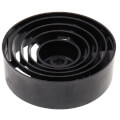
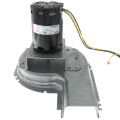
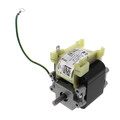
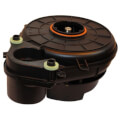
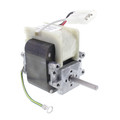
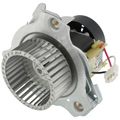
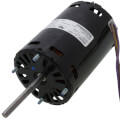
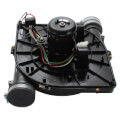
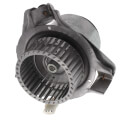
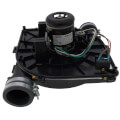
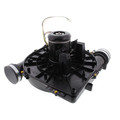
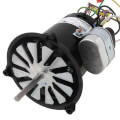
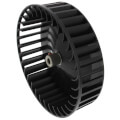
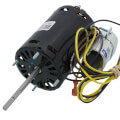
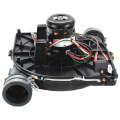
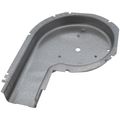
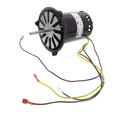
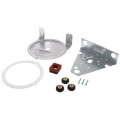
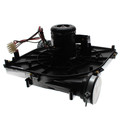
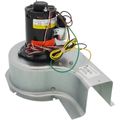
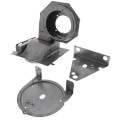
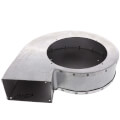
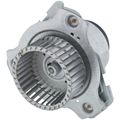
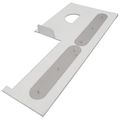
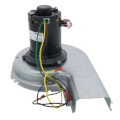
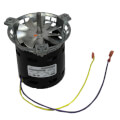
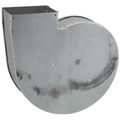
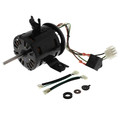
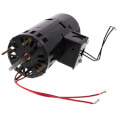
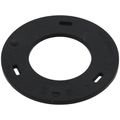
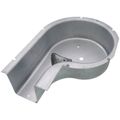
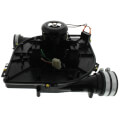
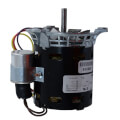
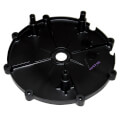
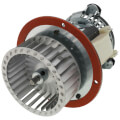
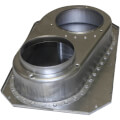

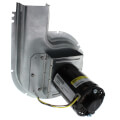
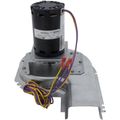
Carrier Draft Inducer Motors power the small blower assembly that pulls combustion gases out of a gas furnace and pushes them safely through the vent pipe before the burner is allowed to ignite. The furnace's control board monitors airflow through a pressure switch connected to the inducer, and if the motor doesn't spin up to create the expected draft, the system locks out rather than firing the burner into a blocked or restricted flue. This safety sequence is why a failed draft inducer motor is one of the most common reasons a Carrier furnace won't start at all despite otherwise having power and a call for heat. Technicians troubleshooting a no-heat call typically listen for inducer motor operation first, since a motor that hums but doesn't spin, or doesn't run at all, points directly to this component rather than the burner or ignition system.
Subcategories
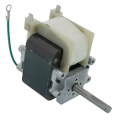
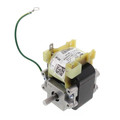
- Direct Replacement Draft Inducer Motors: Direct replacement motors match the original equipment specification for a specific Carrier furnace model, including mounting pattern, shaft configuration, and electrical rating. These are the most straightforward replacement option when the exact model is still available, since no adapter or bracket modification is needed. Technicians confirm the model number stamped on the original motor housing before ordering.
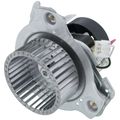
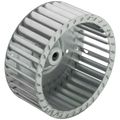
- Draft Inducer Motor Wheels and Blower Assemblies: The wheel or blower assembly that attaches to the motor shaft can wear, crack, or become unbalanced independently of the motor itself, especially in older units exposed to years of condensate or corrosion. Replacing just the wheel is a lower-cost fix when the motor is still running well but making noise or vibrating. Wheel and motor need to be matched for proper balance and airflow performance.
- Draft Inducer Gaskets and Housings: Gaskets seal the connection between the inducer housing and the furnace's heat exchanger or vent connector, and a failed gasket can allow flue gas leakage or cause the pressure switch to read incorrectly. These are inexpensive parts but are frequently overlooked during a motor replacement, even though reusing a worn gasket can cause a repeat service call. Replacing the gasket at the same time as the motor is standard practice.
- Pressure Switches and Related Controls: Pressure switches monitor the draft created by the inducer motor and signal the control board to proceed with ignition once adequate airflow is confirmed. A furnace that locks out on a draft-related fault code even with a working inducer motor often has a failed or misadjusted pressure switch rather than a motor problem. These parts are commonly stocked alongside inducer motors since both fail from similar service conditions.
Buying Guide
Ordering the correct Carrier Draft Inducer Motor starts with the furnace model and serial number, along with the model number printed directly on the original motor if it's still legible. Draft inducer motors vary by horsepower, RPM, and electrical rating across Carrier's furnace lineup, and a mismatched motor can create either insufficient or excessive draft, neither of which the control board will accept as normal operation.
Mounting configuration matters as much as electrical rating. The motor's shaft length, mounting bolt pattern, and wheel attachment style all need to match the original equipment for a clean bolt-in replacement. Technicians should also inspect the housing gasket during any motor swap, since a worn gasket left in place can cause a pressure switch fault even after installing a correctly specified new motor.
Noise and vibration at startup are common signs the wheel, rather than the motor, is the actual point of failure, especially on furnaces that have been in service for many years and accumulated condensate corrosion on the wheel. Confirming which component has actually failed before ordering avoids paying for a full motor replacement when a wheel and gasket kit would resolve the issue.
Because draft inducer failure prevents the furnace from firing at all, technicians commonly stock the most frequently replaced Carrier motor models along with common pressure switches, keeping a no-heat call to a single visit rather than requiring a return trip for a special-order part.
Frequently Asked Questions
Why won't my Carrier furnace start even though it has power?
A furnace that has power but won't ignite is frequently stuck on a failed draft inducer motor, since the control board requires confirmed draft airflow through a pressure switch before allowing the burner to fire. Listening for inducer motor operation during a call for heat is a standard first diagnostic step.
How do I know if the motor or the wheel has failed on a draft inducer assembly?
A motor that hums but doesn't spin, or doesn't run at all, usually points to the motor itself. Noise or vibration during otherwise normal operation more often points to a worn or unbalanced wheel rather than the motor. Removing the assembly for inspection confirms which component needs replacement.
Should the gasket be replaced when installing a new draft inducer motor?
Yes. The gasket that seals the inducer housing to the furnace can wear out from the same heat and condensate exposure that affects the motor, and reusing an old gasket can cause flue gas leakage or an inaccurate pressure switch reading even with a correctly installed new motor.
What causes a furnace to lock out on a draft-related fault code with a working inducer motor?
This is commonly caused by a failed or misadjusted pressure switch rather than the motor itself. The pressure switch confirms adequate draft to the control board, so a switch that fails to close, or closes incorrectly, will block ignition even when the inducer motor is spinning normally.
Can a universal draft inducer motor be used instead of a Carrier-specific part?
Some universal motors are built to cross-reference specific Carrier models, but the replacement still needs to match horsepower, RPM, mounting configuration, and wheel attachment style exactly. Confirming those specifications against the original motor's nameplate is the reliable way to verify a correct fit.
