




Filters
SORT
Product Availability –
Product Type –
Review Score –
 --%3E %3Csvg version='1.1' id='Fill' xmlns='http://www.w3.org/2000/svg' xmlns:xlink='http://www.w3.org/1999/xlink' x='0px' y='0px' viewBox='0 0 100 100' enable-background='new 0 0 100 100' xml:space='preserve'%3E %3Cpath fill='%23F15C02' d='M79.44,0.95H20.56C9.78,0.95,0.95,9.78,0.95,20.56v58.87c0,10.79,8.82,19.61,19.61,19.61h58.87 c10.79,0,19.61-8.83,19.61-19.61V20.56C99.05,9.78,90.22,0.95,79.44,0.95z M65.38,58.24l9.38,29.58L49.69,69.78L24.5,87.82 l9.34-29.6L8.8,39.6l30.73-0.17c0,0,6.98-19.61,10-28.93c0.54,1.36,9.88,29.1,9.88,29.1H91.2L65.38,58.24z'/%3E %3C/svg%3E)
Price Range –
Control Panels


 --%3E %3Csvg version='1.1' id='No-RB' xmlns='http://www.w3.org/2000/svg' xmlns:xlink='http://www.w3.org/1999/xlink' x='0px' y='0px' viewBox='0 0 100 100' enable-background='new 0 0 100 100' xml:space='preserve'%3E %3Cpath fill='%23CECECE' d='M79.44,0.95H20.56C9.78,0.95,0.95,9.78,0.95,20.56v58.87c0,10.79,8.82,19.61,19.61,19.61h58.87 c10.79,0,19.61-8.83,19.61-19.61V20.56C99.05,9.78,90.22,0.95,79.44,0.95z M65.38,58.24l9.38,29.58L49.69,69.78L24.5,87.82 l9.34-29.6L8.8,39.6l30.73-0.17c0,0,6.98-19.61,10-28.93c0.54,1.36,9.88,29.1,9.88,29.1H91.2L65.38,58.24z'/%3E %3C/svg%3E)
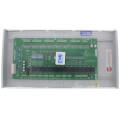



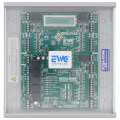



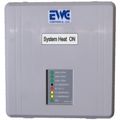
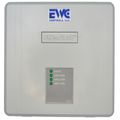

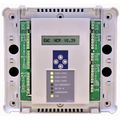
Control Panels are the centralized components that manage HVAC zoning, damper operation, and equipment staging across a heating and cooling system, translating thermostat signals into action at the equipment level. A zone control panel like the ZoneFirst MDP3 handles up to 3 zones out of the box and can expand to as many as 103 zones on larger commercial installations. Contractors install control panels between the thermostats and the equipment, whether that equipment is a single-stage furnace, a multi-stage heat pump, or a bank of motorized zone dampers. Panel selection depends heavily on zone count, the number of heating and cooling stages the equipment supports, and whether the job calls for basic zoning or full building automation. Getting the panel choice right at the design stage avoids a rewire or a full swap later, since panels are usually mounted and wired into the equipment cabinet or a dedicated electrical enclosure.
Subcategories
- Zone Control Panels: Zone control panels like the ZoneFirst MDP3 manage 2 to 3 zones from the factory and can expand to as many as 103 zones on larger commercial systems. Each panel handles up to 3 stages of heating and 2 stages of cooling per zone, letting a single HVAC system serve multiple independently controlled areas. Contractors wire zone thermostats and motorized zone dampers into the panel, which sequences equipment staging based on which zones call for heating or cooling at a given moment. Residential and light commercial installers use zone panels most often on multi-story homes and buildings with varied sun exposure across rooms.
- Damper Control Panels: Damper control panels such as the EWC Controls BMPLUS-3000 pair with motorized zone dampers and standard thermostats to route conditioned air to specific zones on demand. Installers combine the panel with off-the-shelf thermostats rather than a proprietary control, which keeps replacement thermostat options open on future service calls. Forced-air zoning contractors use this panel type on residential and light commercial jobs where ductwork already splits into multiple zone runs. Wiring terminals on the panel connect directly to each damper motor and zone thermostat in most configurations.
- Ventilation Control Panels: Ventilation control panels like the iO HVAC Controls Fresh Air Ventilation Control Panel manage fresh air intake dampers and fan staging to meet indoor air quality targets in a building. Mechanical contractors install these panels alongside energy recovery ventilators or dedicated outdoor air systems to control when and how much outside air enters the building. Panel logic typically ties fan operation and damper position to occupancy schedules or air quality sensor readings. Commercial buildings with strict ventilation code requirements rely on this panel type to document and automate compliance.
- Equipment Control and Relay Panels: Equipment control and relay panels manage staging and safety interlocks for specific pieces of mechanical equipment, such as the Sterling HVAC remote control panel used on unit heaters and make-up air units. Contractors mount these panels either on the equipment itself or in a separate electrical enclosure closer to the thermostat or operator station. Relay-based panels translate a single low-voltage control signal into the multiple high-voltage switching actions equipment start-up requires. Replacement panels typically need to match the original equipment manufacturer's wiring diagram to maintain proper sequencing and safety interlocks.
Buying Guide
Start a Control Panels selection with an accurate zone count and equipment stage count, since panel capacity is usually described in terms of how many zones and how many heating and cooling stages it can manage simultaneously. A single-zone system with basic single-stage equipment needs far less panel capability than a multi-zone commercial building with staged heating and cooling.
Confirm compatibility with the thermostats already installed or specified for the job. Some damper control panels pair with any off-the-shelf thermostat, which keeps future thermostat replacement flexible, while other panel families expect a specific thermostat line to unlock full functionality. Mismatching a panel and thermostat family can limit staging options or block certain zoning features entirely.
Expansion room matters on any job that might grow. Choosing a panel with more zone capacity than the current job requires avoids a full panel swap if a building adds zones or equipment later, since some zone panels expand modularly while others cap out at a fixed zone count from the factory.
Mounting location and enclosure rating round out the decision. Panels installed in mechanical rooms typically need only basic protection, while panels near outdoor equipment or in wet locations need an enclosure rated for the environment. Match the panel's wiring terminals and voltage requirements to the equipment's control board before finalizing an order to avoid a mismatched control signal.
Frequently Asked Questions
How many zones can a control panel handle?
Zone capacity varies widely by panel family, with entry-level panels like the ZoneFirst MDP3 covering 2 to 3 zones and expanding modularly up to 103 zones for larger commercial systems. Matching panel capacity to actual zone count avoids paying for unused capacity or hitting a capacity wall as a building adds zones. Checking both current and near-term future zone needs before ordering prevents a full panel replacement later.
Do control panels work with any thermostat?
Compatibility depends on the specific panel family, since some damper control panels like the EWC BMPLUS-3000 pair with standard off-the-shelf thermostats, while other systems require a matched proprietary thermostat to unlock full staging functionality. Confirming thermostat compatibility before ordering a panel avoids limited functionality or a forced thermostat swap. Panels designed for off-the-shelf compatibility generally offer more flexibility for future thermostat replacements.
What is the difference between a zone control panel and a damper control panel?
Zone control panels manage the overall sequencing across multiple zones and equipment stages, while damper control panels focus specifically on routing conditioned air by opening and closing motorized dampers per zone. Many jobs use both together, with the zone panel handling equipment staging logic and damper panels handling the physical air routing. Selecting the correct combination depends on how the ductwork and equipment are already configured on a given job.
What does a ventilation control panel do?
Ventilation control panels manage fresh air intake dampers and fan staging to meet indoor air quality targets, often tied to occupancy schedules or air quality sensor readings. Mechanical contractors typically install these panels alongside energy recovery ventilators or dedicated outdoor air systems on commercial buildings. Buildings with strict ventilation code requirements rely on this panel type to automate and document compliance.
Where should a control panel be mounted?
Mounting location depends on the equipment it controls and the panel's enclosure rating, with most panels installed in a mechanical room, on the equipment cabinet itself, or in a dedicated electrical enclosure nearby. Panels near outdoor equipment or in wet locations need an enclosure rated for moisture and temperature exposure. Confirming the enclosure rating matches the installation environment before mounting prevents premature component failure.
