




Filters
SORT
Product Availability –
Brand –
Size –
Rod Diameter –
Review Score –
 --%3E %3Csvg version='1.1' id='Fill' xmlns='http://www.w3.org/2000/svg' xmlns:xlink='http://www.w3.org/1999/xlink' x='0px' y='0px' viewBox='0 0 100 100' enable-background='new 0 0 100 100' xml:space='preserve'%3E %3Cpath fill='%23F15C02' d='M79.44,0.95H20.56C9.78,0.95,0.95,9.78,0.95,20.56v58.87c0,10.79,8.82,19.61,19.61,19.61h58.87 c10.79,0,19.61-8.83,19.61-19.61V20.56C99.05,9.78,90.22,0.95,79.44,0.95z M65.38,58.24l9.38,29.58L49.69,69.78L24.5,87.82 l9.34-29.6L8.8,39.6l30.73-0.17c0,0,6.98-19.61,10-28.93c0.54,1.36,9.88,29.1,9.88,29.1H91.2L65.38,58.24z'/%3E %3C/svg%3E)
 --%3E %3Csvg version='1.1' id='With-RB' xmlns='http://www.w3.org/2000/svg' xmlns:xlink='http://www.w3.org/1999/xlink' x='0px' y='0px' viewBox='0 0 100 100' enable-background='new 0 0 100 100' xml:space='preserve'%3E %3Cpath fill='%23FBC8B4' d='M79.44,0.95H20.56C9.78,0.95,0.95,9.78,0.95,20.56v58.87c0,10.79,8.82,19.61,19.61,19.61h58.87 c10.79,0,19.61-8.83,19.61-19.61V20.56C99.05,9.78,90.22,0.95,79.44,0.95z M65.38,58.24l9.38,29.58L49.69,69.78L24.5,87.82 l9.34-29.6L8.8,39.6l30.73-0.17c0,0,6.98-19.61,10-28.93c0.54,1.36,9.88,29.1,9.88,29.1H91.2L65.38,58.24z'/%3E %3C/svg%3E)
Price Range –
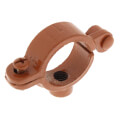
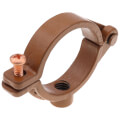
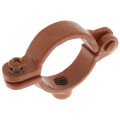
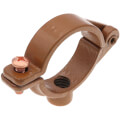
Copper Split Rings



 --%3E %3Csvg version='1.1' id='Half' xmlns='http://www.w3.org/2000/svg' xmlns:xlink='http://www.w3.org/1999/xlink' x='0px' y='0px' viewBox='0 0 100 100' enable-background='new 0 0 100 100' xml:space='preserve'%3E %3Cg%3E %3Cpath fill='%23F15C02' d='M30.05,70.23l3.79-12.01L8.8,39.6l30.73-0.17c0,0,6.98-19.61,10-28.93c0.54,1.36,9.88,29.1,9.88,29.1h1.58 L93.71,7.18c-3.58-3.82-8.66-6.23-14.28-6.23H20.56C9.78,0.95,0.95,9.78,0.95,20.56v58.87c0,5.41,2.22,10.32,5.79,13.88 L30.05,70.23z'/%3E %3C/g%3E %3Cpath fill='%23FBC8B4' d='M93.71,7.18L60.98,39.6H91.2L65.38,58.24l9.38,29.58L49.69,69.78L24.5,87.82l5.55-17.59L6.75,93.32 c3.55,3.54,8.44,5.73,13.82,5.73h58.87c10.79,0,19.61-8.83,19.61-19.61V20.56C99.05,15.4,97.01,10.69,93.71,7.18z'/%3E %3C/svg%3E)
 --%3E %3Csvg version='1.1' id='No-RB' xmlns='http://www.w3.org/2000/svg' xmlns:xlink='http://www.w3.org/1999/xlink' x='0px' y='0px' viewBox='0 0 100 100' enable-background='new 0 0 100 100' xml:space='preserve'%3E %3Cpath fill='%23CECECE' d='M79.44,0.95H20.56C9.78,0.95,0.95,9.78,0.95,20.56v58.87c0,10.79,8.82,19.61,19.61,19.61h58.87 c10.79,0,19.61-8.83,19.61-19.61V20.56C99.05,9.78,90.22,0.95,79.44,0.95z M65.38,58.24l9.38,29.58L49.69,69.78L24.5,87.82 l9.34-29.6L8.8,39.6l30.73-0.17c0,0,6.98-19.61,10-28.93c0.54,1.36,9.88,29.1,9.88,29.1H91.2L65.38,58.24z'/%3E %3C/svg%3E)
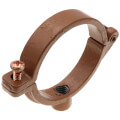

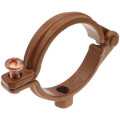
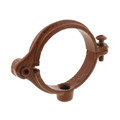

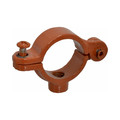
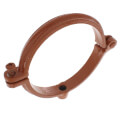
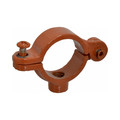


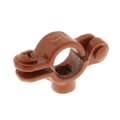
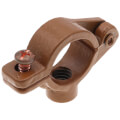
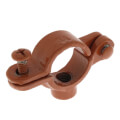
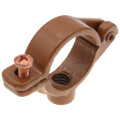
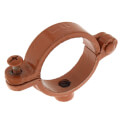
Copper split rings are hinged copper clamps that secure copper tubing to a solid surface, such as a floor joist or wall stud, without requiring the tube to be threaded through a closed loop first. The split design lets a plumber or HVAC installer open the ring, wrap it around tubing that's already in place, and close it around the pipe, which speeds up installation on retrofit work where feeding tubing through a closed strap isn't practical. Because the rings are made from copper rather than steel or plastic, they resist the galvanic corrosion that can develop where a dissimilar metal contacts copper tubing directly over time. Ring size is matched to the outside diameter of the tubing being supported, and proper spacing between supports keeps the tubing from sagging or vibrating against nearby framing.
Copper split rings see the most use on plumbing and hydronic heating installations where copper tube runs need secure, code-compliant support along joists, studs, and other framing members.
Subcategories
- Standard Copper Split Rings: Basic hinged rings sized to common copper tube diameters, used for general-purpose support along framing members. These are the most commonly stocked size range for residential and light commercial plumbing work. Proper sizing to the tube's outside diameter keeps the ring snug without pinching the tubing.
- Copper Split Ring Nails and Fasteners: Nails and screws designed to mount split rings to wood framing, sized and shaped to hold securely in joists and studs without splitting the wood. Matching the fastener to the framing material helps the support hold over the life of the installation. These are typically sold alongside the rings themselves.
- Extension and Riser Clamps: Related copper-compatible support hardware for vertical tube runs and riser applications where a standard split ring configuration isn't the right fit. These support the weight of a vertical pipe run at floor penetrations. Selection depends on the specific riser configuration and load requirements of the installation.
Buying Guide
Measure the outside diameter of the copper tubing being supported before ordering split rings, since a ring that's too loose won't hold the tube securely and one that's too tight can deform soft copper tubing over time.
Choose copper split rings specifically, rather than steel or plated alternatives, when the support will be in direct contact with copper tubing for an extended period, since dissimilar metal contact can lead to galvanic corrosion at the point of contact in the presence of moisture.
Plan support spacing according to local plumbing code requirements for the tube size and run orientation, since horizontal runs typically need more frequent support than vertical risers to prevent sagging between supports.
For jobs involving both copper and other pipe materials on the same project, keep the fastener and clamp types separated by material to avoid mixing incompatible metals at any support point, which helps avoid corrosion issues down the line.
Frequently Asked Questions
Why use copper split rings instead of steel pipe hangers on copper tubing?
Copper split rings avoid galvanic corrosion that can occur when a dissimilar metal like steel stays in direct contact with copper tubing over time, especially in the presence of moisture.
How do I choose the right size copper split ring?
Measure the outside diameter of the tubing being supported and match it to the ring's rated size range; an incorrect size can either fail to hold the tube securely or deform it.
What's the benefit of a split design over a closed loop clamp?
A split ring can be opened and closed around tubing that's already installed, which is faster on retrofit work where threading a closed clamp onto the pipe isn't practical.
How far apart should copper split rings be spaced along a horizontal run?
Spacing depends on local plumbing code requirements for the tube size, but horizontal runs generally need more frequent support than vertical risers to prevent sagging.
Can copper split rings be used on both plumbing and hydronic heating lines?
Yes, they're commonly used to support copper tubing in both potable water plumbing and hydronic heating installations wherever secure, code-compliant support is needed along framing.
