




Filters
SORT
Product Availability –
Brand –
Size –
Material –
Review Score –
 --%3E %3Csvg version='1.1' id='Fill' xmlns='http://www.w3.org/2000/svg' xmlns:xlink='http://www.w3.org/1999/xlink' x='0px' y='0px' viewBox='0 0 100 100' enable-background='new 0 0 100 100' xml:space='preserve'%3E %3Cpath fill='%23F15C02' d='M79.44,0.95H20.56C9.78,0.95,0.95,9.78,0.95,20.56v58.87c0,10.79,8.82,19.61,19.61,19.61h58.87 c10.79,0,19.61-8.83,19.61-19.61V20.56C99.05,9.78,90.22,0.95,79.44,0.95z M65.38,58.24l9.38,29.58L49.69,69.78L24.5,87.82 l9.34-29.6L8.8,39.6l30.73-0.17c0,0,6.98-19.61,10-28.93c0.54,1.36,9.88,29.1,9.88,29.1H91.2L65.38,58.24z'/%3E %3C/svg%3E)
 --%3E %3Csvg version='1.1' id='With-RB' xmlns='http://www.w3.org/2000/svg' xmlns:xlink='http://www.w3.org/1999/xlink' x='0px' y='0px' viewBox='0 0 100 100' enable-background='new 0 0 100 100' xml:space='preserve'%3E %3Cpath fill='%23FBC8B4' d='M79.44,0.95H20.56C9.78,0.95,0.95,9.78,0.95,20.56v58.87c0,10.79,8.82,19.61,19.61,19.61h58.87 c10.79,0,19.61-8.83,19.61-19.61V20.56C99.05,9.78,90.22,0.95,79.44,0.95z M65.38,58.24l9.38,29.58L49.69,69.78L24.5,87.82 l9.34-29.6L8.8,39.6l30.73-0.17c0,0,6.98-19.61,10-28.93c0.54,1.36,9.88,29.1,9.88,29.1H91.2L65.38,58.24z'/%3E %3C/svg%3E)
Price Range –
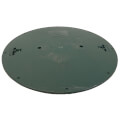
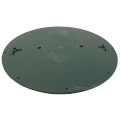
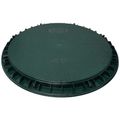
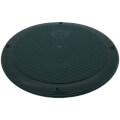
Drainage Covers





 --%3E %3Csvg version='1.1' id='Half' xmlns='http://www.w3.org/2000/svg' xmlns:xlink='http://www.w3.org/1999/xlink' x='0px' y='0px' viewBox='0 0 100 100' enable-background='new 0 0 100 100' xml:space='preserve'%3E %3Cg%3E %3Cpath fill='%23F15C02' d='M30.05,70.23l3.79-12.01L8.8,39.6l30.73-0.17c0,0,6.98-19.61,10-28.93c0.54,1.36,9.88,29.1,9.88,29.1h1.58 L93.71,7.18c-3.58-3.82-8.66-6.23-14.28-6.23H20.56C9.78,0.95,0.95,9.78,0.95,20.56v58.87c0,5.41,2.22,10.32,5.79,13.88 L30.05,70.23z'/%3E %3C/g%3E %3Cpath fill='%23FBC8B4' d='M93.71,7.18L60.98,39.6H91.2L65.38,58.24l9.38,29.58L49.69,69.78L24.5,87.82l5.55-17.59L6.75,93.32 c3.55,3.54,8.44,5.73,13.82,5.73h58.87c10.79,0,19.61-8.83,19.61-19.61V20.56C99.05,15.4,97.01,10.69,93.71,7.18z'/%3E %3C/svg%3E)

 --%3E %3Csvg version='1.1' id='No-RB' xmlns='http://www.w3.org/2000/svg' xmlns:xlink='http://www.w3.org/1999/xlink' x='0px' y='0px' viewBox='0 0 100 100' enable-background='new 0 0 100 100' xml:space='preserve'%3E %3Cpath fill='%23CECECE' d='M79.44,0.95H20.56C9.78,0.95,0.95,9.78,0.95,20.56v58.87c0,10.79,8.82,19.61,19.61,19.61h58.87 c10.79,0,19.61-8.83,19.61-19.61V20.56C99.05,9.78,90.22,0.95,79.44,0.95z M65.38,58.24l9.38,29.58L49.69,69.78L24.5,87.82 l9.34-29.6L8.8,39.6l30.73-0.17c0,0,6.98-19.61,10-28.93c0.54,1.36,9.88,29.1,9.88,29.1H91.2L65.38,58.24z'/%3E %3C/svg%3E)


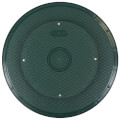

Drainage covers sit over floor drains, area drains, and trench drain channels to keep debris out while still letting water pass through to the plumbing below. Plumbers and facility maintenance crews install these covers wherever an open drain body would otherwise catch leaves, sediment, or foot traffic, and they come in materials like cast iron, nickel bronze, and stainless steel to match the environment's exposure to moisture, chemicals, or weight loads. A cover's grate or strainer pattern determines how much debris it filters before it needs to be pulled and cleaned, and heavier-duty covers hold up to vehicle or pedestrian traffic depending on where the drain sits. Picking a cover that matches both the drain body underneath it and the traffic or exposure it will see keeps water moving through the system and keeps the drain from becoming a maintenance headache.
Subcategories
- Floor Drain Covers: Floor drain covers fit into the drain body set in a mechanical room, restroom, or commercial kitchen floor, capping the opening while a strainer pattern lets water through. Nickel bronze and stainless steel covers show up often in finished spaces since they resist corrosion and hold up to foot traffic. Round covers are the most common shape, matching the round drain bodies typical in these settings. Facility maintenance staff pull these covers periodically to clear trapped debris from the strainer before it blocks flow.
- Area Drain Covers: Area drain covers sit over exterior or below-grade drains that collect surface water runoff, such as those set into a parking area, loading dock, or building perimeter. Cast iron is a common material choice here since it holds up to weather exposure and occasional vehicle traffic better than lighter materials. These covers typically use a wider grate pattern than floor drain covers to handle higher volumes of runoff water. Sizing the cover to the area drain's rim opening keeps debris like leaves and gravel from washing into the drain line.
- Trench Drain Grates: Trench drain grates run the length of a channel drain rather than covering a single point opening, collecting water along an entire trench rather than one spot. They come in slotted, perforated, or heel-proof patterns depending on whether the space sees pedestrian foot traffic, wheeled equipment, or vehicle loads. Stainless steel and ductile iron are common grate materials for trench drains in commercial kitchens and vehicle service areas. Matching the grate's load rating to the traffic crossing it prevents a grate from cracking or shifting under weight it wasn't built for.
Buying Guide
Start with the drain body already installed, since a cover only works if it matches that opening's size and shape. Covers are typically sold to fit a specific rim diameter or channel width, so measuring the existing drain body before ordering avoids one that rocks, doesn't seat, or leaves gaps around the edge.
Material choice comes next, driven mostly by exposure. Nickel bronze and stainless steel drainage covers resist corrosion well and suit finished interior spaces like restrooms and kitchens, while cast iron holds up to exterior weather exposure and heavier point loads in areas like loading docks or parking surfaces. Chemical exposure, such as in a lab or industrial process area, may call for a specific alloy that resists the chemicals present.
Load rating matters wherever a cover sees more than foot traffic. A cover rated only for pedestrian use won't hold up under a forklift, hand truck, or vehicle, so checking the expected traffic across a drain before ordering prevents a cracked or bent grate down the line. Trench drain grates in particular come in patterns suited to different traffic types, from heel-proof slots in walking areas to heavier ductile iron grates in vehicle service bays.
Finally, consider maintenance access. A cover that lifts out easily for cleaning saves time on routine maintenance compared to one requiring tools to remove, which matters most on drains that see frequent debris.
Frequently Asked Questions
How is the right size drainage cover chosen for an existing drain?
Measuring the drain body's rim diameter or channel width before ordering is the most reliable way to match a cover to an existing opening. A cover that's the wrong size can rock, fail to seat properly, or leave gaps that let debris past the strainer pattern.
What material holds up best for an exterior area drain?
Cast iron is a common choice for exterior area drains since it resists weather exposure and handles occasional vehicle traffic better than lighter materials. Nickel bronze and stainless steel tend to suit interior, finished spaces where corrosion resistance and appearance matter more than heavy load capacity.
Can a pedestrian-rated cover handle vehicle traffic?
A cover rated only for pedestrian use isn't built to handle the weight of a vehicle and can crack or shift under that kind of load. Areas that see vehicle or heavy equipment traffic need a cover with a load rating matched to that use.
What's the difference between a floor drain cover and a trench drain grate?
Floor drain covers cap a single point opening, typically round, set into a floor, while trench drain grates run the length of a channel drain to collect water along its whole span. The two serve different drain body designs and aren't interchangeable.
How often should a drainage cover be removed for cleaning?
Cleaning frequency depends on how much debris the location generates, but covers in high-traffic or outdoor areas typically need more frequent checks than those in a clean interior mechanical room. A cover that lifts out easily makes this routine maintenance faster to keep up with.
