




Filters
SORT
Product Availability –
Brand –
Product Type –
Size Range –
Review Score –
 --%3E %3Csvg version='1.1' id='Fill' xmlns='http://www.w3.org/2000/svg' xmlns:xlink='http://www.w3.org/1999/xlink' x='0px' y='0px' viewBox='0 0 100 100' enable-background='new 0 0 100 100' xml:space='preserve'%3E %3Cpath fill='%23F15C02' d='M79.44,0.95H20.56C9.78,0.95,0.95,9.78,0.95,20.56v58.87c0,10.79,8.82,19.61,19.61,19.61h58.87 c10.79,0,19.61-8.83,19.61-19.61V20.56C99.05,9.78,90.22,0.95,79.44,0.95z M65.38,58.24l9.38,29.58L49.69,69.78L24.5,87.82 l9.34-29.6L8.8,39.6l30.73-0.17c0,0,6.98-19.61,10-28.93c0.54,1.36,9.88,29.1,9.88,29.1H91.2L65.38,58.24z'/%3E %3C/svg%3E)
 --%3E %3Csvg version='1.1' id='With-RB' xmlns='http://www.w3.org/2000/svg' xmlns:xlink='http://www.w3.org/1999/xlink' x='0px' y='0px' viewBox='0 0 100 100' enable-background='new 0 0 100 100' xml:space='preserve'%3E %3Cpath fill='%23FBC8B4' d='M79.44,0.95H20.56C9.78,0.95,0.95,9.78,0.95,20.56v58.87c0,10.79,8.82,19.61,19.61,19.61h58.87 c10.79,0,19.61-8.83,19.61-19.61V20.56C99.05,9.78,90.22,0.95,79.44,0.95z M65.38,58.24l9.38,29.58L49.69,69.78L24.5,87.82 l9.34-29.6L8.8,39.6l30.73-0.17c0,0,6.98-19.61,10-28.93c0.54,1.36,9.88,29.1,9.88,29.1H91.2L65.38,58.24z'/%3E %3C/svg%3E)
Price Range –
Duct Hole Cutters

 --%3E %3Csvg version='1.1' id='Half' xmlns='http://www.w3.org/2000/svg' xmlns:xlink='http://www.w3.org/1999/xlink' x='0px' y='0px' viewBox='0 0 100 100' enable-background='new 0 0 100 100' xml:space='preserve'%3E %3Cg%3E %3Cpath fill='%23F15C02' d='M30.05,70.23l3.79-12.01L8.8,39.6l30.73-0.17c0,0,6.98-19.61,10-28.93c0.54,1.36,9.88,29.1,9.88,29.1h1.58 L93.71,7.18c-3.58-3.82-8.66-6.23-14.28-6.23H20.56C9.78,0.95,0.95,9.78,0.95,20.56v58.87c0,5.41,2.22,10.32,5.79,13.88 L30.05,70.23z'/%3E %3C/g%3E %3Cpath fill='%23FBC8B4' d='M93.71,7.18L60.98,39.6H91.2L65.38,58.24l9.38,29.58L49.69,69.78L24.5,87.82l5.55-17.59L6.75,93.32 c3.55,3.54,8.44,5.73,13.82,5.73h58.87c10.79,0,19.61-8.83,19.61-19.61V20.56C99.05,15.4,97.01,10.69,93.71,7.18z'/%3E %3C/svg%3E)

 --%3E %3Csvg version='1.1' id='No-RB' xmlns='http://www.w3.org/2000/svg' xmlns:xlink='http://www.w3.org/1999/xlink' x='0px' y='0px' viewBox='0 0 100 100' enable-background='new 0 0 100 100' xml:space='preserve'%3E %3Cpath fill='%23CECECE' d='M79.44,0.95H20.56C9.78,0.95,0.95,9.78,0.95,20.56v58.87c0,10.79,8.82,19.61,19.61,19.61h58.87 c10.79,0,19.61-8.83,19.61-19.61V20.56C99.05,9.78,90.22,0.95,79.44,0.95z M65.38,58.24l9.38,29.58L49.69,69.78L24.5,87.82 l9.34-29.6L8.8,39.6l30.73-0.17c0,0,6.98-19.61,10-28.93c0.54,1.36,9.88,29.1,9.88,29.1H91.2L65.38,58.24z'/%3E %3C/svg%3E)
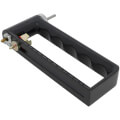

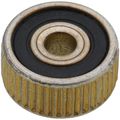
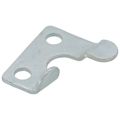


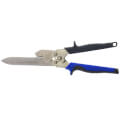


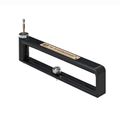
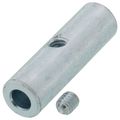
Duct Hole Cutters are adjustable, drill-powered tools that cut clean, round openings in sheet metal ductwork for branch takeoffs, register boots, and flex duct connections. Chucked into a corded or cordless drill, these cutters pivot around a center point to score and cut a circle at whatever diameter the job calls for, instead of requiring a different hole saw for every size. Malco's HC1 model adjusts from 2 inches to 12 inches in diameter, while the HC2 extends that range up to 20 inches, covering the vast majority of round duct sizes installers encounter on residential and light commercial jobs. A single replaceable cutter bit works with either model, so a torn-up bit does not mean replacing the whole tool. Sheet metal installers favor this style of cutter over a jigsaw or aviation snips for round openings because the adjustable arm holds a consistent radius, producing a smoother, more accurate hole with less cleanup. Accuracy like that matters most where a duct collar or boot needs a tight, gasket-free fit against the metal.
Subcategories
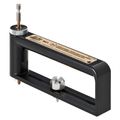
- Standard-Range Adjustable Hole Cutters: Standard-range adjustable hole cutters, like Malco's HC1, dial in anywhere from 2 inches to 12 inches in diameter using a single tool instead of a drawer full of fixed hole saws. Installers chuck the arbor into a corded or cordless drill, set the pivot arm to the needed radius, and cut the opening in one pass. The range covers most residential branch takeoffs, bath fan boots, and register openings encountered on a typical rough-in.
- Extended-Range Adjustable Hole Cutters: Extended-range adjustable cutters, such as Malco's HC2, stretch the same adjustable-arm design out to 20 inches in diameter for larger trunk lines and commercial duct runs. Contractors use the wider range when a job mixes small branch takeoffs with large main trunk penetrations, avoiding the need for a second tool. Both the standard and extended-range cutters install into a drill chuck as small as 1/4 inch.
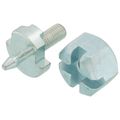
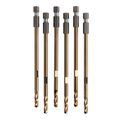
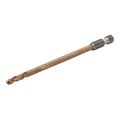
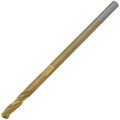
- Replacement Cutter Bits: Replacement cutter bits are the consumable wear part on adjustable duct hole cutters, and a single bit design fits either the standard or extended-range model. The mill-type cutting edge includes a flat that lets an installer adjust the bit's position and extend its usable life before swapping it out. Keeping spare bits on hand avoids downtime mid-job when a bit finally dulls.
Buying Guide
Matching the cutter's adjustment range to the ductwork on a given job is the first decision. A standard adjustable cutter that dials from 2 inches to 12 inches handles nearly every branch takeoff, register boot, and bath fan connection on a residential job, while commercial work with larger trunk lines calls for an extended-range model that reaches 20 inches. Drill compatibility is the next check: most Duct Hole Cutters install into any corded or cordless drill with a chuck that opens to at least 1/4 inch, so there is rarely a compatibility issue on a typical job site truck. Material gauge matters too, since a cutter rated for 22-gauge galvanized steel will struggle or wear out fast on heavier gauge stock, so confirming the tool's rated gauge against the ductwork spec sheet prevents a ruined bit mid-cut. Replacement cutter bits deserve a spot in the truck as well, since the cutting edge dulls faster on heavier gauge metal or high-volume use, and a single bit design typically fits both standard and extended-range tools from the same manufacturer. A lightweight aluminum frame keeps the tool portable for crawlspace and attic work where every extra pound in the tool bag adds up over a long day. Buying one adjustable cutter that covers the full range of duct sizes on a job, plus a spare bit, usually beats carrying a stack of fixed-diameter hole saws that only cover a handful of set sizes each.
Frequently Asked Questions
What size range do duct hole cutters typically cover?
Duct Hole Cutters typically adjust from 2 inches up to 12 inches in diameter on a standard model, with extended-range versions reaching 20 inches for larger trunk line work. A single adjustable tool replaces a whole set of fixed-diameter hole saws.
Do duct hole cutters work with a standard drill?
Most Duct Hole Cutters chuck into any corded or cordless drill, including compact drills with a chuck as small as 1/4 inch. The portability makes them practical for attic, crawlspace, and rooftop duct work where hauling a dedicated tool is not practical.
What gauge of sheet metal can a duct hole cutter handle?
Duct Hole Cutters are commonly rated for 22-gauge galvanized steel, which covers most residential and light commercial ductwork. Cutting heavier gauge material than the tool's rating wears out the cutter bit faster and can produce a rougher edge.
Are the cutting bits on a duct hole cutter replaceable?
Replacement cutter bits are available for Duct Hole Cutters, and a single bit design typically fits both the standard and extended-range models from the same manufacturer. Swapping a dull bit restores clean cutting performance without replacing the whole tool.
Why use an adjustable hole cutter instead of a standard hole saw for ductwork?
An adjustable Duct Hole Cutter dials in to the exact diameter a job needs, instead of requiring a separate fixed-size hole saw for every branch takeoff or register boot. The adjustable arm also holds a consistent radius throughout the cut, producing a smoother, more accurate opening for a tighter fit against duct collars and boots.
