




Miscellaneous Sloan Flush Valves


 --%3E %3Csvg version='1.1' id='No-RB' xmlns='http://www.w3.org/2000/svg' xmlns:xlink='http://www.w3.org/1999/xlink' x='0px' y='0px' viewBox='0 0 100 100' enable-background='new 0 0 100 100' xml:space='preserve'%3E %3Cpath fill='%23CECECE' d='M79.44,0.95H20.56C9.78,0.95,0.95,9.78,0.95,20.56v58.87c0,10.79,8.82,19.61,19.61,19.61h58.87 c10.79,0,19.61-8.83,19.61-19.61V20.56C99.05,9.78,90.22,0.95,79.44,0.95z M65.38,58.24l9.38,29.58L49.69,69.78L24.5,87.82 l9.34-29.6L8.8,39.6l30.73-0.17c0,0,6.98-19.61,10-28.93c0.54,1.36,9.88,29.1,9.88,29.1H91.2L65.38,58.24z'/%3E %3C/svg%3E)



 --%3E %3Csvg version='1.1' id='Fill' xmlns='http://www.w3.org/2000/svg' xmlns:xlink='http://www.w3.org/1999/xlink' x='0px' y='0px' viewBox='0 0 100 100' enable-background='new 0 0 100 100' xml:space='preserve'%3E %3Cpath fill='%23F15C02' d='M79.44,0.95H20.56C9.78,0.95,0.95,9.78,0.95,20.56v58.87c0,10.79,8.82,19.61,19.61,19.61h58.87 c10.79,0,19.61-8.83,19.61-19.61V20.56C99.05,9.78,90.22,0.95,79.44,0.95z M65.38,58.24l9.38,29.58L49.69,69.78L24.5,87.82 l9.34-29.6L8.8,39.6l30.73-0.17c0,0,6.98-19.61,10-28.93c0.54,1.36,9.88,29.1,9.88,29.1H91.2L65.38,58.24z'/%3E %3C/svg%3E)
 --%3E %3Csvg version='1.1' id='With-RB' xmlns='http://www.w3.org/2000/svg' xmlns:xlink='http://www.w3.org/1999/xlink' x='0px' y='0px' viewBox='0 0 100 100' enable-background='new 0 0 100 100' xml:space='preserve'%3E %3Cpath fill='%23FBC8B4' d='M79.44,0.95H20.56C9.78,0.95,0.95,9.78,0.95,20.56v58.87c0,10.79,8.82,19.61,19.61,19.61h58.87 c10.79,0,19.61-8.83,19.61-19.61V20.56C99.05,9.78,90.22,0.95,79.44,0.95z M65.38,58.24l9.38,29.58L49.69,69.78L24.5,87.82 l9.34-29.6L8.8,39.6l30.73-0.17c0,0,6.98-19.61,10-28.93c0.54,1.36,9.88,29.1,9.88,29.1H91.2L65.38,58.24z'/%3E %3C/svg%3E)
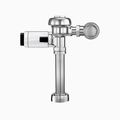
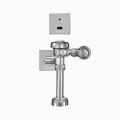
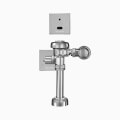
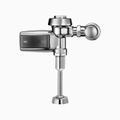
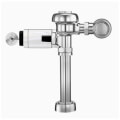
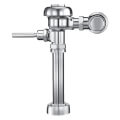
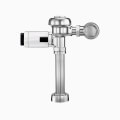
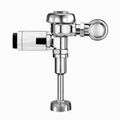

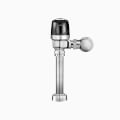
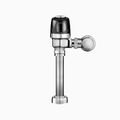
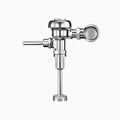
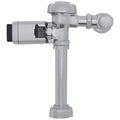
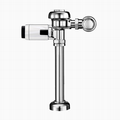
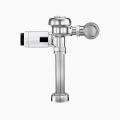
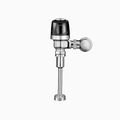

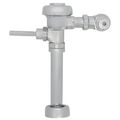
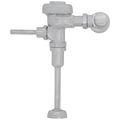
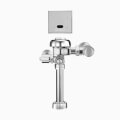
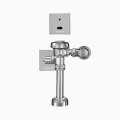
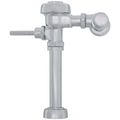
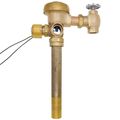
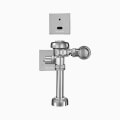
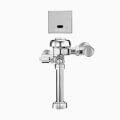
Miscellaneous Sloan Flush Valves cover flushometer models and configurations that fall beyond Sloan's primary Royal, Regal, and G2 lines, including specialty designs built for harsh water conditions or unconventional power sources. Sloan flushometers in general operate on incoming water pressure between 10 and 100 PSI, which covers the range found in most commercial building supply lines. Standard models flush at 1.6 gallons per flush, while water-efficient models bring that down to 1.28 gallons per flush without giving up bowl clearing performance. Mounting comes in exposed and concealed configurations, letting a design call for visible hardware or a fully hidden valve body behind the wall. Restrooms with unusual water quality, limited electrical access, or nonstandard fixture layouts often end up specifying one of these miscellaneous models instead of a standard exposed manual valve. Knowing which specialty features apply, self-cleaning bypass mechanisms or solar charging among them, helps match the right valve to a restroom that a standard flushometer would not handle well.
Subcategories
- Naval Flush Valves: Naval flush valves use a piston-type flushing mechanism instead of the diaphragm design found in most Sloan flushometers. A self-cleaning Xpelor bypass feature keeps the valve clear of sediment and mineral buildup, which makes this line a common choice for buildings on well water or older municipal systems with harsher water quality. Facilities managers dealing with frequent valve fouling from sediment often switch to Naval valves specifically to cut down on service calls. Piston-type construction also tends to hold up under heavier-than-average flush cycles.
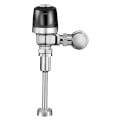
- Solis Flush Valves: Solis flush valves draw power from indoor ambient light instead of batteries or hardwired electrical service. Single-flush and dual-flush versions are both available, giving facilities a way to cut water use further with a dual-flush option where code allows it. Restrooms without easy access to electrical wiring benefit most from this power source, since installation does not require running new circuits. Indoor light levels typical of commercial restrooms are enough to keep the sensor charged during normal operating hours.
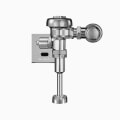
- Concealed (CX Series) Flush Valves: CX series flush valves mount behind the wall instead of exposed on the fixture, hiding the valve body and leaving only the flush actuator visible in the finished restroom. Both manual and sensor-operated CX models are available, covering the same activation choices found in Sloan's exposed lines. Designers specify concealed valves for restrooms where a fully exposed flushometer would clash with the finished wall design. Behind-the-wall mounting also protects the valve body from vandalism in high-traffic public restrooms.
- Retrofit and Reclaimed Water Flush Valves: Retrofit and reclaimed water flush valves address specific facility needs outside a standard new installation. Retrofit models are built to replace an older flushometer without reworking the existing rough-in, matching bolt patterns and connection points already in place. Reclaimed water models carry markings and internal components rated for non-potable water systems, which many municipalities require for retrofit or new construction using reclaimed water. Facilities transitioning part of their water supply to reclaimed sources typically need this designation to stay code compliant.
Buying Guide
Water quality drives a lot of these decisions before power source or mounting even comes into play. Buildings on well water or older municipal systems with sediment issues typically hold up better with a Naval flush valve and its self-cleaning bypass than with a standard diaphragm-style flushometer that clogs more easily under the same conditions.
Power access at the restroom location narrows the field further. A restroom without easy electrical access favors a Solis flush valve, which charges from indoor ambient light rather than a battery that needs periodic replacement or a hardwired circuit that adds installation cost. Restrooms with existing electrical infrastructure can use a standard sensor valve instead without the added consideration of light exposure for charging.
Mounting preference comes down to the finished look of the restroom. Miscellaneous Sloan Flush Valves in the concealed CX series hide the valve body behind the wall, leaving a cleaner finished appearance and added protection against vandalism in high-traffic public facilities, while exposed models keep service access simpler for maintenance staff.
Retrofit and reclaimed water requirements close out the decision. A retrofit designation matches the rough-in of an existing installation without new plumbing work, while a reclaimed water rating satisfies code in facilities running part of their supply on non-potable sources. Confirming which of these factors, water quality, power access, mounting, or water source, applies before ordering narrows the miscellaneous category down to the right model quickly.
Frequently Asked Questions
What makes a Naval flush valve different from a standard Sloan flush valve?
Naval flush valves use a piston-type mechanism with a self-cleaning Xpelor bypass instead of the diaphragm design found in most Sloan flushometers. Sediment and mineral buildup common in well water or older municipal systems clears through the valve more easily as a result. Facilities dealing with frequent valve fouling often switch to this line to cut down on service calls.
How does a Sloan Solis flush valve get power without batteries?
Solis flush valves charge from indoor ambient light instead of relying on batteries or a hardwired electrical connection. Single-flush and dual-flush versions are both available in this line. Restrooms without easy access to electrical wiring benefit most from this power source since no new circuit needs to be run.
What is a concealed flush valve and when does a restroom need one?
A concealed flush valve, such as those in Sloan's CX series, mounts behind the wall instead of exposed on the fixture, leaving only the flush actuator visible. Designers spec this option for restrooms where an exposed flushometer would not match the finished wall design. Behind-the-wall mounting also protects the valve body from vandalism in high-traffic public restrooms.
What is a retrofit flush valve?
A retrofit flush valve replaces an older flushometer without reworking the existing rough-in, matching the bolt pattern and connection points already installed. Facilities updating an older restroom without a full plumbing renovation typically spec this option. Matching the retrofit model to the original valve's connection type keeps the installation straightforward.
What is a reclaimed water flush valve?
A reclaimed water flush valve carries markings and internal components rated for use with non-potable water systems. Facilities running part of their water supply on reclaimed sources typically need this rating to stay code compliant. Municipal code requirements vary, so confirming the local reclaimed water standard before ordering helps match the correct model.
