




PVC x Copper Transition Adapters
 --%3E %3Csvg version='1.1' id='Fill' xmlns='http://www.w3.org/2000/svg' xmlns:xlink='http://www.w3.org/1999/xlink' x='0px' y='0px' viewBox='0 0 100 100' enable-background='new 0 0 100 100' xml:space='preserve'%3E %3Cpath fill='%23F15C02' d='M79.44,0.95H20.56C9.78,0.95,0.95,9.78,0.95,20.56v58.87c0,10.79,8.82,19.61,19.61,19.61h58.87 c10.79,0,19.61-8.83,19.61-19.61V20.56C99.05,9.78,90.22,0.95,79.44,0.95z M65.38,58.24l9.38,29.58L49.69,69.78L24.5,87.82 l9.34-29.6L8.8,39.6l30.73-0.17c0,0,6.98-19.61,10-28.93c0.54,1.36,9.88,29.1,9.88,29.1H91.2L65.38,58.24z'/%3E %3C/svg%3E)

 --%3E %3Csvg version='1.1' id='Half' xmlns='http://www.w3.org/2000/svg' xmlns:xlink='http://www.w3.org/1999/xlink' x='0px' y='0px' viewBox='0 0 100 100' enable-background='new 0 0 100 100' xml:space='preserve'%3E %3Cg%3E %3Cpath fill='%23F15C02' d='M30.05,70.23l3.79-12.01L8.8,39.6l30.73-0.17c0,0,6.98-19.61,10-28.93c0.54,1.36,9.88,29.1,9.88,29.1h1.58 L93.71,7.18c-3.58-3.82-8.66-6.23-14.28-6.23H20.56C9.78,0.95,0.95,9.78,0.95,20.56v58.87c0,5.41,2.22,10.32,5.79,13.88 L30.05,70.23z'/%3E %3C/g%3E %3Cpath fill='%23FBC8B4' d='M93.71,7.18L60.98,39.6H91.2L65.38,58.24l9.38,29.58L49.69,69.78L24.5,87.82l5.55-17.59L6.75,93.32 c3.55,3.54,8.44,5.73,13.82,5.73h58.87c10.79,0,19.61-8.83,19.61-19.61V20.56C99.05,15.4,97.01,10.69,93.71,7.18z'/%3E %3C/svg%3E)
 --%3E %3Csvg version='1.1' id='No-RB' xmlns='http://www.w3.org/2000/svg' xmlns:xlink='http://www.w3.org/1999/xlink' x='0px' y='0px' viewBox='0 0 100 100' enable-background='new 0 0 100 100' xml:space='preserve'%3E %3Cpath fill='%23CECECE' d='M79.44,0.95H20.56C9.78,0.95,0.95,9.78,0.95,20.56v58.87c0,10.79,8.82,19.61,19.61,19.61h58.87 c10.79,0,19.61-8.83,19.61-19.61V20.56C99.05,9.78,90.22,0.95,79.44,0.95z M65.38,58.24l9.38,29.58L49.69,69.78L24.5,87.82 l9.34-29.6L8.8,39.6l30.73-0.17c0,0,6.98-19.61,10-28.93c0.54,1.36,9.88,29.1,9.88,29.1H91.2L65.38,58.24z'/%3E %3C/svg%3E)
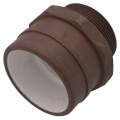
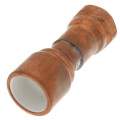
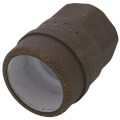
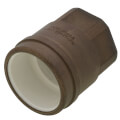
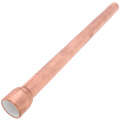
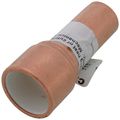
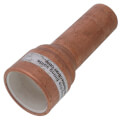
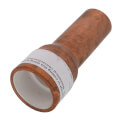
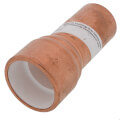
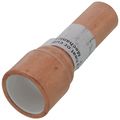

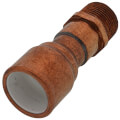
PVC x copper transition adapters join a run of PVC pipe to a copper line without cutting into either material's native connection method, which comes up often in remodel and repair work where an older copper system is being extended or repaired with PVC, or vice versa. One end of the adapter is sized for a solvent-weld PVC joint while the other end is built for a sweat, press, or threaded copper connection, so the fitting itself absorbs the transition rather than requiring a separate coupling and adapter combination. These fittings show up most often in drain, waste, and vent work and in water supply repairs where matching the existing pipe material exactly is not practical or available on hand. Choosing the right adapter means confirming both the PVC side's schedule and the copper side's nominal size match the pipe being connected, since a mismatch on either end defeats the purpose of a single transition fitting.
Subcategories
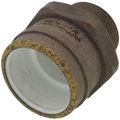
- Slip x Sweat Adapters: Slip x sweat adapters solvent-weld onto the PVC side and solder onto the copper side, making them a common choice for permanent transitions in either supply or drain lines. The solvent-weld end needs the same primer and cement prep as any other PVC joint, while the copper end needs to be clean and fluxed before soldering. These are typically used where both sides of the transition will remain permanently joined without future disassembly. Sizing both ends to match the connected pipe exactly is the main installation check.
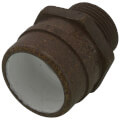
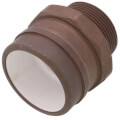
- Threaded Transition Adapters: Threaded transition adapters use a solvent-weld or slip connection on the PVC side and a threaded male or female connection on the copper or brass side, which allows the joint to be disassembled later without cutting pipe. These are useful where a future service disconnect is likely, such as at a water heater connection or a fixture supply line. Thread sealant appropriate for the application, potable water or otherwise, should be used on the threaded side. The PVC side still requires standard solvent-weld prep regardless of the threaded connection type.
- Push-Fit Transition Adapters: Push-fit transition adapters connect to copper tube without soldering, using an internal grip ring and O-ring seal, while the opposite end solvent-welds to PVC pipe. These are useful for repair work in tight or wet spaces where soldering is impractical or unsafe, such as near existing water damage or in an occupied space where open flame is a concern. The copper end still requires a clean, deburred pipe end for the internal seal to grip properly. The PVC side follows standard solvent-weld installation practice.
Buying Guide
Selecting a PVC x copper transition adapter starts with confirming the nominal pipe size on both sides of the connection, since the fitting has to match the existing PVC pipe schedule on one end and the copper tube size on the other, and these are not always the same nominal size once wall thickness is accounted for. The connection method on the copper side is the next decision: sweat fittings solder permanently and suit finished installations that will not need future disassembly, threaded fittings allow a later disconnect at a fixture or appliance, and push-fit fittings avoid soldering entirely for repair situations where open flame is impractical. Application matters as much as pipe size, since a water supply transition calls for potable-rated materials and thread sealant, while a drain, waste, and vent transition has different pressure and sealing requirements. Installation prep differs by connection type: the PVC side always needs standard primer and solvent cement regardless of what the copper side uses, while the copper side needs either a clean fluxed and soldered joint, a properly prepared thread, or a clean deburred tube end for a push-fit connection. Confirming local code allows a PVC-to-copper transition in the specific application, particularly for water supply lines, is worth checking before installation, since requirements vary by jurisdiction and application. Keeping a small stock of the common connection types on a service vehicle covers most repair calls that involve joining dissimilar pipe materials.
Frequently Asked Questions
When would I need a PVC x copper transition adapter?
These fittings come up in remodel and repair work where a run needs to switch between PVC and copper pipe, such as extending an older copper system with PVC or repairing a PVC drain line with an available copper fitting.
What is the difference between a sweat and a threaded transition adapter?
A sweat adapter solders permanently to the copper side and suits finished installations that will not be disassembled. A threaded adapter allows a future disconnect without cutting pipe, useful at a fixture or appliance connection.
Can a PVC x copper adapter be used without soldering?
Yes, push-fit transition adapters connect to copper tube using an internal grip ring and seal instead of solder, which is useful in tight spaces or where open flame is impractical.
Does the PVC side installation change depending on the copper connection type?
No. The PVC side always uses standard solvent-weld prep with primer and cement regardless of whether the copper side is sweat, threaded, or push-fit.
Are PVC x copper transition adapters suitable for water supply lines?
They can be, but local code should be checked for the specific application, since requirements for potable water supply transitions vary by jurisdiction.
