




Pipe Fittings & Nipples
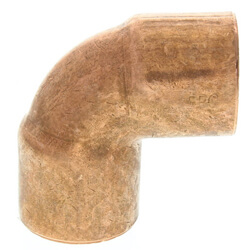
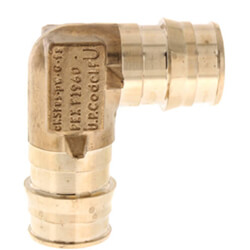
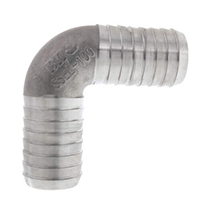
Pipe fittings and nipples are connectors and short pipe sections that join, branch, and terminate piping runs. They are used across plumbing, HVAC, and refrigeration systems. The category spans materials from black and galvanized steel to copper, brass, stainless steel, and various plastics. Connection methods range from threaded and soldered to press-fit and push-fit systems. Plumbers and HVAC technicians select from this range constantly, since almost every piping job requires fittings to change direction, branch a line, or transition between pipe sizes and materials.
Getting the fitting material and connection type right affects both the integrity of the finished system and how quickly it can be installed. A gas line calls for fittings rated specifically for that application, while a refrigerant line needs press or braze fittings rated for the system's operating pressure. This category includes many pipe materials and connection systems. Matching the fitting to the exact pipe material, size, and application prevents leaks and failed inspections down the line.



-new-main.jpg)
-new-main.jpg)



















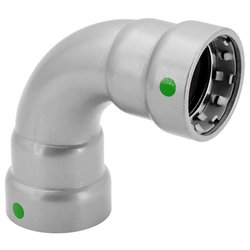

Subcategories
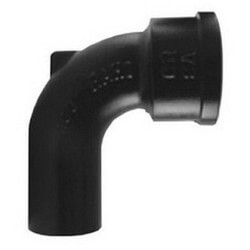
- ABS DWV Fittings: ABS DWV fittings connect black ABS plastic pipe used in drain, waste, and vent systems, joining with solvent cement rather than mechanical connections. ABS is common in colder climates where its impact resistance holds up better than PVC. Plumbers match fitting type to whether the run is a straight drain line, a vent, or a directional change.
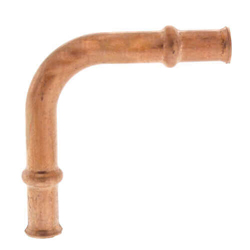
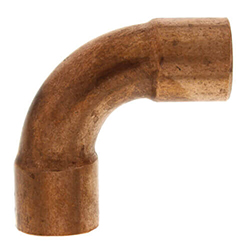
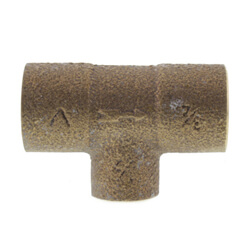
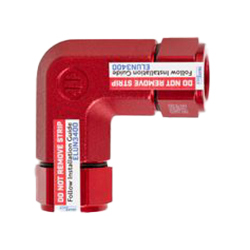
- ACR Copper Fittings: ACR copper fittings are cleaned and capped specifically for air conditioning and refrigeration line sets, meeting the cleanliness standards refrigerant systems require to avoid contamination. They differ from standard plumbing copper fittings in how they're manufactured and packaged, even when the base dimensions look similar. HVAC technicians use ACR-rated fittings any time they're brazing a refrigerant line connection.
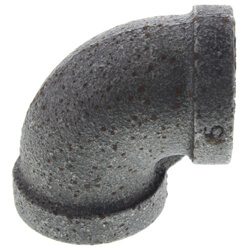
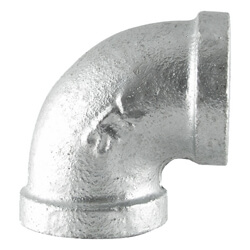
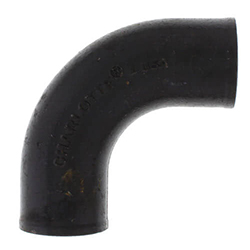
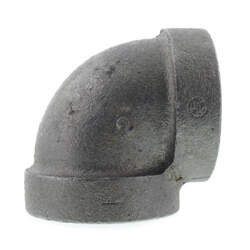
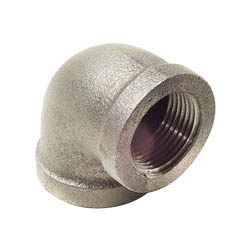
- Black Fittings (Domestic): Black fittings, sold in both domestic and imported lines, are malleable iron fittings used primarily for gas piping and some compressed air applications. Domestic and imported versions can differ slightly in wall thickness and finish, which is why some jurisdictions or specifications call out one over the other. Threaded connections on black fittings need to be sealed with a compound or tape rated for gas service.
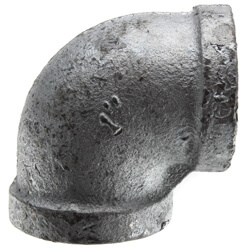
- Black Fittings (Imported): Imported black fittings are the import-manufactured counterpart to domestic black malleable iron fittings, used in the same gas and compressed air applications. Some specifications or local codes prefer domestic-manufactured fittings for certain pressure-rated applications, so checking project requirements before substituting is worth doing. Both versions use the same threaded connection method.
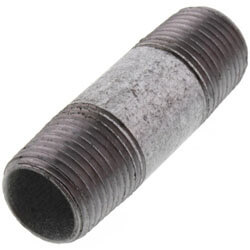
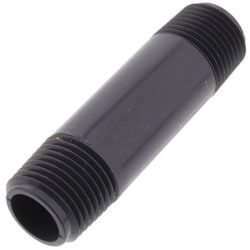
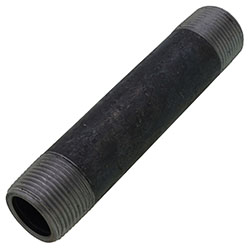
- Black Nipples (Domestic): Black nipples, available in both domestic and imported versions, are short threaded pipe sections. They connect fittings or extend a short run within a gas or compressed air system. Nipple length is specified precisely for the application, since too short a nipple can strip threads on assembly and too long adds unnecessary joints. They pair with black fittings to complete threaded gas piping assemblies.
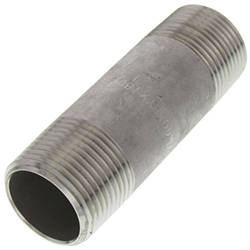
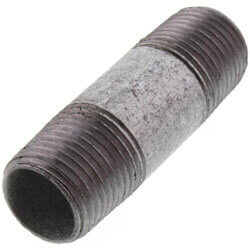
- Black Nipples (Imported): Imported black nipples serve the same function as domestic black nipples, connecting fittings in gas and compressed air piping systems, but are manufactured overseas. Pricing and availability can differ between domestic and imported versions. Contractors can choose based on project budget and specification requirements. Both are threaded to standard pipe thread dimensions for compatibility with black fittings.
Buying Guide
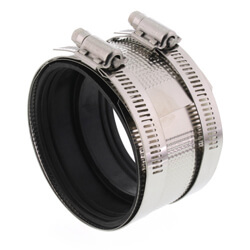
Identify the pipe material already in place before ordering fittings. Copper, PVC, ABS, black steel, and galvanized steel each require fittings made for that specific material and connection method. Mixing materials without an approved transition fitting risks a failed connection.
Match the fitting to the application, not just the pipe material. Gas piping, refrigerant lines, and potable water systems each have different fitting requirements even when the base pipe material is similar. A fitting rated for water use isn't automatically appropriate for a gas or refrigerant line.
Consider connection method based on the job's time constraints and required skill level. Press and push-fit fittings install faster and require less specialized tooling than soldered or threaded connections. Soldered and threaded methods remain standard in many applications and are sometimes required by code.
Check for domestic versus imported options where both exist. Some specifications, particularly for gas piping, call for domestically manufactured fittings, so confirming the project's requirements before ordering avoids having to source a replacement later.
Order nipples in the exact length needed for the application rather than rounding up or down. An incorrect nipple length can mean stripped threads during installation or an awkward fit that puts stress on the connection. Measuring the actual gap before ordering saves a return trip.
Frequently Asked Questions
Can I mix copper and PVC fittings on the same pipe run?
Not directly. Connecting different pipe materials requires an approved transition fitting designed for that specific material combination, since copper and PVC fittings aren't compatible on their own.
What's the difference between ACR copper fittings and standard copper fittings?
ACR copper fittings are cleaned and capped to a standard specifically for refrigerant system cleanliness. Standard copper plumbing fittings don't need to meet that same level of internal cleanliness. HVAC technicians should always use ACR-rated fittings on refrigerant lines.
Do I need special fittings for gas piping?
Yes, gas piping typically uses black malleable iron fittings with threaded connections sealed by a gas-rated compound or tape. Local code should be checked, since some jurisdictions have specific requirements for gas piping materials and connection methods.
Should I choose domestic or imported black fittings?
Both are functional for most applications, but some project specifications or local codes call for domestically manufactured fittings, particularly for gas piping. Checking the job's specification before ordering avoids having to redo the work with a different fitting source.
How do I determine what nipple length I need?
Measure the actual gap between the two fittings or connection points being joined rather than estimating. Nipples come in fixed lengths, and an incorrect length can either strip threads on installation or leave excess stress on the joint.
Resources
Subcategories
- ABS DWV Fittings: ABS DWV fittings connect black ABS plastic pipe used in drain, waste, and vent systems, joining with solvent cement rather than mechanical connections. ABS is common in colder climates where its impact resistance holds up better than PVC. Plumbers match fitting type to whether the run is a straight drain line, a vent, or a directional change.
- ACR Copper Fittings: ACR copper fittings are cleaned and capped specifically for air conditioning and refrigeration line sets, meeting the cleanliness standards refrigerant systems require to avoid contamination. They differ from standard plumbing copper fittings in how they're manufactured and packaged, even when the base dimensions look similar. HVAC technicians use ACR-rated fittings any time they're brazing a refrigerant line connection.
- Black Fittings (Domestic): Black fittings, sold in both domestic and imported lines, are malleable iron fittings used primarily for gas piping and some compressed air applications. Domestic and imported versions can differ slightly in wall thickness and finish, which is why some jurisdictions or specifications call out one over the other. Threaded connections on black fittings need to be sealed with a compound or tape rated for gas service.
- Black Fittings (Imported): Imported black fittings are the import-manufactured counterpart to domestic black malleable iron fittings, used in the same gas and compressed air applications. Some specifications or local codes prefer domestic-manufactured fittings for certain pressure-rated applications, so checking project requirements before substituting is worth doing. Both versions use the same threaded connection method.
- Black Nipples (Domestic): Black nipples, available in both domestic and imported versions, are short threaded pipe sections. They connect fittings or extend a short run within a gas or compressed air system. Nipple length is specified precisely for the application, since too short a nipple can strip threads on assembly and too long adds unnecessary joints. They pair with black fittings to complete threaded gas piping assemblies.
- Black Nipples (Imported): Imported black nipples serve the same function as domestic black nipples, connecting fittings in gas and compressed air piping systems, but are manufactured overseas. Pricing and availability can differ between domestic and imported versions. Contractors can choose based on project budget and specification requirements. Both are threaded to standard pipe thread dimensions for compatibility with black fittings.
Buying Guide
Identify the pipe material already in place before ordering fittings. Copper, PVC, ABS, black steel, and galvanized steel each require fittings made for that specific material and connection method. Mixing materials without an approved transition fitting risks a failed connection.
Match the fitting to the application, not just the pipe material. Gas piping, refrigerant lines, and potable water systems each have different fitting requirements even when the base pipe material is similar. A fitting rated for water use isn't automatically appropriate for a gas or refrigerant line.
Consider connection method based on the job's time constraints and required skill level. Press and push-fit fittings install faster and require less specialized tooling than soldered or threaded connections. Soldered and threaded methods remain standard in many applications and are sometimes required by code.
Check for domestic versus imported options where both exist. Some specifications, particularly for gas piping, call for domestically manufactured fittings, so confirming the project's requirements before ordering avoids having to source a replacement later.
Order nipples in the exact length needed for the application rather than rounding up or down. An incorrect nipple length can mean stripped threads during installation or an awkward fit that puts stress on the connection. Measuring the actual gap before ordering saves a return trip.
Frequently Asked Questions
Can I mix copper and PVC fittings on the same pipe run?
Not directly. Connecting different pipe materials requires an approved transition fitting designed for that specific material combination, since copper and PVC fittings aren't compatible on their own.
What's the difference between ACR copper fittings and standard copper fittings?
ACR copper fittings are cleaned and capped to a standard specifically for refrigerant system cleanliness. Standard copper plumbing fittings don't need to meet that same level of internal cleanliness. HVAC technicians should always use ACR-rated fittings on refrigerant lines.
Do I need special fittings for gas piping?
Yes, gas piping typically uses black malleable iron fittings with threaded connections sealed by a gas-rated compound or tape. Local code should be checked, since some jurisdictions have specific requirements for gas piping materials and connection methods.
Should I choose domestic or imported black fittings?
Both are functional for most applications, but some project specifications or local codes call for domestically manufactured fittings, particularly for gas piping. Checking the job's specification before ordering avoids having to redo the work with a different fitting source.
How do I determine what nipple length I need?
Measure the actual gap between the two fittings or connection points being joined rather than estimating. Nipples come in fixed lengths, and an incorrect length can either strip threads on installation or leave excess stress on the joint.