




Filters
SORT
Product Availability –
Size –
PEX Size –
Review Score –
 --%3E %3Csvg version='1.1' id='Fill' xmlns='http://www.w3.org/2000/svg' xmlns:xlink='http://www.w3.org/1999/xlink' x='0px' y='0px' viewBox='0 0 100 100' enable-background='new 0 0 100 100' xml:space='preserve'%3E %3Cpath fill='%23F15C02' d='M79.44,0.95H20.56C9.78,0.95,0.95,9.78,0.95,20.56v58.87c0,10.79,8.82,19.61,19.61,19.61h58.87 c10.79,0,19.61-8.83,19.61-19.61V20.56C99.05,9.78,90.22,0.95,79.44,0.95z M65.38,58.24l9.38,29.58L49.69,69.78L24.5,87.82 l9.34-29.6L8.8,39.6l30.73-0.17c0,0,6.98-19.61,10-28.93c0.54,1.36,9.88,29.1,9.88,29.1H91.2L65.38,58.24z'/%3E %3C/svg%3E)
 --%3E %3Csvg version='1.1' id='With-RB' xmlns='http://www.w3.org/2000/svg' xmlns:xlink='http://www.w3.org/1999/xlink' x='0px' y='0px' viewBox='0 0 100 100' enable-background='new 0 0 100 100' xml:space='preserve'%3E %3Cpath fill='%23FBC8B4' d='M79.44,0.95H20.56C9.78,0.95,0.95,9.78,0.95,20.56v58.87c0,10.79,8.82,19.61,19.61,19.61h58.87 c10.79,0,19.61-8.83,19.61-19.61V20.56C99.05,9.78,90.22,0.95,79.44,0.95z M65.38,58.24l9.38,29.58L49.69,69.78L24.5,87.82 l9.34-29.6L8.8,39.6l30.73-0.17c0,0,6.98-19.61,10-28.93c0.54,1.36,9.88,29.1,9.88,29.1H91.2L65.38,58.24z'/%3E %3C/svg%3E)
Price Range –
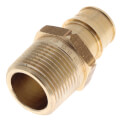
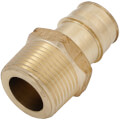
ProPEX Male Adapters





 --%3E %3Csvg version='1.1' id='No-RB' xmlns='http://www.w3.org/2000/svg' xmlns:xlink='http://www.w3.org/1999/xlink' x='0px' y='0px' viewBox='0 0 100 100' enable-background='new 0 0 100 100' xml:space='preserve'%3E %3Cpath fill='%23CECECE' d='M79.44,0.95H20.56C9.78,0.95,0.95,9.78,0.95,20.56v58.87c0,10.79,8.82,19.61,19.61,19.61h58.87 c10.79,0,19.61-8.83,19.61-19.61V20.56C99.05,9.78,90.22,0.95,79.44,0.95z M65.38,58.24l9.38,29.58L49.69,69.78L24.5,87.82 l9.34-29.6L8.8,39.6l30.73-0.17c0,0,6.98-19.61,10-28.93c0.54,1.36,9.88,29.1,9.88,29.1H91.2L65.38,58.24z'/%3E %3C/svg%3E)


ProPEX Male Adapters are the fittings that transition Uponor PEX-a tubing to male NPT threads for connecting into valves, manifolds, and threaded fixture connections. The line is available in lead-free brass, compliant with ASTM F1960 and NSF/ANSI standards for potable plumbing as well as non-potable heating and cooling applications, and in engineered polymer as a non-metallic alternative. Installing one requires a ProPEX expansion tool, since the fitting relies on the PEX tubing's memory to shrink back down over a ring rather than a crimp or solvent joint. Plumbers and radiant heating installers reach for these adapters anywhere a PEX-a run needs to land on a threaded port, whether that's a shutoff valve, a manifold loop, or a fixture supply stop, and choosing the correct material keeps the connection compatible with the rest of the system's fittings.
Subcategories
- Lead-Free Brass Male Adapters: Lead-free brass male adapters connect ProPEX tubing to male NPT threads and are compliant with ASTM F1960 and NSF/ANSI standards for potable plumbing as well as non-potable heating and cooling systems. Plumbers use the lead-free brass line on domestic water systems where code requires lead-free rated fittings at every joint. Sizes run from 1/2 inch up through 2 inch PEX connections in the standard lead-free brass line. Matched and mismatched thread combinations, such as a 1 inch PEX by 3/4 inch NPT adapter, let a single PEX size transition down to a smaller threaded port.
- Engineered Polymer (EP) Male Adapters: Engineered polymer male adapters use a non-metallic fitting body instead of brass while keeping the same ProPEX expansion connection on the tubing side. Installers pick the EP line on jobs where a non-metallic fitting is preferred or where brass isn't compatible with the water chemistry in the system. The polymer body threads into standard male NPT connections the same way the brass version does. Uponor manufactures the EP male adapter line alongside its brass equivalents for the same size range.
- Standard (Non-Lead-Free) Brass Male Adapters: Standard brass male adapters use the same ProPEX expansion connection but aren't rated for potable plumbing where lead-free fittings are required by code. Installers use this line on hydronic radiant heat loops, snow melt systems, and other non-potable heating and cooling applications where lead-free certification isn't a code requirement. The brass body threads into standard male NPT ports the same as the lead-free version. Confirming local plumbing code before choosing standard versus lead-free brass keeps the installation compliant.
Buying Guide
Check the application first. A domestic water line or any potable plumbing connection requires the lead-free brass line, since standard brass and non-lead-free fittings aren't code compliant on a potable system. A radiant heat loop, snow melt system, or other non-potable heating application can use either lead-free or standard brass, and some installers pick lead-free across the board to keep one fitting type on the truck for every job. ProPEX Male Adapters in engineered polymer are worth considering where a non-metallic fitting fits the water chemistry better than brass, or simply to cut down on metal fittings on a large radiant manifold layout. Match the PEX side to the tubing size already run, and match the NPT side to the port it's threading into, since mismatched thread adapters exist specifically to step a larger PEX size down to a smaller threaded connection. A ProPEX expansion tool sized for the PEX diameter being installed is required on every job, along with the correct ProPEX expansion rings, since rings are sold separately from the adapter itself. Confirm the tubing is genuine Uponor PEX-a before expanding, since the ProPEX system depends on the tubing's memory characteristics to reseal tightly around the fitting. Inspect the expanded connection after it cools to confirm the tubing has fully contracted around the fitting's barbs before pressurizing the system.
Frequently Asked Questions
What's the difference between lead-free and standard brass ProPEX male adapters?
Lead-free brass adapters meet ASTM F1960 and NSF/ANSI standards for potable plumbing along with non-potable heating and cooling use, while standard brass adapters are typically limited to non-potable applications like radiant heat and snow melt loops. Local plumbing code determines which line is required on a domestic water system. Checking code before ordering keeps the installation compliant from the start.
Do ProPEX male adapters need a special tool to install?
A ProPEX expansion tool sized to the tubing diameter is required to install any ProPEX male adapter, since the connection depends on the tubing shrinking back around a ring rather than a crimp or solvent joint. ProPEX expansion rings are sold separately from the adapter itself. Using the correctly sized tool and ring for the PEX diameter keeps the expanded joint sealing properly.
Can an engineered polymer male adapter be used instead of brass?
Engineered polymer male adapters use the same ProPEX expansion connection as the brass line while swapping in a non-metallic fitting body. Installers pick the polymer line where a non-metallic fitting suits the water chemistry better or to cut down on metal fittings across a large manifold layout. The polymer adapter threads into standard male NPT connections the same way the brass version does.
What sizes are available for ProPEX male adapters?
The lead-free brass male adapter line covers sizes from 1/2 inch up through 2 inch PEX connections, including mismatched configurations like a 1 inch PEX by 3/4 inch NPT adapter. Matching the PEX side to the tubing already run and the NPT side to the port it threads into determines which specific adapter fits a given connection. Mismatched adapters exist specifically to step a larger PEX size down to a smaller threaded port.
How can I confirm a ProPEX expansion connection was made correctly?
Inspecting the joint after the expanded tubing cools confirms whether the PEX has fully contracted back around the fitting's barbs. A connection that hasn't fully contracted looks loose at the collar and should be re-expanded rather than pressurized. Pressurizing a system before the tubing has fully resealed around the fitting risks a leak at that joint.
