




Filters
SORT
Product Availability –
BTU Input –
BTU Output –
Mount –
Horse Power –
Review Score –
 --%3E %3Csvg version='1.1' id='Fill' xmlns='http://www.w3.org/2000/svg' xmlns:xlink='http://www.w3.org/1999/xlink' x='0px' y='0px' viewBox='0 0 100 100' enable-background='new 0 0 100 100' xml:space='preserve'%3E %3Cpath fill='%23F15C02' d='M79.44,0.95H20.56C9.78,0.95,0.95,9.78,0.95,20.56v58.87c0,10.79,8.82,19.61,19.61,19.61h58.87 c10.79,0,19.61-8.83,19.61-19.61V20.56C99.05,9.78,90.22,0.95,79.44,0.95z M65.38,58.24l9.38,29.58L49.69,69.78L24.5,87.82 l9.34-29.6L8.8,39.6l30.73-0.17c0,0,6.98-19.61,10-28.93c0.54,1.36,9.88,29.1,9.88,29.1H91.2L65.38,58.24z'/%3E %3C/svg%3E)
 --%3E %3Csvg version='1.1' id='With-RB' xmlns='http://www.w3.org/2000/svg' xmlns:xlink='http://www.w3.org/1999/xlink' x='0px' y='0px' viewBox='0 0 100 100' enable-background='new 0 0 100 100' xml:space='preserve'%3E %3Cpath fill='%23FBC8B4' d='M79.44,0.95H20.56C9.78,0.95,0.95,9.78,0.95,20.56v58.87c0,10.79,8.82,19.61,19.61,19.61h58.87 c10.79,0,19.61-8.83,19.61-19.61V20.56C99.05,9.78,90.22,0.95,79.44,0.95z M65.38,58.24l9.38,29.58L49.69,69.78L24.5,87.82 l9.34-29.6L8.8,39.6l30.73-0.17c0,0,6.98-19.61,10-28.93c0.54,1.36,9.88,29.1,9.88,29.1H91.2L65.38,58.24z'/%3E %3C/svg%3E)
Price Range –
Reznor Unit Heaters


 --%3E %3Csvg version='1.1' id='No-RB' xmlns='http://www.w3.org/2000/svg' xmlns:xlink='http://www.w3.org/1999/xlink' x='0px' y='0px' viewBox='0 0 100 100' enable-background='new 0 0 100 100' xml:space='preserve'%3E %3Cpath fill='%23CECECE' d='M79.44,0.95H20.56C9.78,0.95,0.95,9.78,0.95,20.56v58.87c0,10.79,8.82,19.61,19.61,19.61h58.87 c10.79,0,19.61-8.83,19.61-19.61V20.56C99.05,9.78,90.22,0.95,79.44,0.95z M65.38,58.24l9.38,29.58L49.69,69.78L24.5,87.82 l9.34-29.6L8.8,39.6l30.73-0.17c0,0,6.98-19.61,10-28.93c0.54,1.36,9.88,29.1,9.88,29.1H91.2L65.38,58.24z'/%3E %3C/svg%3E)
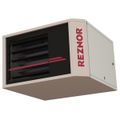
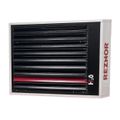
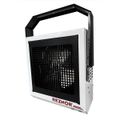
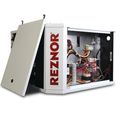
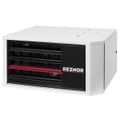
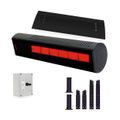

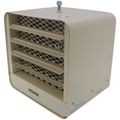
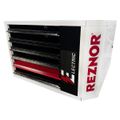
Reznor Unit Heaters are gas-fired and electric space heating units designed to mount from a ceiling or wall in warehouses, auto shops, restaurants, and other commercial buildings with high ceilings and open floor plans. Reznor has manufactured unit heaters for more than 90 years as part of a company history spanning over 130 years in the heating industry, and its current lineup includes both gas-fired models built around a heat exchanger and electric models suited to spaces where gas service is not available or practical.
A unit heater draws in room air, passes it across a heat exchanger or electric element, and pushes the warmed air back into the space with an integral fan, avoiding the ductwork a central furnace typically requires. That direct approach suits large open spaces where running duct to every corner of the building would add significant cost and complexity to a heating retrofit.
Subcategories
- Gas-Fired Unit Heaters: Gas-fired unit heaters burn natural gas or propane across a heat exchanger, then use an integral fan to push warmed air into the space. Auto shops, warehouses, and other buildings with existing gas service commonly install these as the primary heat source for open floor areas.
- Electric Unit Heaters: Electric unit heaters replace the gas burner and heat exchanger with an electric heating element, suiting spaces without gas service or where local code restricts combustion appliances. Restaurants and smaller commercial spaces sometimes choose electric models for a simpler installation without venting requirements.
- Suspended and Horizontal Mount Heaters: Suspended and horizontal mount heaters hang from ceiling brackets and direct airflow across the room, keeping floor space clear in shops and warehouses where equipment and foot traffic need the room. Mounting height and airflow direction both factor into even heat distribution across a large open area.
- Replacement Parts and Accessories: Replacement parts and accessories cover the burners, motors, and control components that keep an existing unit heater running through repeated heating seasons. Facilities that run unit heaters for years between full replacements rely on these parts to extend the service life of equipment already installed.
Buying Guide
Sizing a unit heater starts with the square footage and ceiling height of the space, since a heater rated too small struggles to bring a large open area up to temperature in cold weather, while an oversized unit cycles more than necessary and adds upfront cost without a real comfort benefit. Ceiling height also affects mounting position and airflow pattern, since air thrown from too high a mount may not reach the occupied zone near the floor.
Fuel source narrows the decision considerably. Buildings with existing natural gas or propane service typically install gas-fired models for lower operating cost, while spaces without gas service, or where local code restricts combustion appliances, often turn to electric unit heaters instead. Reznor Unit Heaters span both fuel types, so matching the heater to the building's existing utility connections simplifies installation.
Ventilation and combustion air requirements matter for any gas-fired model, and a technician should confirm the space provides adequate makeup air before installation. Electric models skip this requirement entirely, which can make them a simpler retrofit option in a tightly sealed building.
Replacement parts availability also plays into a long term decision, since unit heaters in commercial buildings often stay in service for many years. Choosing a model line with widely stocked burners, motors, and control parts keeps future repairs straightforward rather than requiring a full unit swap when a single component wears out.
Frequently Asked Questions
What size building can a single Reznor unit heater handle?
Heater capacity depends on the square footage, ceiling height, and how well insulated the space is, so a technician typically calculates the heat load before selecting a model rather than sizing off floor area alone. Larger open spaces sometimes need multiple heaters positioned to cover the whole floor evenly.
Are gas-fired unit heaters more efficient than electric models?
Gas-fired unit heaters generally cost less to run in buildings with existing natural gas service, since gas typically costs less per unit of heat than electricity in most markets. Electric models remain a practical choice where gas service is not available or where local code restricts combustion appliances.
How high should a unit heater be mounted?
Mounting height depends on the heater's airflow pattern and the ceiling height of the space, since air thrown from too high a position may not reach the occupied zone near the floor. Manufacturer mounting guidelines for a specific model account for airflow throw distance at different heights.
Does a gas-fired unit heater need a dedicated vent?
Most gas-fired unit heaters vent combustion byproducts outside the building through a flue, and the specific venting method depends on whether the model is a power vented or standard atmospheric design. Confirming the space provides adequate makeup air alongside proper venting keeps combustion safe.
What maintenance do unit heaters typically need?
Unit heaters need periodic burner and heat exchanger inspection on gas-fired models, along with motor and fan bearing checks across both gas and electric versions. Seasonal inspection before the heating season begins catches worn components before they cause a no heat call.
