




Rotary Cam Switches

 --%3E %3Csvg version='1.1' id='No-RB' xmlns='http://www.w3.org/2000/svg' xmlns:xlink='http://www.w3.org/1999/xlink' x='0px' y='0px' viewBox='0 0 100 100' enable-background='new 0 0 100 100' xml:space='preserve'%3E %3Cpath fill='%23CECECE' d='M79.44,0.95H20.56C9.78,0.95,0.95,9.78,0.95,20.56v58.87c0,10.79,8.82,19.61,19.61,19.61h58.87 c10.79,0,19.61-8.83,19.61-19.61V20.56C99.05,9.78,90.22,0.95,79.44,0.95z M65.38,58.24l9.38,29.58L49.69,69.78L24.5,87.82 l9.34-29.6L8.8,39.6l30.73-0.17c0,0,6.98-19.61,10-28.93c0.54,1.36,9.88,29.1,9.88,29.1H91.2L65.38,58.24z'/%3E %3C/svg%3E)
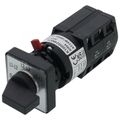

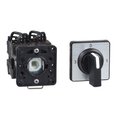
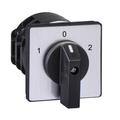
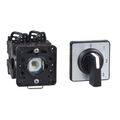
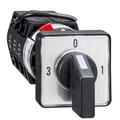
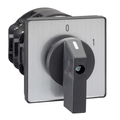
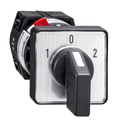
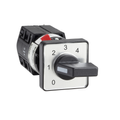

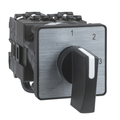
Rotary cam switches are multi-position electrical switches that use a rotating cam to open and close internal contacts as the shaft is turned, giving equipment a manual way to select between speeds, modes, or circuits. Electricians and HVAC technicians install them on motor control panels, fan speed selectors, and equipment where a simple, durable manual switch is more practical than an electronic control board. Because the switching mechanism is entirely mechanical, these switches hold up well in panels that see frequent manual operation over many years.
Selection typically comes down to the number of positions needed, the current rating of the load being switched, and the panel cutout size the switch has to fit. Maintenance crews often keep a small assortment on hand since a failed cam switch on a piece of production or HVAC equipment can bring a whole line or system to a stop until it's replaced.
Subcategories
- Motor Control Switches: Motor control cam switches select between run, off, and reverse or between multiple speed taps on a motor. Panel builders and maintenance electricians rely on these where a motor needs manual direction or speed control without a variable frequency drive. Contact ratings vary by model, so matching the switch to the motor's actual running current is essential. These switches typically mount through a panel face with a knob or handle on the front.
- Fan Speed Selector Switches: Fan speed selector switches step between low, medium, and high fan speeds on HVAC equipment and exhaust systems. Technicians replace these most often when a customer reports a fan stuck on one speed or unresponsive to the selector knob. The switch simply routes power to a different motor winding or resistor tap at each position rather than varying voltage continuously. Terminal configuration needs to match the original wiring exactly during replacement.
- Multi-Circuit Selector Switches: Multi-circuit selector switches route power between several independent circuits from a single control point, common on equipment with multiple heating elements or pump stages. Facility maintenance staff use them where sequencing circuits manually is simpler than adding a controller. Position count and pole configuration are the key specs to match on replacement. These switches are typically heavier-duty than simple two-position toggle switches given the multiple circuits they carry.
Buying Guide
Choosing a rotary cam switch starts with counting positions and poles on the failed unit, since a switch with the wrong number of stops won't replicate the original control sequence even if it physically fits the panel cutout. Current and voltage rating come next, and it's worth sizing to the actual running load of the motor or circuit rather than the switch's maximum rating, to leave a margin for inrush current on motor starts.
Panel cutout size and mounting depth matter as much as the electrical specs. A rotary cam switch that doesn't match the existing cutout means modifying the panel, which adds labor time that a correctly sized replacement avoids entirely.
For fan speed and motor control applications, confirming the terminal layout against the original wiring diagram before ordering prevents a mismatched rewire in the field. Multi-circuit selector switches in particular can have several similarly rated models with different internal contact arrangements, so the position-by-position switching pattern needs to match, not just the pole and position count.
Contractors who service the same brand of equipment repeatedly benefit from stocking the specific rotary cam switch models that equipment uses, since these switches are often equipment-specific rather than interchangeable across manufacturers.
Frequently Asked Questions
How can I tell if a rotary cam switch has failed versus a wiring fault?
A continuity check across the switch's terminals at each position will show whether the internal contacts are making and breaking correctly. If the switch shows no continuity at a position that should be closed, the switch itself has likely failed rather than the wiring.
Can a rotary cam switch be used to control a variable-speed motor?
Rotary cam switches select between fixed, predetermined settings rather than providing continuously variable control, so they work well for stepped speed selection but aren't a substitute for a variable frequency drive on applications that need true variable speed.
What happens if I install a switch with fewer positions than the original?
Any operating modes tied to the missing positions become unavailable, and depending on the wiring, the switch may not seat or turn correctly in the panel. Matching position count to the original is important for both function and fit.
Are rotary cam switches rated for outdoor equipment?
Some models are rated for outdoor or wash-down environments while others are intended for indoor panels only. The enclosure rating needs to be checked against the installation environment rather than assumed from the switch's general appearance.
How long do rotary cam switches typically last in service?
Service life depends heavily on switching frequency and load, since these are mechanical devices with moving contacts. Equipment that's switched several times a day will wear a cam switch faster than one operated only occasionally.
