




Surge Protectors


 --%3E %3Csvg version='1.1' id='No-RB' xmlns='http://www.w3.org/2000/svg' xmlns:xlink='http://www.w3.org/1999/xlink' x='0px' y='0px' viewBox='0 0 100 100' enable-background='new 0 0 100 100' xml:space='preserve'%3E %3Cpath fill='%23CECECE' d='M79.44,0.95H20.56C9.78,0.95,0.95,9.78,0.95,20.56v58.87c0,10.79,8.82,19.61,19.61,19.61h58.87 c10.79,0,19.61-8.83,19.61-19.61V20.56C99.05,9.78,90.22,0.95,79.44,0.95z M65.38,58.24l9.38,29.58L49.69,69.78L24.5,87.82 l9.34-29.6L8.8,39.6l30.73-0.17c0,0,6.98-19.61,10-28.93c0.54,1.36,9.88,29.1,9.88,29.1H91.2L65.38,58.24z'/%3E %3C/svg%3E)
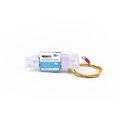

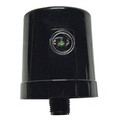

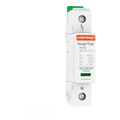



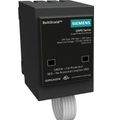
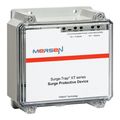


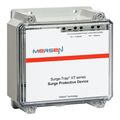


Surge Protectors are devices that guard electrical equipment against damaging voltage events, and the sampled listings include a junction box kit, surge panels, and a voltage monitor. The Leviton B Series Type 2 unit for 240 VAC three phase delta lists a max surge current rating of 65kA per mode and 130kA per phase, along with a 200kA short circuit current rating. The Intermatic AG Series covers Type 1 and Type 2 applications and is CSA listed to ANSI/UL1449 3rd edition. The Rectorseal RSH-VRM60A voltage range monitor watches the line for overvoltage and undervoltage conditions. Matching the device type, voltage, and phase to the service matters because a protector rated for the wrong system either won't fit the install or won't deliver the protection the job calls for.
Subcategories
- Three Phase Surge Protective Devices: The Leviton B Series is a Type 2 surge protective device for 240 VAC three phase delta service. It lists thermally protected MOVs, LED status monitoring, an audible alarm, UL 1449 listing, and a max surge current rating of 65kA per mode. Contractors install it on three phase delta systems.
- Intermatic AG Series Outdoor Surge Protectors: The Intermatic AG Series SPD is designed for Type 1 and Type 2 applications. Type 1 applications include outdoor installations before service entrances and utility meter cabinets, and Type 2 applications include installations after service entrances. Listings include a 3 pole, 4 wire 208V model and a 1 or 2 pole 120/240V model. The series is CSA listed to ANSI/UL1449 3rd edition and approved for outdoor applications.
- Junction Box Surge Protective Kits: The Leviton Junction Box Surge Protective Kit works with Series 140, 280, and 420 Structured Media Centers. The J-Box kit features one 15-Amp duplex receptacle at 120v. Surge protected options provide EMI/RFI filtering that meets UL 1449 standards. Installers use it with Leviton structured media centers.
- Voltage Range Monitors: The Rectorseal RSH-VRM60A monitors the line to protect equipment against overvoltage and undervoltage conditions. Cutoff delay adjusts from 0.5 to 60 seconds, and load restore delay adjusts from 1 to 600 seconds. It's rated 120/240 single phase, 60 amp double pole, with relays that handle 15 to 60 amp loads. Contractors use it on equipment that needs voltage protection.
Buying Guide
Start with where the device sits in the electrical system. Intermatic describes Type 1 AG Series applications as including outdoor installations before service entrances and utility meter cabinets, and Type 2 applications as including installations after service entrances. The Leviton B Series is listed as a Type 2 device. Match the type to the install point first.
Next, match voltage, phase, and wiring. The sampled units list 120v for the Leviton junction box kit, 240 VAC three phase delta for the Leviton B Series, 208V and 3 pole, 4 wire for one Intermatic AG model, and 120/240V for another. Confirm the service configuration before ordering.
Then compare ratings. The Leviton B Series lists 65kA per mode and 130kA per phase max surge current, a 200kA SCCR, and a 275V MCOV. When comparing Surge Protectors, look for listing marks. The Leviton B Series is UL 1449 listed, and the Intermatic AG Series is CSA listed to ANSI/UL1449 3rd edition. The Leviton listing for the junction box kit says its surge protected options provide EMI/RFI filtering that meets UL 1449 standards.
Finally, consider monitoring and environment. The B Series includes LED status monitoring and an audible alarm. Intermatic describes the AG Series as approved for outdoor applications. The Rectorseal RSH-VRM60A serves a different job, cutting power when voltage leaves the set range, with adjustable delays.
Frequently Asked Questions
What's the difference between Type 1 and Type 2 surge protectors?
Intermatic describes Type 1 surge protectors as including outdoor installations before service entrances and utility meter cabinets. Type 2 applications include installations after service entrances. The Intermatic AG Series covers both types, while the Leviton B Series is listed as Type 2.
What surge current rating do three phase surge protectors list?
The Leviton B Series Type 2 surge protector for 240 VAC three phase delta lists a max surge current rating of 65kA per mode and 130kA per phase. It also lists a 200kA short circuit current rating and a 275V MCOV. Surge protector ratings vary by model, so check each listing.
Are there surge protectors rated for outdoor use?
Yes, some surge protectors are. Intermatic describes the AG Series as approved for outdoor applications and CSA listed to ANSI/UL1449 3rd edition. Verify the specific model for the installation environment.
What voltages do surge protectors come in?
Surge protectors list voltages by model. Examples include 120v on the Leviton junction box kit, 240 VAC three phase delta on the Leviton B Series, 208V on a 3 pole, 4 wire Intermatic AG model, and 120/240V on a 1 or 2 pole Intermatic AG model. Match the rating to the service.
What does a voltage range monitor do?
A voltage range monitor like the Rectorseal RSH-VRM60A watches the line to protect equipment against overvoltage and undervoltage. Cutoff delay adjusts from 0.5 to 60 seconds, and load restore delay adjusts from 1 to 600 seconds. It's rated 120/240 single phase, 60 amp double pole, and it sits in the same category as surge protectors on this page.
