



Filters
SORT
Product Availability –
BTU Output –
Efficiency –
Review Score –
 --%3E %3Csvg version='1.1' id='Fill' xmlns='http://www.w3.org/2000/svg' xmlns:xlink='http://www.w3.org/1999/xlink' x='0px' y='0px' viewBox='0 0 100 100' enable-background='new 0 0 100 100' xml:space='preserve'%3E %3Cpath fill='%23F15C02' d='M79.44,0.95H20.56C9.78,0.95,0.95,9.78,0.95,20.56v58.87c0,10.79,8.82,19.61,19.61,19.61h58.87 c10.79,0,19.61-8.83,19.61-19.61V20.56C99.05,9.78,90.22,0.95,79.44,0.95z M65.38,58.24l9.38,29.58L49.69,69.78L24.5,87.82 l9.34-29.6L8.8,39.6l30.73-0.17c0,0,6.98-19.61,10-28.93c0.54,1.36,9.88,29.1,9.88,29.1H91.2L65.38,58.24z'/%3E %3C/svg%3E)
 --%3E %3Csvg version='1.1' id='With-RB' xmlns='http://www.w3.org/2000/svg' xmlns:xlink='http://www.w3.org/1999/xlink' x='0px' y='0px' viewBox='0 0 100 100' enable-background='new 0 0 100 100' xml:space='preserve'%3E %3Cpath fill='%23FBC8B4' d='M79.44,0.95H20.56C9.78,0.95,0.95,9.78,0.95,20.56v58.87c0,10.79,8.82,19.61,19.61,19.61h58.87 c10.79,0,19.61-8.83,19.61-19.61V20.56C99.05,9.78,90.22,0.95,79.44,0.95z M65.38,58.24l9.38,29.58L49.69,69.78L24.5,87.82 l9.34-29.6L8.8,39.6l30.73-0.17c0,0,6.98-19.61,10-28.93c0.54,1.36,9.88,29.1,9.88,29.1H91.2L65.38,58.24z'/%3E %3C/svg%3E)
Price Range –
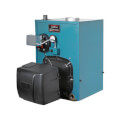
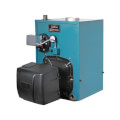
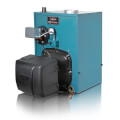
Burnham V8H Boilers

 --%3E %3Csvg version='1.1' id='No-RB' xmlns='http://www.w3.org/2000/svg' xmlns:xlink='http://www.w3.org/1999/xlink' x='0px' y='0px' viewBox='0 0 100 100' enable-background='new 0 0 100 100' xml:space='preserve'%3E %3Cpath fill='%23CECECE' d='M79.44,0.95H20.56C9.78,0.95,0.95,9.78,0.95,20.56v58.87c0,10.79,8.82,19.61,19.61,19.61h58.87 c10.79,0,19.61-8.83,19.61-19.61V20.56C99.05,9.78,90.22,0.95,79.44,0.95z M65.38,58.24l9.38,29.58L49.69,69.78L24.5,87.82 l9.34-29.6L8.8,39.6l30.73-0.17c0,0,6.98-19.61,10-28.93c0.54,1.36,9.88,29.1,9.88,29.1H91.2L65.38,58.24z'/%3E %3C/svg%3E)
 --%3E %3Csvg version='1.1' id='Half' xmlns='http://www.w3.org/2000/svg' xmlns:xlink='http://www.w3.org/1999/xlink' x='0px' y='0px' viewBox='0 0 100 100' enable-background='new 0 0 100 100' xml:space='preserve'%3E %3Cg%3E %3Cpath fill='%23F15C02' d='M30.05,70.23l3.79-12.01L8.8,39.6l30.73-0.17c0,0,6.98-19.61,10-28.93c0.54,1.36,9.88,29.1,9.88,29.1h1.58 L93.71,7.18c-3.58-3.82-8.66-6.23-14.28-6.23H20.56C9.78,0.95,0.95,9.78,0.95,20.56v58.87c0,5.41,2.22,10.32,5.79,13.88 L30.05,70.23z'/%3E %3C/g%3E %3Cpath fill='%23FBC8B4' d='M93.71,7.18L60.98,39.6H91.2L65.38,58.24l9.38,29.58L49.69,69.78L24.5,87.82l5.55-17.59L6.75,93.32 c3.55,3.54,8.44,5.73,13.82,5.73h58.87c10.79,0,19.61-8.83,19.61-19.61V20.56C99.05,15.4,97.01,10.69,93.71,7.18z'/%3E %3C/svg%3E)
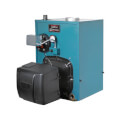
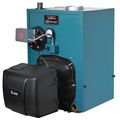
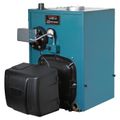


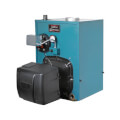
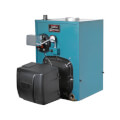
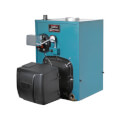
Burnham V8H boilers are oil-fired, cast iron water boilers built for residential heating systems that need a chimney-vented, durable replacement for an aging boiler. The cast iron heat exchanger carries an 85% AFUE rating in its standard configuration, with an ENERGY STAR certified 87% AFUE version available through an upgrade kit for jobs that need the higher efficiency rating. Sections connect through push-nipple joints designed to resist deterioration from petroleum-based antifreeze, which matters on systems that use glycol for freeze protection in unheated spaces like vacation homes or garages. An optional tankless coil adds domestic hot water production to the same boiler, which installers use on jobs where there's no space for a standalone water heater. Contractors specify the V8H on oil-heat replacements where cast iron's long service life and straightforward serviceability outweigh the lower efficiency ceiling of an oil system compared to modern gas equipment.
Subcategories
- Standard 85% AFUE Models: Standard V8H boilers carry an 85% AFUE rating in their base configuration, covering most oil-fired hot water replacement jobs without added equipment. Installers spec the standard configuration on straightforward swaps where the existing venting and piping already fit the boiler's footprint. Cast iron construction in this configuration matches the higher-efficiency version, so the AFUE difference comes down to the burner and control package rather than the heat exchanger itself. Homeowners replacing an aging oil boiler with a like-for-like unit typically land in this configuration.
- ENERGY STAR Certified 87% AFUE Models: The 87% AFUE configuration earns ENERGY STAR certification through an upgrade kit added to the same cast iron platform as the standard model. Contractors working jobs with local efficiency rebate programs or energy codes that require ENERGY STAR equipment spec this configuration to qualify. The efficiency gain comes from upgraded burner and control components rather than a different heat exchanger design. Homeowners looking to cut oil consumption on an existing system without switching fuel types are the main audience for this version.
- Boilers Without a Tankless Coil: Boilers configured without a tankless coil handle space heating only, pairing with a separate standalone water heater for domestic hot water. Installers choose this configuration when the home already has a working water heater or when the mechanical room has room for one. Skipping the coil simplifies the piping since there's no need to run domestic water lines to the boiler itself. Boilers without the coil remain the more common choice on homes that already separate heating and hot water production.
- Boilers With a Tankless Coil: Boilers with a tankless coil generate domestic hot water directly from the boiler, removing the need for a separate water heater. Contractors use this configuration on jobs where mechanical room space is tight or where the existing system already ran domestic hot water off the boiler. The coil draws heat from the same cast iron heat exchanger that handles space heating, so boiler sizing needs to account for both loads. The coil version suits homes without space for a standalone water heater.
Buying Guide
Sizing a replacement boiler starts with the home's actual heat loss rather than matching the old boiler's output number, since older boilers were often oversized by the standards used decades ago. Once the load calculation sets the right output range, the next decision is efficiency: the standard 85% AFUE configuration covers most straightforward oil-to-oil replacements, while the ENERGY STAR certified 87% AFUE version fits jobs where a rebate program or local code calls for the higher rating. Burnham V8H Boilers come in versions with and without a tankless coil, and that choice depends on whether the home already has a working standalone water heater. Homes without room for a separate water heater benefit from the tankless coil version, while homes that already separate heating and hot water production usually stick with a boiler-only configuration to keep the piping simple. Venting matters just as much as sizing on an oil replacement: the V8H is chimney-vented, so the existing chimney needs to be lined and sized correctly for the new boiler's flue output rather than assumed to work because it served the old unit. Petroleum-based antifreeze in the system, common in vacation homes or unheated garages, calls for the push-nipple section design built to resist that specific type of deterioration. Confirming heat loss, efficiency requirement, hot water needs, and venting condition before ordering keeps the installation on schedule and avoids a mismatched boiler.
Frequently Asked Questions
What's the difference between the 85% and 87% AFUE V8H models?
Both versions use the same cast iron heat exchanger platform, with the 87% AFUE, ENERGY STAR certified version adding an upgrade kit that improves burner and control efficiency. Jobs with local rebate programs or codes requiring ENERGY STAR equipment call for the higher-rated version. Straightforward oil-to-oil replacements without those requirements typically use the standard 85% AFUE configuration.
Does the V8H boiler need a tankless coil?
A tankless coil is optional and only necessary when the boiler needs to produce domestic hot water in addition to space heating. Homes with an existing standalone water heater don't need the coil and can use the simpler boiler-only configuration. Homes without room for a separate water heater benefit from adding the coil.
Can the V8H boiler handle petroleum-based antifreeze?
Push-nipple connections between the boiler's cast iron sections are built to resist deterioration from petroleum-based antifreeze. Systems in vacation homes, garages, or other unheated spaces that use glycol for freeze protection are the main reason this matters. Standard water-only systems without antifreeze don't need this feature but still benefit from the same durable section design.
Is the V8H boiler steam or hot water?
The V8H is built and sold as an oil-fired water boiler for hot water heating systems. Confirming the piping and control configuration against the specific application during planning avoids a mismatch between the boiler and the existing distribution system. Checking current technical documentation for the exact model configuration is the best way to confirm compatibility with a specific job.
How is a V8H boiler vented?
The V8H vents through a chimney rather than through a direct sidewall or power vent. Existing chimneys need to be lined and properly sized for the new boiler's flue output before installation, since a chimney that served an older, different-sized boiler may not perform correctly with the new unit. Confirming chimney condition and sizing during the initial site visit prevents venting problems after installation.
