



Filters
SORT
Product Availability –
Brand –
Connection Type –
Max Pressure (PSI) –
Size –
Review Score –
 --%3E %3Csvg version='1.1' id='Fill' xmlns='http://www.w3.org/2000/svg' xmlns:xlink='http://www.w3.org/1999/xlink' x='0px' y='0px' viewBox='0 0 100 100' enable-background='new 0 0 100 100' xml:space='preserve'%3E %3Cpath fill='%23F15C02' d='M79.44,0.95H20.56C9.78,0.95,0.95,9.78,0.95,20.56v58.87c0,10.79,8.82,19.61,19.61,19.61h58.87 c10.79,0,19.61-8.83,19.61-19.61V20.56C99.05,9.78,90.22,0.95,79.44,0.95z M65.38,58.24l9.38,29.58L49.69,69.78L24.5,87.82 l9.34-29.6L8.8,39.6l30.73-0.17c0,0,6.98-19.61,10-28.93c0.54,1.36,9.88,29.1,9.88,29.1H91.2L65.38,58.24z'/%3E %3C/svg%3E)
 --%3E %3Csvg version='1.1' id='With-RB' xmlns='http://www.w3.org/2000/svg' xmlns:xlink='http://www.w3.org/1999/xlink' x='0px' y='0px' viewBox='0 0 100 100' enable-background='new 0 0 100 100' xml:space='preserve'%3E %3Cpath fill='%23FBC8B4' d='M79.44,0.95H20.56C9.78,0.95,0.95,9.78,0.95,20.56v58.87c0,10.79,8.82,19.61,19.61,19.61h58.87 c10.79,0,19.61-8.83,19.61-19.61V20.56C99.05,9.78,90.22,0.95,79.44,0.95z M65.38,58.24l9.38,29.58L49.69,69.78L24.5,87.82 l9.34-29.6L8.8,39.6l30.73-0.17c0,0,6.98-19.61,10-28.93c0.54,1.36,9.88,29.1,9.88,29.1H91.2L65.38,58.24z'/%3E %3C/svg%3E)
Price Range –
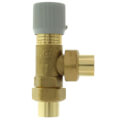
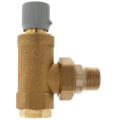
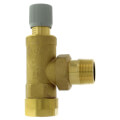
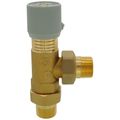
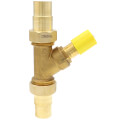
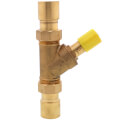
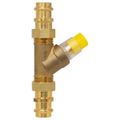
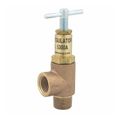
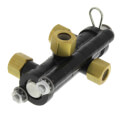
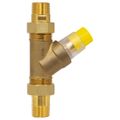
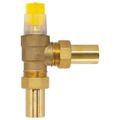
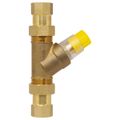
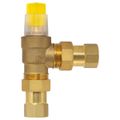
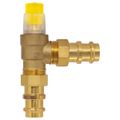
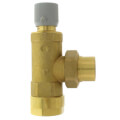
Differential Bypass Valves


 --%3E %3Csvg version='1.1' id='No-RB' xmlns='http://www.w3.org/2000/svg' xmlns:xlink='http://www.w3.org/1999/xlink' x='0px' y='0px' viewBox='0 0 100 100' enable-background='new 0 0 100 100' xml:space='preserve'%3E %3Cpath fill='%23CECECE' d='M79.44,0.95H20.56C9.78,0.95,0.95,9.78,0.95,20.56v58.87c0,10.79,8.82,19.61,19.61,19.61h58.87 c10.79,0,19.61-8.83,19.61-19.61V20.56C99.05,9.78,90.22,0.95,79.44,0.95z M65.38,58.24l9.38,29.58L49.69,69.78L24.5,87.82 l9.34-29.6L8.8,39.6l30.73-0.17c0,0,6.98-19.61,10-28.93c0.54,1.36,9.88,29.1,9.88,29.1H91.2L65.38,58.24z'/%3E %3C/svg%3E)

 --%3E %3Csvg version='1.1' id='Half' xmlns='http://www.w3.org/2000/svg' xmlns:xlink='http://www.w3.org/1999/xlink' x='0px' y='0px' viewBox='0 0 100 100' enable-background='new 0 0 100 100' xml:space='preserve'%3E %3Cg%3E %3Cpath fill='%23F15C02' d='M30.05,70.23l3.79-12.01L8.8,39.6l30.73-0.17c0,0,6.98-19.61,10-28.93c0.54,1.36,9.88,29.1,9.88,29.1h1.58 L93.71,7.18c-3.58-3.82-8.66-6.23-14.28-6.23H20.56C9.78,0.95,0.95,9.78,0.95,20.56v58.87c0,5.41,2.22,10.32,5.79,13.88 L30.05,70.23z'/%3E %3C/g%3E %3Cpath fill='%23FBC8B4' d='M93.71,7.18L60.98,39.6H91.2L65.38,58.24l9.38,29.58L49.69,69.78L24.5,87.82l5.55-17.59L6.75,93.32 c3.55,3.54,8.44,5.73,13.82,5.73h58.87c10.79,0,19.61-8.83,19.61-19.61V20.56C99.05,15.4,97.01,10.69,93.71,7.18z'/%3E %3C/svg%3E)
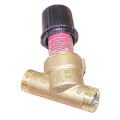
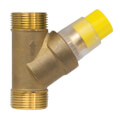
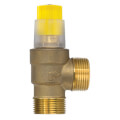
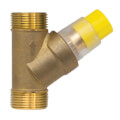
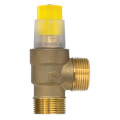
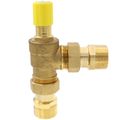
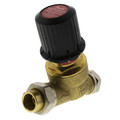

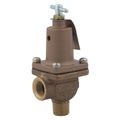
Differential bypass valves are hydronic heating components that protect a zoned system from the pressure buildup that happens as zone valves close. In a zoned hydronic system, a single circulator pump serves multiple zones, and as individual zone valves shut off, the pump keeps pushing the same flow through fewer open paths, raising the pressure difference between the supply and return lines. A differential bypass valve sits between the supply and return piping and opens once that pressure difference reaches a set point, diverting flow through a bypass loop instead of forcing it through the remaining open zones. This keeps the circulator from operating outside its intended range and prevents the noise, water hammer, and component stress that excess pressure can cause. The valve's pressure setting is field-adjustable, so it can be tuned to the specific pump and piping layout it protects.
Subcategories
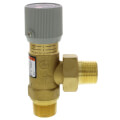
- Adjustable Differential Bypass Valves: Adjustable models let an installer set the pressure differential at which the valve begins to open, matching it to the specific circulator curve and piping layout on the job. This flexibility makes them suitable across a range of system sizes rather than being locked to one pump's output. Field adjustment typically involves turning a calibrated knob or screw while monitoring differential pressure. Setting the valve too low can cause it to bypass flow even under normal operation, while setting it too high defeats its purpose during low-flow conditions.
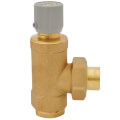
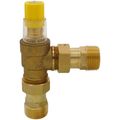
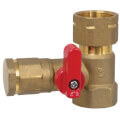
- Union-Connection Bypass Valves: Union-style connections on a bypass valve allow it to be removed for service or replacement without cutting into the surrounding piping. This is useful in mechanical rooms where the valve may need periodic inspection or adjustment as the system's zoning changes over time. The unions also simplify initial installation by allowing the valve body to be pre-piped and then swung into final position. Matching union size to the existing pipe diameter keeps the connection tight.
Buying Guide
Sizing a differential bypass valve starts with understanding the circulator pump's performance curve, since the valve needs to handle the flow and pressure range that pump can produce as zones close. A valve rated below the pump's maximum output may open too early and bypass flow during normal multi-zone operation, while an undersized valve for the system's flow rate will not fully relieve excess pressure when most zones are closed.
Connection size should match the pipe diameter at the point in the system where the bypass will be installed, typically near the circulator on the supply and return lines. Union connections are worth considering if the valve may need future adjustment or replacement, since they avoid cutting into the piping for routine service.
The valve's adjustment range matters for systems that may be re-zoned or expanded later. A bypass valve with a wider adjustable range gives more flexibility if the number of zones or the piping layout changes down the road, reducing the chance that a differently sized valve will be needed after a system modification.
Frequently Asked Questions
Why does a zoned hydronic system need a differential bypass valve?
As individual zone valves close, a fixed-speed circulator keeps pushing the same flow through fewer open paths, which raises the pressure differential between supply and return. A bypass valve relieves that pressure by diverting flow through a bypass loop, protecting the pump and piping from excess stress.
What happens if a zoned system does not have a bypass valve?
Without a bypass valve, excess differential pressure can cause water noise, water hammer, and difficulty for zone valves to fully close, along with added wear on the circulator from operating outside its intended pressure range.
How is the bypass valve's pressure setting determined?
The setting is based on the circulator pump's performance curve and the piping layout, since the valve needs to open at a pressure differential that matches when the pump would otherwise be pushed outside its normal operating range.
Can a differential bypass valve be adjusted after installation?
Most models are field-adjustable, allowing the pressure setting to be tuned after installation if the system's zoning or circulator changes. This is typically done with a calibrated knob or screw on the valve body.
Where does a differential bypass valve get installed in the system?
It is typically piped between the supply and return lines near the circulator pump, positioned so it can divert flow directly from supply to return once the set pressure differential is reached.
