



Filters
SORT
Product Availability –
Review Score –
 --%3E %3Csvg version='1.1' id='Fill' xmlns='http://www.w3.org/2000/svg' xmlns:xlink='http://www.w3.org/1999/xlink' x='0px' y='0px' viewBox='0 0 100 100' enable-background='new 0 0 100 100' xml:space='preserve'%3E %3Cpath fill='%23F15C02' d='M79.44,0.95H20.56C9.78,0.95,0.95,9.78,0.95,20.56v58.87c0,10.79,8.82,19.61,19.61,19.61h58.87 c10.79,0,19.61-8.83,19.61-19.61V20.56C99.05,9.78,90.22,0.95,79.44,0.95z M65.38,58.24l9.38,29.58L49.69,69.78L24.5,87.82 l9.34-29.6L8.8,39.6l30.73-0.17c0,0,6.98-19.61,10-28.93c0.54,1.36,9.88,29.1,9.88,29.1H91.2L65.38,58.24z'/%3E %3C/svg%3E)
 --%3E %3Csvg version='1.1' id='With-RB' xmlns='http://www.w3.org/2000/svg' xmlns:xlink='http://www.w3.org/1999/xlink' x='0px' y='0px' viewBox='0 0 100 100' enable-background='new 0 0 100 100' xml:space='preserve'%3E %3Cpath fill='%23FBC8B4' d='M79.44,0.95H20.56C9.78,0.95,0.95,9.78,0.95,20.56v58.87c0,10.79,8.82,19.61,19.61,19.61h58.87 c10.79,0,19.61-8.83,19.61-19.61V20.56C99.05,9.78,90.22,0.95,79.44,0.95z M65.38,58.24l9.38,29.58L49.69,69.78L24.5,87.82 l9.34-29.6L8.8,39.6l30.73-0.17c0,0,6.98-19.61,10-28.93c0.54,1.36,9.88,29.1,9.88,29.1H91.2L65.38,58.24z'/%3E %3C/svg%3E)
Price Range –
Carrier Fan Motors & Blades

 --%3E %3Csvg version='1.1' id='No-RB' xmlns='http://www.w3.org/2000/svg' xmlns:xlink='http://www.w3.org/1999/xlink' x='0px' y='0px' viewBox='0 0 100 100' enable-background='new 0 0 100 100' xml:space='preserve'%3E %3Cpath fill='%23CECECE' d='M79.44,0.95H20.56C9.78,0.95,0.95,9.78,0.95,20.56v58.87c0,10.79,8.82,19.61,19.61,19.61h58.87 c10.79,0,19.61-8.83,19.61-19.61V20.56C99.05,9.78,90.22,0.95,79.44,0.95z M65.38,58.24l9.38,29.58L49.69,69.78L24.5,87.82 l9.34-29.6L8.8,39.6l30.73-0.17c0,0,6.98-19.61,10-28.93c0.54,1.36,9.88,29.1,9.88,29.1H91.2L65.38,58.24z'/%3E %3C/svg%3E)

 --%3E %3Csvg version='1.1' id='Half' xmlns='http://www.w3.org/2000/svg' xmlns:xlink='http://www.w3.org/1999/xlink' x='0px' y='0px' viewBox='0 0 100 100' enable-background='new 0 0 100 100' xml:space='preserve'%3E %3Cg%3E %3Cpath fill='%23F15C02' d='M30.05,70.23l3.79-12.01L8.8,39.6l30.73-0.17c0,0,6.98-19.61,10-28.93c0.54,1.36,9.88,29.1,9.88,29.1h1.58 L93.71,7.18c-3.58-3.82-8.66-6.23-14.28-6.23H20.56C9.78,0.95,0.95,9.78,0.95,20.56v58.87c0,5.41,2.22,10.32,5.79,13.88 L30.05,70.23z'/%3E %3C/g%3E %3Cpath fill='%23FBC8B4' d='M93.71,7.18L60.98,39.6H91.2L65.38,58.24l9.38,29.58L49.69,69.78L24.5,87.82l5.55-17.59L6.75,93.32 c3.55,3.54,8.44,5.73,13.82,5.73h58.87c10.79,0,19.61-8.83,19.61-19.61V20.56C99.05,15.4,97.01,10.69,93.71,7.18z'/%3E %3C/svg%3E)
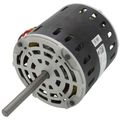
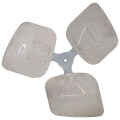
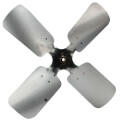
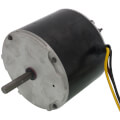
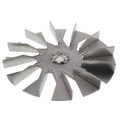
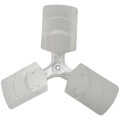
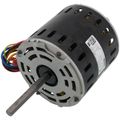
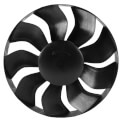
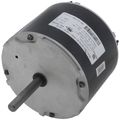
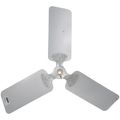
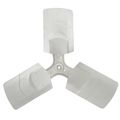
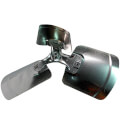
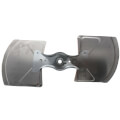

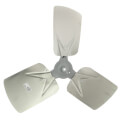
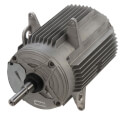
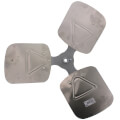
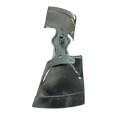
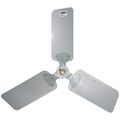
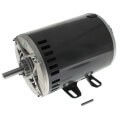
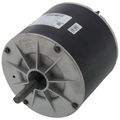
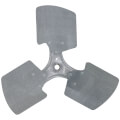
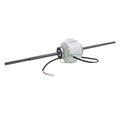
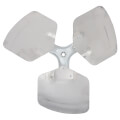
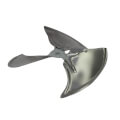
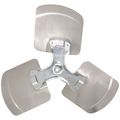
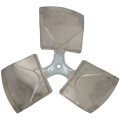
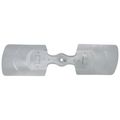
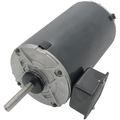
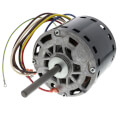
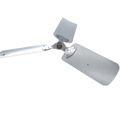
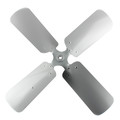
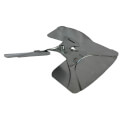
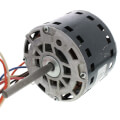
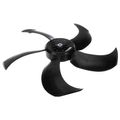
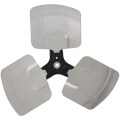

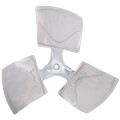
Carrier fan motors and blades are the replacement components that move air across the condenser coil in Carrier brand air conditioning and heat pump condensing units. The fan motor drives a blade mounted above the coil, pulling outdoor air through the unit to reject heat during cooling operation. When either part wears out, a technician usually finds one of a few familiar symptoms: a motor that hums but does not spin, a blade that wobbles or has become bent from debris or storm damage, or a unit that runs louder than normal because of a worn motor bearing. Because the fan motor and blade work together as a matched pair, a replacement blade needs to fit the motor shaft correctly, and a replacement motor needs to match the original's horsepower, speed, and rotation direction. A condenser fan that stops running entirely can cause a system to overheat and shut down on high-pressure protection within minutes, making this a repair that is rarely deferred.
Subcategories
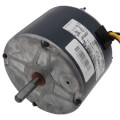
- Condenser Fan Motors: Condenser fan motors are the electric motors that drive the outdoor unit's fan blade, typically mounted vertically on top of the condensing unit cabinet. They are specified by horsepower, rotation direction, and speed, all of which must match the original motor for the fan to move the correct volume of air. A motor that spins the wrong direction pulls air through the coil less effectively even though it still appears to be running. Technicians confirm shaft length and diameter as well, since a mismatched shaft prevents the blade from seating correctly.
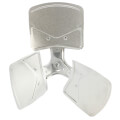
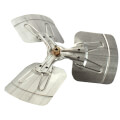
- Condenser Fan Blades: Condenser fan blades attach to the motor shaft and move air across the coil as they spin, and they take the brunt of physical damage from storms, falling debris, and general wear over years of outdoor exposure. A bent or chipped blade throws off the fan's balance, leading to vibration that can eventually damage the motor bearing it is attached to. Blades are sized by diameter and pitch to match both the motor and the airflow requirements of the specific condensing unit. Replacing a damaged blade before it damages the motor is generally the more economical repair.
- Motor Mounting Brackets and Hardware: Mounting brackets, fan grilles, and related hardware secure the motor and blade assembly inside the condensing unit cabinet and keep the fan properly aligned above the coil. Corrosion from years of outdoor exposure is a common reason these parts need replacement even when the motor and blade themselves are still functional. Using the correct bracket keeps the fan blade centered within its housing, which matters for both airflow and safety clearance from the blade tips. Replacing corroded hardware during a motor or blade swap avoids a repeat service call.
Buying Guide
Replacing a Carrier condenser fan motor starts with recording the original motor's horsepower, rotation direction, and speed from its nameplate, since all three need to match for the new motor to move the correct volume of air across the coil in the correct direction. A motor that looks similar but spins the opposite direction will run and sound normal while still failing to cool the unit effectively, which makes this detail easy to miss without checking the nameplate directly.
Shaft dimensions matter just as much as electrical specifications. The motor shaft's diameter and length need to match what the fan blade is designed to mount onto, and the mounting bracket needs to fit the specific condensing unit's cabinet. Measuring the original motor before ordering, rather than relying on the unit's overall model number alone, reduces the chance of ordering a part that does not physically install.
When only the blade needs replacement, matching diameter and pitch to the original is the priority, since a blade that is too small moves less air than the system needs, while one that is too large or has a different pitch can create a load the motor was not designed to handle. Inspecting the blade for bends or chips regularly, particularly after storms, allows a technician to catch and correct a balance problem before it damages the motor. Ordering motor and blade together as a set is often the more efficient approach when both show signs of wear, since a worn motor and a slightly imbalanced blade frequently fail around the same time.
Frequently Asked Questions
What causes a Carrier condenser fan motor to hum but not spin?
A humming motor that does not turn is often caused by a failed start capacitor, a worn bearing that has locked up, or a mechanical obstruction blocking the blade. Checking for debris around the blade first is a quick way to rule out the simplest cause. If the blade spins freely by hand but the motor still will not start on its own, the motor or its capacitor is the more likely culprit.
Why does rotation direction matter when replacing a condenser fan motor?
The fan blade is designed to move air in one direction as it spins, and a motor running the wrong direction still turns and sounds normal while failing to pull air through the coil effectively. This can cause a system to run poorly or overheat even though nothing appears visibly wrong from outside the unit. Confirming rotation direction on the nameplate before installation avoids this issue.
Can a bent fan blade be straightened instead of replaced?
A slightly bent blade might spin without obvious problems, but any bend throws off the blade's balance and creates vibration that can eventually damage the motor bearing. Because blades are relatively inexpensive compared to a motor, replacing a bent or chipped blade outright is generally a more reliable fix than attempting to straighten it. Inspecting the blade after any storm event is good practice.
How is horsepower determined when ordering a replacement condenser fan motor?
The original motor's nameplate lists its horsepower rating, and this figure needs to match the replacement for the fan to move the correct volume of air across the coil. Undersized motors can overheat trying to move air they are not built to handle, while oversized motors may not fit the mounting bracket or draw more current than the circuit is designed for. Recording the nameplate information before ordering is the most reliable approach.
Should the motor and blade always be replaced together?
Not always, but when both show signs of wear it is often more efficient to replace them as a set, since a worn motor and a slightly imbalanced blade frequently reach the end of their service life around the same time. If only one part has failed and the other is confirmed to be in good condition, replacing just the failed component is a reasonable approach. Inspecting both parts during any fan service call helps make that determination.
