




Data Loggers

 --%3E %3Csvg version='1.1' id='No-RB' xmlns='http://www.w3.org/2000/svg' xmlns:xlink='http://www.w3.org/1999/xlink' x='0px' y='0px' viewBox='0 0 100 100' enable-background='new 0 0 100 100' xml:space='preserve'%3E %3Cpath fill='%23CECECE' d='M79.44,0.95H20.56C9.78,0.95,0.95,9.78,0.95,20.56v58.87c0,10.79,8.82,19.61,19.61,19.61h58.87 c10.79,0,19.61-8.83,19.61-19.61V20.56C99.05,9.78,90.22,0.95,79.44,0.95z M65.38,58.24l9.38,29.58L49.69,69.78L24.5,87.82 l9.34-29.6L8.8,39.6l30.73-0.17c0,0,6.98-19.61,10-28.93c0.54,1.36,9.88,29.1,9.88,29.1H91.2L65.38,58.24z'/%3E %3C/svg%3E)

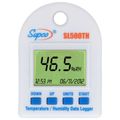



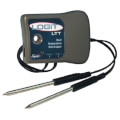

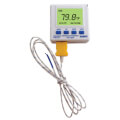
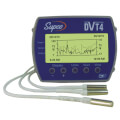


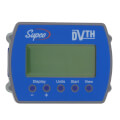

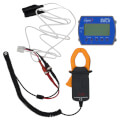
Data loggers are compact recording instruments that track temperature, humidity, pressure, or other environmental conditions over an extended period without requiring a technician to stay on site. Trade professionals in HVAC, refrigeration, and food service use these devices to verify system performance, document compliance with health and safety codes, and catch problems before they turn into costly failures. A logger typically stores readings at set intervals on internal memory, then transfers that data to a computer or mobile app for review and reporting. Many units run for weeks or months on a single battery charge, making them practical for long-term monitoring in walk-in coolers, server rooms, or ductwork. Choosing the right logger depends on the environment being monitored, the number of channels needed, and how the data will be retrieved and reported. For contractors who need to prove a system held its rated conditions overnight or across a holiday weekend, a logger provides an objective record that a spot check never can.
Subcategories
- Temperature Data Loggers: Temperature data loggers record ambient or surface temperature at programmed intervals, giving technicians a continuous history instead of a single snapshot. Refrigeration and HVAC crews rely on them to confirm a cooler, freezer, or heat pump held its target range through a full cycle. Most models store thousands of readings before needing a download, so a single deployment can cover days or weeks. Because they run unattended, they work well for jobs where nobody can watch a gauge around the clock.
- Humidity Data Loggers: Humidity data loggers track relative humidity alongside temperature, which matters anywhere moisture control affects equipment life or occupant comfort. Building and mechanical contractors use them to spot conditions that could lead to condensation, mold growth, or corrosion inside ductwork and mechanical rooms. Pairing humidity data with temperature readings gives a fuller picture than either measurement alone. Logged data can support a service report showing conditions stayed within an acceptable range.
- Multi-Channel Data Loggers: Multi-channel data loggers accept input from several sensors at once, letting one unit monitor multiple points in a system simultaneously. That capability suits larger installations, such as a rooftop unit with separate supply and return readings, or a walk-in with more than one probe location. Consolidating several channels into one logger cuts down on the number of devices a crew has to place, retrieve, and manage. Data from every channel downloads together, simplifying the reporting process.
- Wireless Data Loggers: Wireless data loggers transmit readings to a receiver, gateway, or mobile app without a technician needing to physically retrieve the unit. That setup allows for real-time alerts if a reading drifts outside an acceptable range, rather than discovering a problem after the fact. Facilities with multiple monitoring points across a building benefit most, since a wireless network can consolidate data from many loggers in one dashboard. Battery life and signal range are worth checking before choosing a wireless model for a specific site.
Buying Guide
Selecting the right data logger starts with identifying what needs to be measured and for how long. A short-term diagnostic job might only require a single-channel unit with a few days of battery life, while ongoing compliance monitoring in a cooler or freezer calls for a logger built for continuous, unattended operation over weeks or months. Memory capacity matters too: a device that only stores a few hundred readings will fill up fast if it is set to log every minute, so match the logging interval to the length of the deployment.
Data loggers for use in a walk-in cooler, freezer, or outdoor location need a housing rated for that environment, since condensation or temperature extremes can damage electronics not built for the job. Contractors working across several sites should weigh whether a wireless logger with remote alerts is worth the added cost over a standalone unit that requires manual retrieval, particularly if a missed excursion could mean spoiled product or a failed inspection.
Data Loggers also vary in how readings get reported. Some units connect directly to a computer through a USB cable, while others pair with a smartphone app or feed a cloud dashboard automatically. Contractors who need to hand a client a printed or exported report should confirm the software supports the file format required before committing to a particular logger for a job.
Frequently Asked Questions
How long can a data logger run before the battery needs to be replaced or recharged?
Battery life varies significantly by model and logging interval, but many data loggers run for several weeks to several months on a single charge or battery pair. Setting a longer interval between readings extends battery life at the cost of resolution. Checking the manufacturer's rated battery life against the length of the planned deployment prevents a logger from dying mid-job.
What is the difference between a single-channel and multi-channel data logger?
A single-channel logger records from one sensor, while a multi-channel unit accepts input from several sensors at once. Multi-channel loggers suit jobs that need readings from more than one location, such as supply and return air or multiple zones in a walk-in. Choosing between the two comes down to how many points need monitoring on a given job.
Can a data logger send an alert if conditions go out of range?
Wireless and networked data loggers can send alerts through an app, email, or text message when a reading crosses a set threshold. Standalone loggers without wireless capability only reveal an excursion once the data is downloaded and reviewed. Facilities that cannot afford a delayed response to a temperature or humidity problem typically choose a model with real-time alerting.
How is data retrieved from a data logger?
Retrieval methods depend on the unit: some connect to a computer through USB, some transfer data over Bluetooth to a smartphone app, and wireless models send data to a receiver or gateway automatically. Reviewing how a job's reporting requirements line up with a logger's retrieval method helps avoid a mismatch after installation.
Are data loggers waterproof or suitable for outdoor use?
Some data loggers include a housing rated for moisture, condensation, or outdoor exposure, but not all models are built for those conditions. Checking the housing rating against where the logger will be placed, such as an outdoor unit, freezer, or damp mechanical room, prevents early failure of the electronics inside.
