




Electrical Supplies
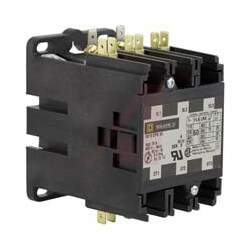
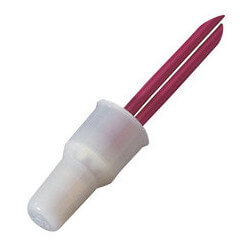
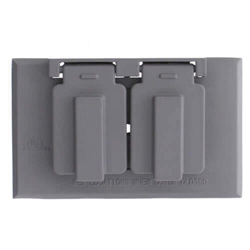
Electrical supplies include wire, devices, protection equipment, and accessories. Electricians and HVAC technicians use them to power and control building systems. The category ranges from breaker boxes and circuit breakers to wall plates, sensors, and wire termination products. It serves dedicated electrical contractors as well as trades that need electrical components for a larger mechanical job. HVAC technicians in particular draw from this category often, since most equipment installations and repairs involve some electrical work alongside the mechanical side.
Selecting the right electrical supplies affects both code compliance and long-term system reliability. An electrician wiring a new panel needs breakers rated to the correct amperage and interrupt capacity. A technician troubleshooting a control circuit needs components that match the voltage and signal type of the existing system. Because electrical work is heavily regulated by code, getting the specification right the first time avoids failed inspections and repeat service calls.




.jpg)



Subcategories
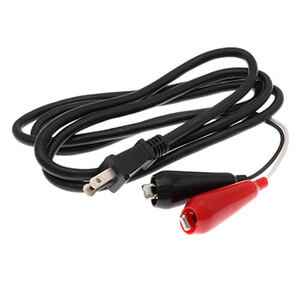
- Alligator Clips: Alligator clips are spring-loaded electrical test leads used to make quick, temporary connections during troubleshooting or equipment testing. Technicians use them with multimeters and other test instruments to check voltage, continuity, or resistance without soldering a connection. Their quick-attach design makes them a standard part of a technician's diagnostic toolkit.
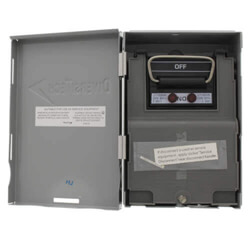
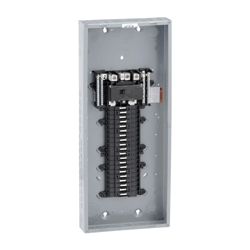
- Breaker Boxes: Breaker boxes, also called load centers or panelboards, house the circuit breakers that distribute and protect electrical circuits throughout a building. Electricians select a breaker box based on the total amperage the building needs and the number of circuit spaces required. Panel upgrades are common when a home or building adds equipment like an EV charger or larger HVAC system that increases overall electrical demand.
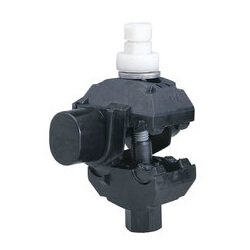
- Cable Accessories: Cable accessories include the connectors, clamps, and fittings used to secure and protect electrical cable as it runs through walls, conduit, or open space. Proper cable support and strain relief are code requirements in most jurisdictions, so electricians select accessories rated for the specific cable type and installation environment. These components are typically installed throughout the rough-in phase of an electrical job.
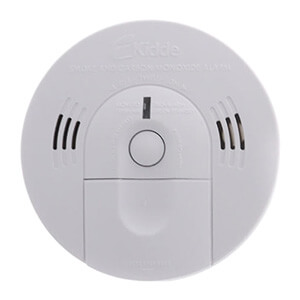
- Carbon Monoxide and Smoke Detectors: Carbon monoxide and smoke detectors are life-safety devices required in most residential and commercial occupancies, often wired directly into the building's electrical system with battery backup. Electricians and HVAC technicians both may install or service these, since combination gas furnace and CO detector work frequently overlaps. Interconnected units that trigger all alarms in a building simultaneously are increasingly required by updated fire codes.
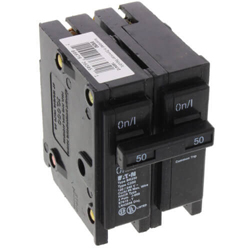
- Circuit Breakers: Circuit breakers protect electrical circuits from overload and short-circuit conditions by interrupting current flow before wiring or equipment can overheat. They need to match the panel brand and amperage rating exactly, since breakers aren't universally interchangeable across manufacturers. Technicians replacing a breaker that trips repeatedly should also check for an underlying wiring or load issue rather than simply swapping the part.
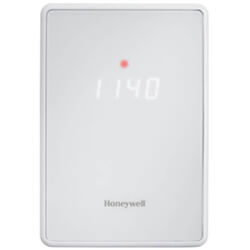
- CO2 Sensors: CO2 sensors monitor carbon dioxide levels in a space and are commonly integrated with building ventilation controls to adjust fresh air intake based on occupancy. They're increasingly specified in commercial buildings pursuing better indoor air quality and energy efficiency standards. Technicians install and calibrate these sensors as part of a building's broader HVAC control system.
Buying Guide
Confirm the voltage and amperage requirements of the circuit before ordering components. Breakers, wire gauge, and connected devices all need to match the circuit's rated load, and undersizing any one component creates a safety hazard as well as a code violation.
Match new components to the existing panel brand where applicable. Circuit breakers in particular are manufacturer-specific, and installing an incompatible breaker in a panel can void a listing or create a fire risk. Checking the panel's nameplate for the approved breaker brands avoids this problem.
Consider the installation environment when selecting cable accessories and enclosures. Outdoor, wet-location, or hazardous environments require components rated for that exposure, while standard interior wiring has more flexibility in material choice.
Plan for future capacity when sizing a breaker box or panel upgrade. Adding spare circuit spaces during a panel replacement costs little extra at the time of installation. It saves a second panel upgrade if the building's electrical needs grow, such as adding an EV charger or larger HVAC equipment later.
Factor in life-safety and code-required devices alongside standard wiring components. Smoke and carbon monoxide detectors, GFCI protection, and similar safety devices are often mandatory by code in specific locations. Building those into the initial order avoids a follow-up trip to bring a job into compliance.
Frequently Asked Questions
Can I install any brand of circuit breaker in my panel?
No, circuit breakers need to be listed for use in the specific panel brand and model, since panels are only tested and approved with certain breaker types. Installing an unlisted breaker can void the panel's safety listing even if it physically fits.
How do I know what size breaker box I need?
Breaker box sizing depends on the building's total electrical load and the number of circuits required, which an electrician calculates using a load calculation. Adding a few spare circuit spaces beyond current needs is common practice to accommodate future additions.
Do smoke and carbon monoxide detectors need to be hardwired?
Many detectors are wired directly into the building's electrical system with battery backup, and updated fire codes increasingly require interconnected units. Requirements vary by jurisdiction, so local code determines whether hardwiring is needed.
What's the difference between a circuit breaker and a GFCI breaker?
A standard circuit breaker protects against overload and short circuits. A GFCI breaker also detects ground faults and shuts off power to prevent electric shock. GFCI protection is required by code in specific locations.
Why would a CO2 sensor be added to an HVAC system?
CO2 sensors let a building's ventilation system adjust fresh air intake based on actual occupancy rather than a fixed schedule. This can improve indoor air quality while avoiding unnecessary energy use during low-occupancy periods. They're increasingly common in commercial buildings targeting energy efficiency standards.
Resources

 --%3E %3C!DOCTYPE svg PUBLIC '-//W3C//DTD SVG 1.1//EN' 'http://www.w3.org/Graphics/SVG/1.1/DTD/svg11.dtd'%3E %3Csvg version='1.1' id='Layer_1' xmlns='http://www.w3.org/2000/svg' xmlns:xlink='http://www.w3.org/1999/xlink' x='0px' y='0px' width='90px' height='90px' viewBox='0 0 90 90' enable-background='new 0 0 90 90' xml:space='preserve'%3E %3Crect x='27' y='23' fill='%23FFFFFF' width='43' height='44'/%3E %3Cg%3E %3Cdefs%3E %3Crect id='SVGID_1_' width='90' height='90'/%3E %3C/defs%3E %3CclipPath id='SVGID_2_'%3E %3Cuse xlink:href='%23SVGID_1_' overflow='visible'/%3E %3C/clipPath%3E %3Cpath clip-path='url(%23SVGID_2_)' fill='%234186AD' d='M45,0C20.1,0,0,20.1,0,45c0,24.9,20.1,45,45,45c24.9,0,45-20.1,45-45 C90,20.1,69.9,0,45,0'/%3E %3C/g%3E %3Cpath fill='%23FFFFFF' d='M60.6,47.4l-22.5,14c-0.5,0.3-1,0.399-1.5,0.399s-0.9-0.1-1.4-0.399c-0.9-0.5-1.4-1.4-1.4-2.5v-28 c0-1,0.6-2,1.4-2.5c0.9-0.5,2-0.5,2.9,0.1l22.5,14.1C61.4,43.1,61.9,44,61.9,45S61.4,46.9,60.6,47.4'/%3E %3C/svg%3E)
Subcategories
- Alligator Clips: Alligator clips are spring-loaded electrical test leads used to make quick, temporary connections during troubleshooting or equipment testing. Technicians use them with multimeters and other test instruments to check voltage, continuity, or resistance without soldering a connection. Their quick-attach design makes them a standard part of a technician's diagnostic toolkit.
- Breaker Boxes: Breaker boxes, also called load centers or panelboards, house the circuit breakers that distribute and protect electrical circuits throughout a building. Electricians select a breaker box based on the total amperage the building needs and the number of circuit spaces required. Panel upgrades are common when a home or building adds equipment like an EV charger or larger HVAC system that increases overall electrical demand.
- Cable Accessories: Cable accessories include the connectors, clamps, and fittings used to secure and protect electrical cable as it runs through walls, conduit, or open space. Proper cable support and strain relief are code requirements in most jurisdictions, so electricians select accessories rated for the specific cable type and installation environment. These components are typically installed throughout the rough-in phase of an electrical job.
- Carbon Monoxide and Smoke Detectors: Carbon monoxide and smoke detectors are life-safety devices required in most residential and commercial occupancies, often wired directly into the building's electrical system with battery backup. Electricians and HVAC technicians both may install or service these, since combination gas furnace and CO detector work frequently overlaps. Interconnected units that trigger all alarms in a building simultaneously are increasingly required by updated fire codes.
- Circuit Breakers: Circuit breakers protect electrical circuits from overload and short-circuit conditions by interrupting current flow before wiring or equipment can overheat. They need to match the panel brand and amperage rating exactly, since breakers aren't universally interchangeable across manufacturers. Technicians replacing a breaker that trips repeatedly should also check for an underlying wiring or load issue rather than simply swapping the part.
- CO2 Sensors: CO2 sensors monitor carbon dioxide levels in a space and are commonly integrated with building ventilation controls to adjust fresh air intake based on occupancy. They're increasingly specified in commercial buildings pursuing better indoor air quality and energy efficiency standards. Technicians install and calibrate these sensors as part of a building's broader HVAC control system.
Buying Guide
Confirm the voltage and amperage requirements of the circuit before ordering components. Breakers, wire gauge, and connected devices all need to match the circuit's rated load, and undersizing any one component creates a safety hazard as well as a code violation.
Match new components to the existing panel brand where applicable. Circuit breakers in particular are manufacturer-specific, and installing an incompatible breaker in a panel can void a listing or create a fire risk. Checking the panel's nameplate for the approved breaker brands avoids this problem.
Consider the installation environment when selecting cable accessories and enclosures. Outdoor, wet-location, or hazardous environments require components rated for that exposure, while standard interior wiring has more flexibility in material choice.
Plan for future capacity when sizing a breaker box or panel upgrade. Adding spare circuit spaces during a panel replacement costs little extra at the time of installation. It saves a second panel upgrade if the building's electrical needs grow, such as adding an EV charger or larger HVAC equipment later.
Factor in life-safety and code-required devices alongside standard wiring components. Smoke and carbon monoxide detectors, GFCI protection, and similar safety devices are often mandatory by code in specific locations. Building those into the initial order avoids a follow-up trip to bring a job into compliance.
Frequently Asked Questions
Can I install any brand of circuit breaker in my panel?
No, circuit breakers need to be listed for use in the specific panel brand and model, since panels are only tested and approved with certain breaker types. Installing an unlisted breaker can void the panel's safety listing even if it physically fits.
How do I know what size breaker box I need?
Breaker box sizing depends on the building's total electrical load and the number of circuits required, which an electrician calculates using a load calculation. Adding a few spare circuit spaces beyond current needs is common practice to accommodate future additions.
Do smoke and carbon monoxide detectors need to be hardwired?
Many detectors are wired directly into the building's electrical system with battery backup, and updated fire codes increasingly require interconnected units. Requirements vary by jurisdiction, so local code determines whether hardwiring is needed.
What's the difference between a circuit breaker and a GFCI breaker?
A standard circuit breaker protects against overload and short circuits. A GFCI breaker also detects ground faults and shuts off power to prevent electric shock. GFCI protection is required by code in specific locations.
Why would a CO2 sensor be added to an HVAC system?
CO2 sensors let a building's ventilation system adjust fresh air intake based on actual occupancy rather than a fixed schedule. This can improve indoor air quality while avoiding unnecessary energy use during low-occupancy periods. They're increasingly common in commercial buildings targeting energy efficiency standards.