




Electric Vehicle Charging & Accessories

 --%3E %3Csvg version='1.1' id='No-RB' xmlns='http://www.w3.org/2000/svg' xmlns:xlink='http://www.w3.org/1999/xlink' x='0px' y='0px' viewBox='0 0 100 100' enable-background='new 0 0 100 100' xml:space='preserve'%3E %3Cpath fill='%23CECECE' d='M79.44,0.95H20.56C9.78,0.95,0.95,9.78,0.95,20.56v58.87c0,10.79,8.82,19.61,19.61,19.61h58.87 c10.79,0,19.61-8.83,19.61-19.61V20.56C99.05,9.78,90.22,0.95,79.44,0.95z M65.38,58.24l9.38,29.58L49.69,69.78L24.5,87.82 l9.34-29.6L8.8,39.6l30.73-0.17c0,0,6.98-19.61,10-28.93c0.54,1.36,9.88,29.1,9.88,29.1H91.2L65.38,58.24z'/%3E %3C/svg%3E)

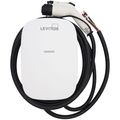
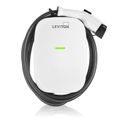
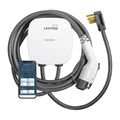
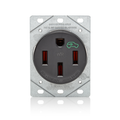
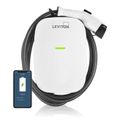
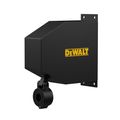
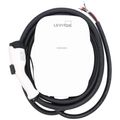
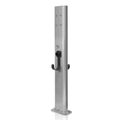
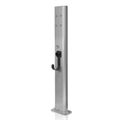
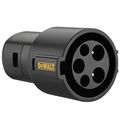
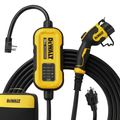
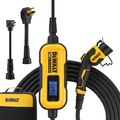
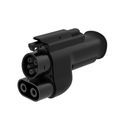
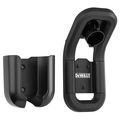
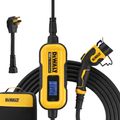
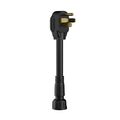
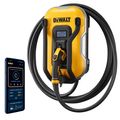
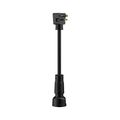
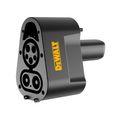
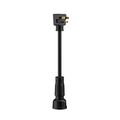
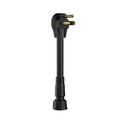
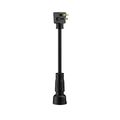
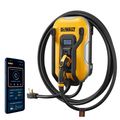
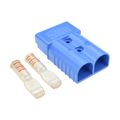
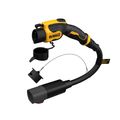

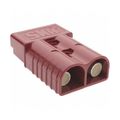

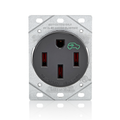
Electric vehicle charging & accessories cover the stations, cords, and mounting hardware electricians install to power EVs at homes, businesses, and fleet lots. A Level 2 station like a 32-amp unit delivers 7.6 kW at 208/240 VAC, cutting charge time far below what a standard household outlet provides. Level 2 equipment has become the standard install for garages, multifamily parking, and commercial lots because of that output range.
Enclosure rating is another spec worth flagging early: stations built with a NEMA Type 3R thermoplastic housing are rated for outdoor and indoor mounting, which matters for exposed parking areas. For electrical contractors, EV charging installs represent a fast-growing service line, and picking hardware rated for the actual voltage, amperage, and mounting environment on a given job keeps the work code-compliant and callback-free.
Subcategories
- Level 2 Charging Stations: Level 2 charging stations run on 208/240 VAC circuits and deliver output in the range of 32 amps and 7.6 kW, far faster than a standard wall outlet. Electrical contractors install these in residential garages, multifamily lots, and commercial parking areas. A dedicated circuit sized to the station's amperage draw is required for a code-compliant install.
- Charging Cords and Connectors: Charging cords and connectors are the cable assemblies that run between the station and the vehicle inlet, sized to match the station's rated amperage. Installers select cord length based on parking layout, since a run that is too short forces awkward vehicle positioning. An 18 ft. cord is a common length for garage and driveway installs.
- Mounting Hardware and Enclosures: Mounting hardware and enclosures secure a charging station to a wall or pedestal and protect internal components from weather. A NEMA Type 3R thermoplastic enclosure is rated water-resistant for outdoor mounting as well as indoor use. Contractors installing stations in uncovered lots or exposed garage walls need this rating to pass inspection.
- Commercial and Fleet Accessories: Commercial and fleet accessories include multi-port stations, pedestal mounts, and load management hardware built for higher-volume charging sites. Property managers and fleet operators use this equipment to serve multiple vehicles from a shared electrical service. Stations in this category are rated for both residential and commercial installation per manufacturer specifications.
Buying Guide
Start with the electrical service available at the install site. A Level 2 charging station rated for 32 amps at 208/240 VAC needs a dedicated circuit sized to match, and confirming panel capacity before ordering hardware avoids a mid-job change order. Commercial sites with multiple vehicles may need load management accessories to share available capacity across several stations instead of upsizing the whole service.
Enclosure rating comes next. A station mounted outdoors or in an uncovered lot needs a NEMA Type 3R or similarly weather-resistant housing, while an indoor garage install has more flexibility. Confirming the mounting environment against the enclosure spec before purchase prevents a failed inspection or a station that degrades early from moisture exposure.
Cord length rounds out the decision. Electric vehicle charging equipment with an 18 ft. cord covers most single-space residential and driveway installs, but multi-space commercial lots may need longer runs or additional stations to reach every parking spot without stretching a cord across a walkway. Matching amperage, enclosure rating, and cord length to the actual site conditions keeps an EV charging install code-compliant on the first pass.
Frequently Asked Questions
What amperage circuit does a Level 2 EV charger need?
A 32-amp Level 2 charging station needs a dedicated circuit sized to handle that continuous draw. Panel capacity should be confirmed before the install to avoid a change order mid-job. Commercial sites running multiple stations may need load management hardware instead of oversizing the service.
Can an EV charging station be installed outdoors?
A station built with a NEMA Type 3R thermoplastic enclosure is rated water-resistant for outdoor mounting as well as indoor use. Confirming the enclosure rating against the mounting location before installation prevents inspection failures. Uncovered parking lots and exposed garage walls both call for this outdoor-rated housing.
How fast does a Level 2 charger charge a vehicle?
A 32-amp Level 2 station delivering 7.6 kW at 208/240 VAC charges significantly faster than a standard 120V outlet. Actual charge time still depends on the vehicle's battery size and onboard charger capacity. Level 2 equipment remains the standard choice for home garages, multifamily lots, and commercial parking.
What cord length works best for a garage EV charger install?
An 18 ft. cord covers most single-space residential garage and driveway installs without stretching across a walkway. Longer runs or additional stations may be needed for multi-space commercial lots. Cord length should be matched to the actual parking layout before ordering hardware.
Is the same EV charging station used for residential and commercial installs?
Some Level 2 stations are rated for both home and commercial settings, per manufacturer specifications. Commercial sites with multiple vehicles often add load management or multi-port accessories on top of the base station. Confirming the manufacturer's residential versus commercial rating before ordering keeps the install code-compliant.
