




Generator Pads


 --%3E %3Csvg version='1.1' id='Fill' xmlns='http://www.w3.org/2000/svg' xmlns:xlink='http://www.w3.org/1999/xlink' x='0px' y='0px' viewBox='0 0 100 100' enable-background='new 0 0 100 100' xml:space='preserve'%3E %3Cpath fill='%23F15C02' d='M79.44,0.95H20.56C9.78,0.95,0.95,9.78,0.95,20.56v58.87c0,10.79,8.82,19.61,19.61,19.61h58.87 c10.79,0,19.61-8.83,19.61-19.61V20.56C99.05,9.78,90.22,0.95,79.44,0.95z M65.38,58.24l9.38,29.58L49.69,69.78L24.5,87.82 l9.34-29.6L8.8,39.6l30.73-0.17c0,0,6.98-19.61,10-28.93c0.54,1.36,9.88,29.1,9.88,29.1H91.2L65.38,58.24z'/%3E %3C/svg%3E)
 --%3E %3Csvg version='1.1' id='No-RB' xmlns='http://www.w3.org/2000/svg' xmlns:xlink='http://www.w3.org/1999/xlink' x='0px' y='0px' viewBox='0 0 100 100' enable-background='new 0 0 100 100' xml:space='preserve'%3E %3Cpath fill='%23CECECE' d='M79.44,0.95H20.56C9.78,0.95,0.95,9.78,0.95,20.56v58.87c0,10.79,8.82,19.61,19.61,19.61h58.87 c10.79,0,19.61-8.83,19.61-19.61V20.56C99.05,9.78,90.22,0.95,79.44,0.95z M65.38,58.24l9.38,29.58L49.69,69.78L24.5,87.82 l9.34-29.6L8.8,39.6l30.73-0.17c0,0,6.98-19.61,10-28.93c0.54,1.36,9.88,29.1,9.88,29.1H91.2L65.38,58.24z'/%3E %3C/svg%3E)





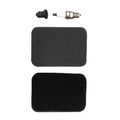

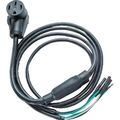
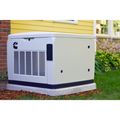

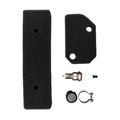



Generator pads and accessories cover the mounting surfaces and supporting hardware used to install a standby or portable generator on a stable, level base outside a home or business. A composite or precast concrete pad keeps the generator off bare soil, helping prevent the unit from settling unevenly over time and keeping ground moisture away from the housing and internal components. Beyond the pad itself, this category includes accessories like anchoring hardware, leveling shims, and vibration-dampening feet that help keep the generator stable during operation and reduce noise transferred through the mounting surface. Correct pad sizing depends on the generator's footprint and weight, since an undersized pad can shift or crack under a heavier standby unit over time. Electricians and generator installers benefit from having the right pad and mounting accessories on hand before the unit arrives on site, keeping the installation on schedule instead of waiting on a separate pad delivery.
Subcategories
- Composite Equipment Pads: Composite pads are molded from lightweight, weather-resistant material that resists cracking better than poured concrete over repeated freeze-thaw cycles. Most residential standby generators sit well on a composite pad, since it doesn't need cure time and can support the installation the same day it's set. Installers still need to confirm the pad's rated weight capacity matches the generator's operating weight before setting the unit down. Composite pads are typically easier to level on uneven ground than a precast concrete slab.
- Precast Concrete Pads: Precast concrete pads offer more mass and rigidity than composite alternatives, making them a common choice for larger commercial generators or sites with heavier soil movement. Delivery and placement require heavier equipment than a composite pad, since precast concrete sections weigh significantly more. Installers should confirm site access can accommodate the delivery method before ordering a precast pad. Anchoring hardware compatible with concrete is typically needed alongside the pad itself.
- Anchoring Hardware and Leveling Shims: Anchoring hardware secures the generator to its pad, keeping the unit from shifting during operation or in high wind conditions. Leveling shims correct small grade differences in the pad surface before the generator is set and bolted down. Skipping the leveling step can lead to vibration and uneven wear on the generator's internal mounts over time. Both components are inexpensive relative to the labor cost of a callback to fix a poorly leveled installation.
- Vibration Isolation Feet: Vibration isolation feet sit between the generator and its pad, cutting down on the noise and vibration transferred through the mounting surface during operation. Installations close to a property line, bedroom window, or shared wall benefit most from adding isolation feet at setup. Feet need to be rated for the generator's operating weight to function correctly under load. Adding isolation feet after the fact is more difficult than including them during the initial installation, since it usually means lifting the generator off the pad again.
Buying Guide
Choosing the right pad for a generator installation starts with the unit's footprint and operating weight, not just its power output. A pad that's undersized for the generator's weight can settle unevenly or crack over time, throwing off the level mounting surface the unit needs to run properly. Composite pads work well for most residential standby generators since they resist cracking and don't require the cure time of poured concrete, letting the installation move forward the same day the pad is set. Precast concrete pads are typically the better choice for larger commercial units or sites with heavier soil movement, since the added mass and rigidity handle more weight without shifting. Generator pads and accessories like anchoring hardware and leveling shims come into play once the pad is selected, since even a well-sized pad needs to sit level before the generator is secured to it. Skipping the leveling step can lead to vibration and noise issues later, along with uneven wear on the generator's internal mounts. Vibration isolation feet are worth adding between the generator and the pad on sites close to a property line or a bedroom window, since they cut down on the noise transferred through the mounting surface during operation. Confirming local code requirements for clearance and mounting height before the pad goes in also avoids a failed inspection after the generator is already installed.
Frequently Asked Questions
How do I size a pad for my generator?
Size the pad to the generator's footprint and operating weight rather than its power output, since an undersized pad can settle unevenly or crack under a heavier unit.
What's the difference between composite and concrete pads?
Composite pads resist cracking and don't need cure time, making them a common choice for residential installs, while precast concrete pads offer more mass and rigidity for larger commercial units or unstable soil.
Do I need to level the pad before installing the generator?
Yes, an unlevel pad can cause vibration and uneven wear on the generator's internal mounts over time.
What are vibration isolation feet for?
They sit between the generator and the pad to reduce noise transferred through the mounting surface, which matters most on sites near a property line or window.
Should I check local code before installing a generator pad?
Yes, clearance and mounting height requirements vary by jurisdiction, and checking them before the pad goes in avoids a failed inspection later.
