




Filter Cores and Blocks

 --%3E %3Csvg version='1.1' id='No-RB' xmlns='http://www.w3.org/2000/svg' xmlns:xlink='http://www.w3.org/1999/xlink' x='0px' y='0px' viewBox='0 0 100 100' enable-background='new 0 0 100 100' xml:space='preserve'%3E %3Cpath fill='%23CECECE' d='M79.44,0.95H20.56C9.78,0.95,0.95,9.78,0.95,20.56v58.87c0,10.79,8.82,19.61,19.61,19.61h58.87 c10.79,0,19.61-8.83,19.61-19.61V20.56C99.05,9.78,90.22,0.95,79.44,0.95z M65.38,58.24l9.38,29.58L49.69,69.78L24.5,87.82 l9.34-29.6L8.8,39.6l30.73-0.17c0,0,6.98-19.61,10-28.93c0.54,1.36,9.88,29.1,9.88,29.1H91.2L65.38,58.24z'/%3E %3C/svg%3E)





 --%3E %3Csvg version='1.1' id='Fill' xmlns='http://www.w3.org/2000/svg' xmlns:xlink='http://www.w3.org/1999/xlink' x='0px' y='0px' viewBox='0 0 100 100' enable-background='new 0 0 100 100' xml:space='preserve'%3E %3Cpath fill='%23F15C02' d='M79.44,0.95H20.56C9.78,0.95,0.95,9.78,0.95,20.56v58.87c0,10.79,8.82,19.61,19.61,19.61h58.87 c10.79,0,19.61-8.83,19.61-19.61V20.56C99.05,9.78,90.22,0.95,79.44,0.95z M65.38,58.24l9.38,29.58L49.69,69.78L24.5,87.82 l9.34-29.6L8.8,39.6l30.73-0.17c0,0,6.98-19.61,10-28.93c0.54,1.36,9.88,29.1,9.88,29.1H91.2L65.38,58.24z'/%3E %3C/svg%3E)
 --%3E %3Csvg version='1.1' id='With-RB' xmlns='http://www.w3.org/2000/svg' xmlns:xlink='http://www.w3.org/1999/xlink' x='0px' y='0px' viewBox='0 0 100 100' enable-background='new 0 0 100 100' xml:space='preserve'%3E %3Cpath fill='%23FBC8B4' d='M79.44,0.95H20.56C9.78,0.95,0.95,9.78,0.95,20.56v58.87c0,10.79,8.82,19.61,19.61,19.61h58.87 c10.79,0,19.61-8.83,19.61-19.61V20.56C99.05,9.78,90.22,0.95,79.44,0.95z M65.38,58.24l9.38,29.58L49.69,69.78L24.5,87.82 l9.34-29.6L8.8,39.6l30.73-0.17c0,0,6.98-19.61,10-28.93c0.54,1.36,9.88,29.1,9.88,29.1H91.2L65.38,58.24z'/%3E %3C/svg%3E)
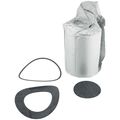


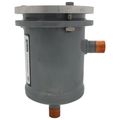


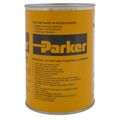
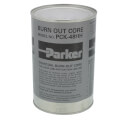
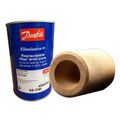

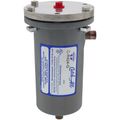

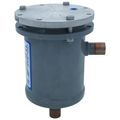
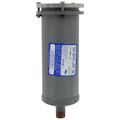
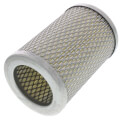
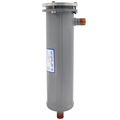
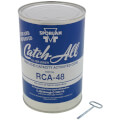
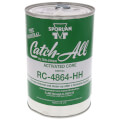
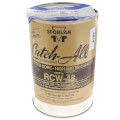
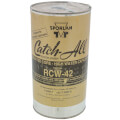
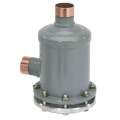
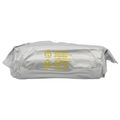
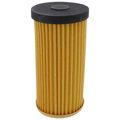

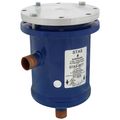

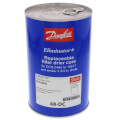
Filter cores and blocks are the replaceable filtering elements that fit inside a refrigerant filter drier shell, removing moisture, acids, dirt, and other contaminants from a liquid or suction line. Cores come in a range of capacities, including 48 cubic inch and 100 cubic inch sizes, so a technician can match the core to the load and contamination risk of the system being serviced. Many cores are built to be interchangeable with other cores and shells, so a service tech doesn't need to replace the entire drier housing every time the filtering media needs to be swapped out. Manufacturers including Sporlan and Emerson Flow Controls build cores for specific jobs, from standard moisture removal to high acid removal after a compressor burnout. Choosing the correct core capacity and filtering type keeps a refrigerant system protected without over-servicing equipment that doesn't need it.
Subcategories
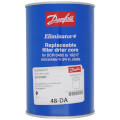
- Standard Replacement Cores: Standard replacement cores handle routine moisture and dirt removal in a liquid or suction line filter drier. The Sporlan RC-4864 is built with an activated core rated at 48 cubic inches, sized for common residential and light commercial refrigerant circuits. Technicians typically swap these on a service call when a system shows signs of moisture contamination rather than a major compressor failure. Matching the core's cubic inch rating to the original shell keeps flow restriction within the range the system was designed for.
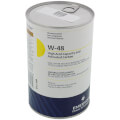
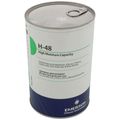
- High Acid Removal Cores: High acid removal cores are built for systems recovering from a compressor burnout, where refrigerant and oil pick up acid that has to be filtered out before the system runs clean again. The Emerson Flow Controls D-Series core is rated for high acid removal at 48 cubic inches. Some technicians step up to a larger core, such as the 100 cubic inch H-Series core rated for both acid and water removal, when a burnout has left significant contamination in the line set. Using an acid-rated core after a burnout protects the replacement compressor from repeat failure.
- Bi-Directional Cores: Bi-directional cores are designed to filter refrigerant flowing in either direction through the drier shell, which matters on heat pump systems that reverse flow between heating and cooling modes. The Sporlan RPE-48-BD is rated at 48 cubic inches and built for bi-directional service. Choosing a bi-directional core over a standard one-way core prevents contaminants from bypassing the filtering media when the system switches modes. Heat pump service techs generally stock bi-directional cores as their default rather than carrying two separate types.
Buying Guide
The starting point when choosing a replacement core is matching its cubic inch capacity to the original shell. Cores are available in a range of sizes, including 48 cubic inch and 100 cubic inch options, and an undersized core restricts flow while an oversized one may not seat correctly in the housing.
The next question is what the core needs to filter out. Routine service calls for moisture or dirt contamination call for a standard core, while a system recovering from a compressor burnout needs a core rated specifically for high acid removal, like the Emerson Flow Controls D-Series. For heavier post-burnout contamination, a larger acid-and-water-rated core, such as the 100 cubic inch H-Series, gives extra filtering capacity during the cleanup period.
System type matters too. Heat pumps that reverse refrigerant flow between heating and cooling need a bi-directional core, like the Sporlan RPE-48-BD, rather than a standard one-way core, since flow reverses through the drier shell on a regular basis.
Shopping for Filter Cores and Blocks comes down to those three factors together: capacity, contamination type, and flow direction. Getting any one of them wrong either restricts system performance or leaves contaminants in the line set that can damage a compressor down the road. Technicians who keep a stocked assortment across common capacities and both standard and acid-rated cores can handle most service calls without a special order.
Frequently Asked Questions
How do I know what size core to buy?
Match the core's cubic inch rating to the shell it's replacing, since sizes commonly run 16, 48, 96, 100, and 144 cubic inches. Checking the old core's marking or the drier housing's spec sheet before ordering avoids a mismatch that restricts refrigerant flow.
What's the difference between a standard core and an acid removal core?
A standard core is built for routine moisture and dirt filtration, while an acid removal core, like the Emerson Flow Controls D-Series, is designed to pull acid out of refrigerant and oil after a compressor burnout. Using a standard core after a burnout won't filter out the acid contamination properly.
When does a system need a bi-directional filter core?
Heat pumps that reverse refrigerant flow between heating and cooling cycles need a bi-directional core, such as the Sporlan RPE-48-BD, so filtering still works no matter which direction refrigerant is moving. A standard one-way core can let contaminants bypass the filtering media once flow reverses.
Can filter cores be swapped without replacing the whole shell?
Many cores are built to be interchangeable with other cores and shells, so a tech can swap the filtering element without replacing the entire drier housing. Confirming compatibility between the core and the existing shell before ordering still matters, since not every combination is interchangeable.
What size core is used after a major compressor burnout?
A larger acid-and-water-rated core, such as the 100 cubic inch H-Series, is a common choice after significant burnout contamination because it offers more filtering capacity during the cleanup period. Some techs follow up with a second core change once the system runs clean to confirm all contamination has cleared.
