




Filters
SORT
Product Availability –
Brand –
Product Type –
Material –
Size –
Review Score –
 --%3E %3Csvg version='1.1' id='Fill' xmlns='http://www.w3.org/2000/svg' xmlns:xlink='http://www.w3.org/1999/xlink' x='0px' y='0px' viewBox='0 0 100 100' enable-background='new 0 0 100 100' xml:space='preserve'%3E %3Cpath fill='%23F15C02' d='M79.44,0.95H20.56C9.78,0.95,0.95,9.78,0.95,20.56v58.87c0,10.79,8.82,19.61,19.61,19.61h58.87 c10.79,0,19.61-8.83,19.61-19.61V20.56C99.05,9.78,90.22,0.95,79.44,0.95z M65.38,58.24l9.38,29.58L49.69,69.78L24.5,87.82 l9.34-29.6L8.8,39.6l30.73-0.17c0,0,6.98-19.61,10-28.93c0.54,1.36,9.88,29.1,9.88,29.1H91.2L65.38,58.24z'/%3E %3C/svg%3E)
 --%3E %3Csvg version='1.1' id='With-RB' xmlns='http://www.w3.org/2000/svg' xmlns:xlink='http://www.w3.org/1999/xlink' x='0px' y='0px' viewBox='0 0 100 100' enable-background='new 0 0 100 100' xml:space='preserve'%3E %3Cpath fill='%23FBC8B4' d='M79.44,0.95H20.56C9.78,0.95,0.95,9.78,0.95,20.56v58.87c0,10.79,8.82,19.61,19.61,19.61h58.87 c10.79,0,19.61-8.83,19.61-19.61V20.56C99.05,9.78,90.22,0.95,79.44,0.95z M65.38,58.24l9.38,29.58L49.69,69.78L24.5,87.82 l9.34-29.6L8.8,39.6l30.73-0.17c0,0,6.98-19.61,10-28.93c0.54,1.36,9.88,29.1,9.88,29.1H91.2L65.38,58.24z'/%3E %3C/svg%3E)
Price Range –
Miscellaneous


 --%3E %3Csvg version='1.1' id='No-RB' xmlns='http://www.w3.org/2000/svg' xmlns:xlink='http://www.w3.org/1999/xlink' x='0px' y='0px' viewBox='0 0 100 100' enable-background='new 0 0 100 100' xml:space='preserve'%3E %3Cpath fill='%23CECECE' d='M79.44,0.95H20.56C9.78,0.95,0.95,9.78,0.95,20.56v58.87c0,10.79,8.82,19.61,19.61,19.61h58.87 c10.79,0,19.61-8.83,19.61-19.61V20.56C99.05,9.78,90.22,0.95,79.44,0.95z M65.38,58.24l9.38,29.58L49.69,69.78L24.5,87.82 l9.34-29.6L8.8,39.6l30.73-0.17c0,0,6.98-19.61,10-28.93c0.54,1.36,9.88,29.1,9.88,29.1H91.2L65.38,58.24z'/%3E %3C/svg%3E)
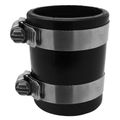

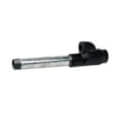
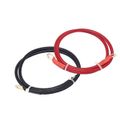
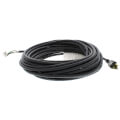
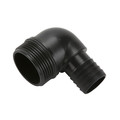
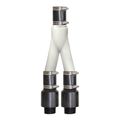
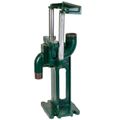
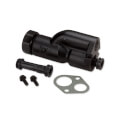


Miscellaneous is the SupplyHouse category for sump, sewage, and well pump parts and accessories that don't fall under a single standard part type. Contractors servicing residential and light commercial pump systems often need a specific component, such as a float switch, power cord, check valve fitting, or replacement impeller, rather than a full pump unit. Grouping these items together makes it faster to locate the exact part needed for a repair instead of searching through separate pump model listings. Pump systems fail for many different reasons: a stuck float switch, a worn impeller, a cracked check valve, or a damaged cord. Having a dedicated place for these smaller components matters because pump downtime in a sump or sewage application can lead to flooding or backup issues fast. Technicians stocking a truck for pump service calls rely on this category to round out repair kits without ordering full replacement units for problems that only need a single part.
Subcategories
- Float Switches & Controls: Float switches turn a sump, sewage, or effluent pump on and off automatically as water rises and falls in the basin. Plumbers use these controls when a pump loses its switch or when upgrading from manual operation to automatic. Vertical and tethered float styles are both common, with vertical switches suited to narrower basins where swing room is limited. Replacing a failed switch is often faster and less costly than replacing an entire pump.
- Power Cords & Plugs: Pump power cords carry the electrical connection between the motor and the outlet, and they wear out from repeated basin removal, moisture, and heat exposure long before the pump motor itself fails. Sump and sewage pump cords typically terminate in a standard grounded plug for connection to a dedicated outlet. Replacing a damaged cord restores a pump to service without opening the sealed motor housing. Technicians keep spare cords on hand because a cut or cracked cord is a common reason for a service call.
- Impellers & Wear Parts: Impellers move water through the pump housing, and they wear down over time from sand, grit, and solids passing through a sump or sewage system. Cast iron and thermoplastic impellers are both used, with material choice depending on the pump manufacturer and application. A worn impeller shows up as reduced flow or a pump that runs constantly without keeping up with incoming water. Swapping the impeller instead of the whole pump extends the service life of an otherwise working unit.
- Check Valves & Fittings: Check valves prevent water from flowing back into the sump or sewage basin after the pump shuts off, which keeps the pump from short-cycling. PVC and rubber check valve components in this category replace worn or cracked valves without requiring a full discharge line rebuild. Sewage ejector systems depend on a properly functioning check valve to avoid backflow and pump strain. Replacing a check valve is a common fix when a pump cycles more often than it should.
Buying Guide
Start with the pump's model and serial number before ordering any replacement part. Nameplate information tells which float switch, cord, impeller, or check valve fits a specific pump, since manufacturers rarely use interchangeable parts across product lines. Confirm the pump brand and horsepower rating first, since a part built for one manufacturer's pump housing usually won't fit another brand's casting even when the pump looks similar.
Next, identify which specific component actually failed. A pump that runs constantly but doesn't move water points to a worn impeller or a stuck check valve, while a pump that never turns on points to the float switch or the power cord. Testing each component individually before ordering avoids paying for a part that wasn't actually the problem.
Miscellaneous parts save time on repairs that don't need a full pump replacement, but matching the exact part number matters more here than in most categories because these components aren't standardized across brands. When the pump model or part number isn't available, contacting the manufacturer or checking the pump's original documentation is faster than guessing.
Finally, consider whether repairing an aging pump makes sense compared to replacing it. A pump nearing the end of its expected service life with a failed motor bearing usually isn't worth a parts repair, but a newer pump with a single failed float switch or cord is a straightforward, low-effort fix.
Frequently Asked Questions
What does the Miscellaneous category include for pump systems?
Miscellaneous covers sump, sewage, and well pump parts and accessories that don't fit under a single standard part category, including float switches, power cords, impellers, and check valves. Technicians use it to find individual replacement components instead of ordering an entire new pump. The category groups components across multiple pump brands and types.
How do I know which float switch fits my pump?
Float switches are matched to a pump by brand, model, and basin size rather than by a universal fit. Vertical float switches work well in narrow basins where a tethered float doesn't have room to swing freely. Checking the pump's nameplate or original documentation before ordering avoids a mismatch.
Can a worn impeller cause a pump to run without moving water?
Yes, a worn impeller is a common cause of a pump that runs but doesn't move water effectively. Sand, grit, and solids gradually wear down impeller vanes in sump and sewage applications, reducing flow. Replacing the impeller restores pump performance without requiring a full unit replacement.
Why does a check valve matter for a sewage ejector pump?
A check valve stops water from flowing back into the basin after the pump shuts off, which prevents short-cycling and extra wear on the motor. Sewage ejector systems depend on a properly sealing check valve to avoid backflow into the pit. A cracked or worn valve is a frequent reason a pump cycles more than expected.
When does it make sense to replace a pump part instead of the whole pump?
Replacing a single part makes sense when the rest of the pump is in good working condition and only one component, such as a switch, cord, or impeller, has failed. A pump nearing the end of its expected service life with a failed motor is usually not worth a parts repair. Checking the pump's age and overall condition helps decide between a targeted repair and a full replacement.
