




Filters
SORT
Product Availability –
Brand –
Voltage –
Amperage –
Review Score –
 --%3E %3Csvg version='1.1' id='Fill' xmlns='http://www.w3.org/2000/svg' xmlns:xlink='http://www.w3.org/1999/xlink' x='0px' y='0px' viewBox='0 0 100 100' enable-background='new 0 0 100 100' xml:space='preserve'%3E %3Cpath fill='%23F15C02' d='M79.44,0.95H20.56C9.78,0.95,0.95,9.78,0.95,20.56v58.87c0,10.79,8.82,19.61,19.61,19.61h58.87 c10.79,0,19.61-8.83,19.61-19.61V20.56C99.05,9.78,90.22,0.95,79.44,0.95z M65.38,58.24l9.38,29.58L49.69,69.78L24.5,87.82 l9.34-29.6L8.8,39.6l30.73-0.17c0,0,6.98-19.61,10-28.93c0.54,1.36,9.88,29.1,9.88,29.1H91.2L65.38,58.24z'/%3E %3C/svg%3E)
 --%3E %3Csvg version='1.1' id='With-RB' xmlns='http://www.w3.org/2000/svg' xmlns:xlink='http://www.w3.org/1999/xlink' x='0px' y='0px' viewBox='0 0 100 100' enable-background='new 0 0 100 100' xml:space='preserve'%3E %3Cpath fill='%23FBC8B4' d='M79.44,0.95H20.56C9.78,0.95,0.95,9.78,0.95,20.56v58.87c0,10.79,8.82,19.61,19.61,19.61h58.87 c10.79,0,19.61-8.83,19.61-19.61V20.56C99.05,9.78,90.22,0.95,79.44,0.95z M65.38,58.24l9.38,29.58L49.69,69.78L24.5,87.82 l9.34-29.6L8.8,39.6l30.73-0.17c0,0,6.98-19.61,10-28.93c0.54,1.36,9.88,29.1,9.88,29.1H91.2L65.38,58.24z'/%3E %3C/svg%3E)
Price Range –
Overload Relays


 --%3E %3Csvg version='1.1' id='No-RB' xmlns='http://www.w3.org/2000/svg' xmlns:xlink='http://www.w3.org/1999/xlink' x='0px' y='0px' viewBox='0 0 100 100' enable-background='new 0 0 100 100' xml:space='preserve'%3E %3Cpath fill='%23CECECE' d='M79.44,0.95H20.56C9.78,0.95,0.95,9.78,0.95,20.56v58.87c0,10.79,8.82,19.61,19.61,19.61h58.87 c10.79,0,19.61-8.83,19.61-19.61V20.56C99.05,9.78,90.22,0.95,79.44,0.95z M65.38,58.24l9.38,29.58L49.69,69.78L24.5,87.82 l9.34-29.6L8.8,39.6l30.73-0.17c0,0,6.98-19.61,10-28.93c0.54,1.36,9.88,29.1,9.88,29.1H91.2L65.38,58.24z'/%3E %3C/svg%3E)
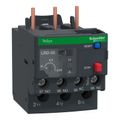

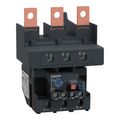
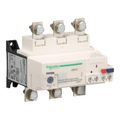

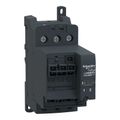





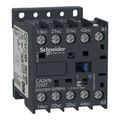
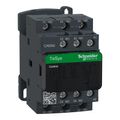



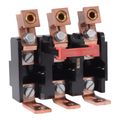
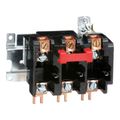
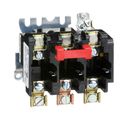


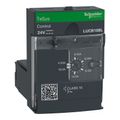


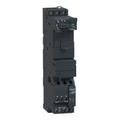


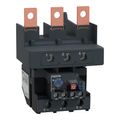


Overload relays are protective devices that monitor motor current and interrupt power when a motor draws more amperage than it is rated for. Electricians and HVAC technicians install them in the same enclosure as a motor starter to protect compressors, blowers, and pumps from damage caused by a locked rotor, a failing bearing, or a prolonged overload condition. Most overload relays use either a bimetallic strip or an electronic current sensor to detect the fault, tripping a set of contacts that cuts power to the motor before windings overheat. Because a nuisance trip can shut down equipment unnecessarily, matching the relay's amperage range to the motor's actual full-load current is a key step during installation. Replacing a worn or mis-sized overload relay is one of the more common repairs on commercial refrigeration and rooftop HVAC equipment.
Subcategories
- Bimetallic Overload Relays: Bimetallic overload relays use a heat-sensitive metal strip that bends as current passes through it, tripping the relay once the strip reaches a preset temperature tied to a specific overcurrent level. They are a common, cost-effective choice for standard motor starter applications. Manual or automatic reset options are typically available depending on how quickly a technician needs the circuit back in service.
- Electronic Overload Relays: Electronic overload relays use current sensors and a solid-state circuit to detect an overload condition, often with adjustable trip points and additional protection features like phase-loss detection. They tend to offer more precise, repeatable trip settings than a bimetallic design. Many models display fault information that helps a technician diagnose why a motor tripped.
- Overload Relay Heaters: Overload relay heaters are the replaceable elements inside a bimetallic relay that are sized to a specific motor's full-load amperage. Swapping the heater element lets a technician adjust an existing relay to protect a different motor without replacing the whole relay body. Heaters are selected from a manufacturer's amperage chart based on the motor's nameplate rating.
Buying Guide
Sizing overload relays correctly starts with the motor's nameplate full-load current rather than the motor's horsepower rating, since two motors of the same horsepower can draw different amperage depending on voltage and efficiency. Most manufacturers publish an amperage range for each relay or heater element, and the goal is to select a range that brackets the motor's actual full-load current rather than just its maximum rated output. Reset style is worth considering next. A manual-reset relay requires someone to physically reset the device after a trip, which is useful when a technician wants to inspect the equipment before restarting it. An automatic-reset relay restores power on its own once the bimetallic strip cools, which suits unattended equipment where a nuisance trip should not leave a system down indefinitely. Ambient temperature at the installation location matters too, particularly for bimetallic relays, since some models are compensated for temperature swings in the enclosure and others are not. Overload relays installed in an uninsulated rooftop enclosure that sees wide seasonal swings benefit from a temperature-compensated design. Compatibility with the existing motor starter or contactor is the final check; overload relays are typically matched to a specific contactor frame size, so confirming fit before ordering avoids a part that will not mount correctly.
Frequently Asked Questions
How do I size an overload relay for a motor?
Size the relay to the motor's full-load current listed on its nameplate, not its horsepower rating. Most manufacturers publish a chart matching amperage ranges to specific relay or heater part numbers.
What is the difference between a manual and automatic reset overload relay?
A manual-reset relay stays tripped until someone presses the reset button, while an automatic-reset relay restores power on its own once it cools down. Manual reset is preferred where a technician wants to check the equipment before restarting it.
Why does an overload relay keep tripping even though the motor seems fine?
A relay sized too small for the motor's actual running current will trip repeatedly even on a healthy motor. Checking the relay's amperage range against the motor's nameplate current is the first troubleshooting step.
Can an overload relay heater be swapped without replacing the whole relay?
Yes, on bimetallic-style relays the heater element is replaceable and can be resized to match a different motor without swapping the relay body.
Do electronic overload relays need to be programmed?
Most electronic overload relays require setting a trip current on a dial or keypad rather than full programming. Some models also let a technician set additional protections, like phase-loss detection, at the same time.
