




Filters
SORT
Product Availability –
Application –
Programmability –
Mount –
User Interface –
Options –
Power Method –
Review Score –
 --%3E %3Csvg version='1.1' id='Fill' xmlns='http://www.w3.org/2000/svg' xmlns:xlink='http://www.w3.org/1999/xlink' x='0px' y='0px' viewBox='0 0 100 100' enable-background='new 0 0 100 100' xml:space='preserve'%3E %3Cpath fill='%23F15C02' d='M79.44,0.95H20.56C9.78,0.95,0.95,9.78,0.95,20.56v58.87c0,10.79,8.82,19.61,19.61,19.61h58.87 c10.79,0,19.61-8.83,19.61-19.61V20.56C99.05,9.78,90.22,0.95,79.44,0.95z M65.38,58.24l9.38,29.58L49.69,69.78L24.5,87.82 l9.34-29.6L8.8,39.6l30.73-0.17c0,0,6.98-19.61,10-28.93c0.54,1.36,9.88,29.1,9.88,29.1H91.2L65.38,58.24z'/%3E %3C/svg%3E)
 --%3E %3Csvg version='1.1' id='With-RB' xmlns='http://www.w3.org/2000/svg' xmlns:xlink='http://www.w3.org/1999/xlink' x='0px' y='0px' viewBox='0 0 100 100' enable-background='new 0 0 100 100' xml:space='preserve'%3E %3Cpath fill='%23FBC8B4' d='M79.44,0.95H20.56C9.78,0.95,0.95,9.78,0.95,20.56v58.87c0,10.79,8.82,19.61,19.61,19.61h58.87 c10.79,0,19.61-8.83,19.61-19.61V20.56C99.05,9.78,90.22,0.95,79.44,0.95z M65.38,58.24l9.38,29.58L49.69,69.78L24.5,87.82 l9.34-29.6L8.8,39.6l30.73-0.17c0,0,6.98-19.61,10-28.93c0.54,1.36,9.88,29.1,9.88,29.1H91.2L65.38,58.24z'/%3E %3C/svg%3E)
Price Range –
Peco Thermostats





 --%3E %3Csvg version='1.1' id='No-RB' xmlns='http://www.w3.org/2000/svg' xmlns:xlink='http://www.w3.org/1999/xlink' x='0px' y='0px' viewBox='0 0 100 100' enable-background='new 0 0 100 100' xml:space='preserve'%3E %3Cpath fill='%23CECECE' d='M79.44,0.95H20.56C9.78,0.95,0.95,9.78,0.95,20.56v58.87c0,10.79,8.82,19.61,19.61,19.61h58.87 c10.79,0,19.61-8.83,19.61-19.61V20.56C99.05,9.78,90.22,0.95,79.44,0.95z M65.38,58.24l9.38,29.58L49.69,69.78L24.5,87.82 l9.34-29.6L8.8,39.6l30.73-0.17c0,0,6.98-19.61,10-28.93c0.54,1.36,9.88,29.1,9.88,29.1H91.2L65.38,58.24z'/%3E %3C/svg%3E)


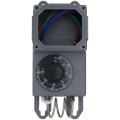
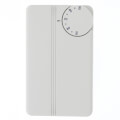

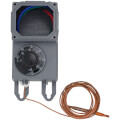
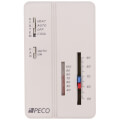

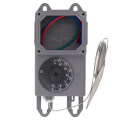
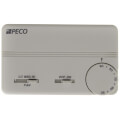
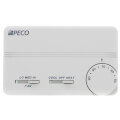

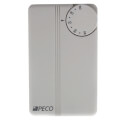


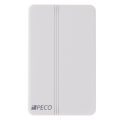
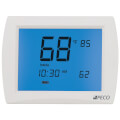

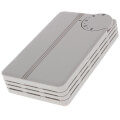

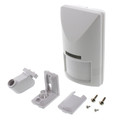

Peco thermostats are commercial grade temperature controls built for the fan coil, heat pump, and packaged rooftop systems commonly found in hotels, offices, schools, and multifamily buildings. Facility teams and mechanical contractors turn to these controls when a job calls for durable hardware rather than a residential smart thermostat, since commercial spaces see heavier daily use and often need tamper resistant covers or limited access programming. A Peco thermostat typically pairs a simple, reliable interface with wiring configurations that match common commercial equipment, which keeps installation straightforward for a technician working through a building full of units. Options range from basic non-programmable models for a boiler room or mechanical closet to programmable and networked controls for buildings managing energy use across many zones. Choosing the right model comes down to the equipment being controlled, the level of occupant control the building wants to allow, and whether the site needs standalone units or a networked control strategy.
Subcategories
- Non-Programmable Thermostats: Non-programmable thermostats hold a single set point that only building staff or a technician can adjust, which suits mechanical rooms, common areas, and any space where a facility wants to limit tenant control. They are simple to wire and simple to explain to on-site staff, with no schedule to configure during installation. This style is a common choice for landlords who want predictable energy use across multiple rental units.
- Programmable Thermostats: Programmable thermostats let a building manager set different temperatures by time of day, which helps reduce runtime in unoccupied hours without staff manually adjusting each unit. These models fit offices, classrooms, and other spaces with a predictable occupancy schedule. Most units keep the programming logic on board the thermostat itself, so no separate controller is needed.
- Fan Coil Thermostats: Fan coil thermostats are wired specifically to control the fan speed and valve or damper actuation on a fan coil unit, which is common equipment in hotel rooms and apartment buildings. They typically include a fan speed selector alongside heating and cooling controls. Matching the thermostat to the fan coil's wiring configuration avoids callbacks for units that will not switch stages correctly.
- Heat Pump Thermostats: Heat pump thermostats are designed to manage the staging and auxiliary heat sequencing that heat pump systems need, which is different from the simpler wiring on a straight cool or gas furnace setup. Contractors working on multifamily or light commercial heat pump installations look for a model that supports the number of heating and cooling stages the equipment requires. Getting the staging setup right during commissioning keeps the system from short cycling.
Buying Guide
Selecting from the Peco Thermostats lineup starts with identifying the equipment on the other end of the wiring: fan coil, heat pump, and packaged rooftop units each call for a thermostat built to handle their specific staging and control needs. A model that lacks the right number of heating or cooling stages will not run the equipment correctly, so confirming stage count and wiring configuration against the unit's specifications is the first step before ordering. Building type matters too, since a hotel or apartment building often benefits from tamper resistant covers and limited guest access, while an office or school may want programmable schedules that automatically set back temperatures overnight and on weekends. Contractors managing several buildings for the same owner should also consider whether a networked control system makes more sense than standalone thermostats, since centralized monitoring can flag a failed unit before a tenant complaint comes in. For straightforward mechanical room or utility space applications, a basic non-programmable model keeps installation simple and reduces the chance of a tenant overriding a set point that was chosen for energy efficiency. Reviewing the wiring diagram for the connected equipment before placing an order is the most reliable way to avoid a mismatched thermostat holding up a job.
Frequently Asked Questions
What equipment do Peco thermostats typically control?
Peco thermostats are commonly wired to fan coil units, heat pumps, and packaged rooftop systems found in commercial and multifamily buildings. The right model depends on matching the thermostat's staging and wiring configuration to the specific equipment being controlled.
Are Peco thermostats suitable for residential use?
While they can be installed in a home, Peco thermostats are built primarily for commercial applications like hotels, offices, and apartment buildings where durability and tamper resistance matter more than smart home features. A homeowner looking for app based scheduling will likely find a residential smart thermostat a better fit.
What is the difference between a programmable and non-programmable model?
A programmable thermostat lets a building manager set different temperatures for different times of day, while a non-programmable model holds one fixed set point until someone manually changes it. Mechanical rooms and common areas often use non-programmable models to keep set points consistent.
Why does a heat pump need a specific thermostat?
Heat pumps rely on staged heating and cooling along with auxiliary heat sequencing that a straightforward gas furnace thermostat is not built to manage. A thermostat matched to the heat pump's stage count keeps the system from short cycling or running auxiliary heat unnecessarily.
Can tenants override the temperature on these thermostats?
Many commercial models include limited access programming or tamper resistant covers that restrict how far a tenant or guest can adjust the set point. This helps building owners manage energy costs across multiple units without staff checking each thermostat.
