




Filters
SORT
Product Availability –
Category –
Review Score –
 --%3E %3Csvg version='1.1' id='Fill' xmlns='http://www.w3.org/2000/svg' xmlns:xlink='http://www.w3.org/1999/xlink' x='0px' y='0px' viewBox='0 0 100 100' enable-background='new 0 0 100 100' xml:space='preserve'%3E %3Cpath fill='%23F15C02' d='M79.44,0.95H20.56C9.78,0.95,0.95,9.78,0.95,20.56v58.87c0,10.79,8.82,19.61,19.61,19.61h58.87 c10.79,0,19.61-8.83,19.61-19.61V20.56C99.05,9.78,90.22,0.95,79.44,0.95z M65.38,58.24l9.38,29.58L49.69,69.78L24.5,87.82 l9.34-29.6L8.8,39.6l30.73-0.17c0,0,6.98-19.61,10-28.93c0.54,1.36,9.88,29.1,9.88,29.1H91.2L65.38,58.24z'/%3E %3C/svg%3E)
 --%3E %3Csvg version='1.1' id='With-RB' xmlns='http://www.w3.org/2000/svg' xmlns:xlink='http://www.w3.org/1999/xlink' x='0px' y='0px' viewBox='0 0 100 100' enable-background='new 0 0 100 100' xml:space='preserve'%3E %3Cpath fill='%23FBC8B4' d='M79.44,0.95H20.56C9.78,0.95,0.95,9.78,0.95,20.56v58.87c0,10.79,8.82,19.61,19.61,19.61h58.87 c10.79,0,19.61-8.83,19.61-19.61V20.56C99.05,9.78,90.22,0.95,79.44,0.95z M65.38,58.24l9.38,29.58L49.69,69.78L24.5,87.82 l9.34-29.6L8.8,39.6l30.73-0.17c0,0,6.98-19.61,10-28.93c0.54,1.36,9.88,29.1,9.88,29.1H91.2L65.38,58.24z'/%3E %3C/svg%3E)
Price Range –
Viega Controls & Valves



 --%3E %3Csvg version='1.1' id='No-RB' xmlns='http://www.w3.org/2000/svg' xmlns:xlink='http://www.w3.org/1999/xlink' x='0px' y='0px' viewBox='0 0 100 100' enable-background='new 0 0 100 100' xml:space='preserve'%3E %3Cpath fill='%23CECECE' d='M79.44,0.95H20.56C9.78,0.95,0.95,9.78,0.95,20.56v58.87c0,10.79,8.82,19.61,19.61,19.61h58.87 c10.79,0,19.61-8.83,19.61-19.61V20.56C99.05,9.78,90.22,0.95,79.44,0.95z M65.38,58.24l9.38,29.58L49.69,69.78L24.5,87.82 l9.34-29.6L8.8,39.6l30.73-0.17c0,0,6.98-19.61,10-28.93c0.54,1.36,9.88,29.1,9.88,29.1H91.2L65.38,58.24z'/%3E %3C/svg%3E)
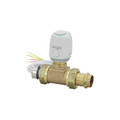

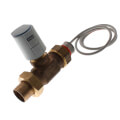
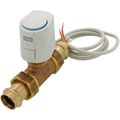




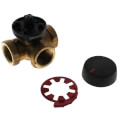
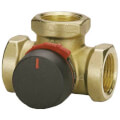
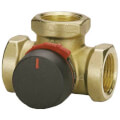

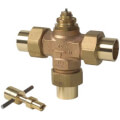
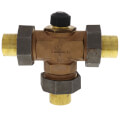
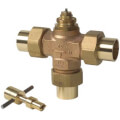
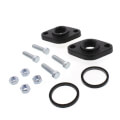


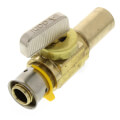
Viega controls and valves cover the shutoff, balancing, and flow-control components installed alongside Viega's press-connect piping systems in plumbing and hydronic installations. These parts let a contractor isolate a section of piping for service, balance flow across multiple branches, or regulate pressure at a fixture, all while keeping the same press-connect installation method used for the rest of the piping run. Using valves designed for press connections means the contractor doesn't have to switch tools or techniques partway through a job just to install a shutoff or balancing valve.
Because these valves integrate with press-connect piping, they're specified most often on jobs already committed to a press-fit system, whether that's copper press, stainless press, or a plastic press piping line. Matching the valve's connection type and size to the piping already run keeps the whole system installed with one consistent method from the main run down to the individual fixture shutoff.
Subcategories
- Ball Valves: Ball valves provide full-flow shutoff for isolating a section of piping during repairs or fixture replacement. With a press connection on one or both ends, a ball valve installs inline with the same tool used for the rest of the run, and the quarter-turn handle gives a clear visual indication of open or closed position.
- Balancing Valves: Balancing valves regulate flow rate through a specific branch of a hydronic system, which is used to even out heating or cooling output across multiple zones fed from one source. Installers set the valve during commissioning to achieve the design flow rate for that branch, and the valve holds that setting through normal operation.
- Check Valves: Check valves allow flow in one direction only, preventing backflow into a supply line or preventing a pump from being driven backward when it's not running. These are placed at points in the system where reverse flow could cause water hammer, pump damage, or contamination of a clean supply line.
- Pressure-Reducing Valves: Pressure-reducing valves lower incoming water pressure to a safe, consistent level for the piping and fixtures downstream, protecting the system from municipal supply pressure spikes that can exceed a fixture's rated pressure. These are typically installed near the point where the main service line enters the building.
Buying Guide
Confirm the piping system already in use, copper press, stainless press, or plastic press, before selecting a valve, since press-connect valves are built for a specific press profile and jaw size. A valve meant for one press system won't seal correctly with a press tool set up for a different profile.
Choose the valve type based on its function in the system rather than defaulting to a ball valve everywhere. A balancing valve belongs on a hydronic branch that needs flow regulation, a check valve belongs wherever backflow is a risk, and a pressure-reducing valve belongs near the building's main water entry point.
Size the valve to match the pipe diameter of the run it's installed on. An undersized valve restricts flow more than intended, while an oversized valve adds unnecessary cost and may not seat properly in a tight mechanical room.
On jobs with multiple valve types, standardizing on one manufacturer's press-connect valve line keeps installation consistent across the crew and avoids having to source adapters between different press profiles.
Finally, plan valve placement for future access. Shutoff and balancing valves installed behind finished walls or in hard-to-reach mechanical spaces are far more difficult to service later, so place valves where a technician can reach them without demolition.
Frequently Asked Questions
Do Viega valves require the same press tool as the piping system?
Yes, press-connect valves are built for a specific press profile matching the piping system, so the same press tool and jaw set used for the pipe connections is used for the valve connections.
What's the purpose of a balancing valve in a hydronic system?
A balancing valve regulates flow rate through a specific branch, which helps even out heating or cooling output across multiple zones fed from a shared source. It's set during system commissioning to hit the design flow rate for that branch.
Where should a pressure-reducing valve be installed?
Pressure-reducing valves are typically installed near where the main water service line enters the building, protecting the piping and fixtures downstream from high or fluctuating municipal supply pressure.
Can a check valve be installed in any orientation?
Check valves are directional and only allow flow one way, so they must be installed with the flow arrow matching the actual direction of flow in that line. Installing one backward will block flow entirely.
Why choose a press-connect valve instead of a threaded or soldered valve?
A press-connect valve keeps the installation method consistent with press-fit piping already in use, avoiding the need to switch tools or techniques partway through the job for shutoff or control components.
