




Filters
SORT
Product Availability –
Brand –
Pad Type –
Dimensions –
Product Type –
Thickness –
Review Score –
 --%3E %3Csvg version='1.1' id='Fill' xmlns='http://www.w3.org/2000/svg' xmlns:xlink='http://www.w3.org/1999/xlink' x='0px' y='0px' viewBox='0 0 100 100' enable-background='new 0 0 100 100' xml:space='preserve'%3E %3Cpath fill='%23F15C02' d='M79.44,0.95H20.56C9.78,0.95,0.95,9.78,0.95,20.56v58.87c0,10.79,8.82,19.61,19.61,19.61h58.87 c10.79,0,19.61-8.83,19.61-19.61V20.56C99.05,9.78,90.22,0.95,79.44,0.95z M65.38,58.24l9.38,29.58L49.69,69.78L24.5,87.82 l9.34-29.6L8.8,39.6l30.73-0.17c0,0,6.98-19.61,10-28.93c0.54,1.36,9.88,29.1,9.88,29.1H91.2L65.38,58.24z'/%3E %3C/svg%3E)
 --%3E %3Csvg version='1.1' id='With-RB' xmlns='http://www.w3.org/2000/svg' xmlns:xlink='http://www.w3.org/1999/xlink' x='0px' y='0px' viewBox='0 0 100 100' enable-background='new 0 0 100 100' xml:space='preserve'%3E %3Cpath fill='%23FBC8B4' d='M79.44,0.95H20.56C9.78,0.95,0.95,9.78,0.95,20.56v58.87c0,10.79,8.82,19.61,19.61,19.61h58.87 c10.79,0,19.61-8.83,19.61-19.61V20.56C99.05,9.78,90.22,0.95,79.44,0.95z M65.38,58.24l9.38,29.58L49.69,69.78L24.5,87.82 l9.34-29.6L8.8,39.6l30.73-0.17c0,0,6.98-19.61,10-28.93c0.54,1.36,9.88,29.1,9.88,29.1H91.2L65.38,58.24z'/%3E %3C/svg%3E)
Price Range –
Pads

 --%3E %3Csvg version='1.1' id='Half' xmlns='http://www.w3.org/2000/svg' xmlns:xlink='http://www.w3.org/1999/xlink' x='0px' y='0px' viewBox='0 0 100 100' enable-background='new 0 0 100 100' xml:space='preserve'%3E %3Cg%3E %3Cpath fill='%23F15C02' d='M30.05,70.23l3.79-12.01L8.8,39.6l30.73-0.17c0,0,6.98-19.61,10-28.93c0.54,1.36,9.88,29.1,9.88,29.1h1.58 L93.71,7.18c-3.58-3.82-8.66-6.23-14.28-6.23H20.56C9.78,0.95,0.95,9.78,0.95,20.56v58.87c0,5.41,2.22,10.32,5.79,13.88 L30.05,70.23z'/%3E %3C/g%3E %3Cpath fill='%23FBC8B4' d='M93.71,7.18L60.98,39.6H91.2L65.38,58.24l9.38,29.58L49.69,69.78L24.5,87.82l5.55-17.59L6.75,93.32 c3.55,3.54,8.44,5.73,13.82,5.73h58.87c10.79,0,19.61-8.83,19.61-19.61V20.56C99.05,15.4,97.01,10.69,93.71,7.18z'/%3E %3C/svg%3E)
 --%3E %3Csvg version='1.1' id='No-RB' xmlns='http://www.w3.org/2000/svg' xmlns:xlink='http://www.w3.org/1999/xlink' x='0px' y='0px' viewBox='0 0 100 100' enable-background='new 0 0 100 100' xml:space='preserve'%3E %3Cpath fill='%23CECECE' d='M79.44,0.95H20.56C9.78,0.95,0.95,9.78,0.95,20.56v58.87c0,10.79,8.82,19.61,19.61,19.61h58.87 c10.79,0,19.61-8.83,19.61-19.61V20.56C99.05,9.78,90.22,0.95,79.44,0.95z M65.38,58.24l9.38,29.58L49.69,69.78L24.5,87.82 l9.34-29.6L8.8,39.6l30.73-0.17c0,0,6.98-19.61,10-28.93c0.54,1.36,9.88,29.1,9.88,29.1H91.2L65.38,58.24z'/%3E %3C/svg%3E)
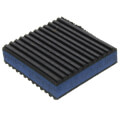
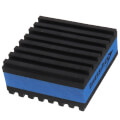
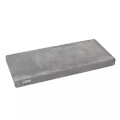
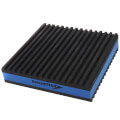
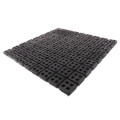
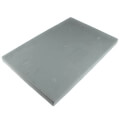
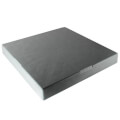
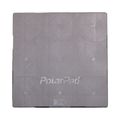
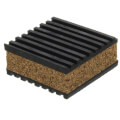
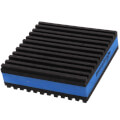
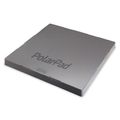
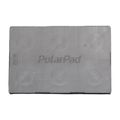
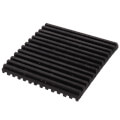
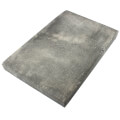
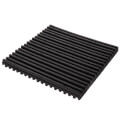
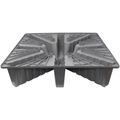
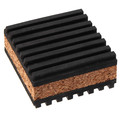
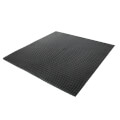
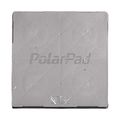
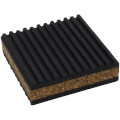
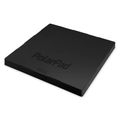
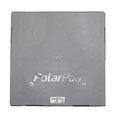
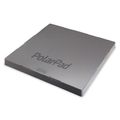
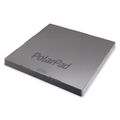
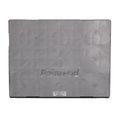

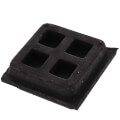
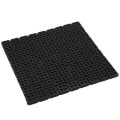
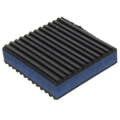
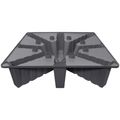
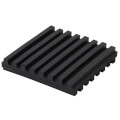
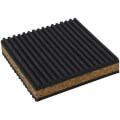
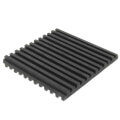
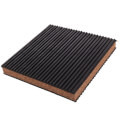
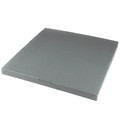
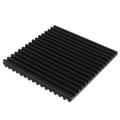

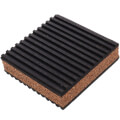
Pads in this category are equipment support pads used to set outdoor condensing units, heat pumps, and similar mechanical equipment above grade, keeping the unit level and off bare ground where standing water, mud, and settling soil would otherwise shorten its service life. A properly placed pad spreads the equipment's weight evenly, resists cracking under freeze-thaw cycles, and keeps the base of the unit above typical snow and debris accumulation in the yard. Contractors size a pad to the equipment's footprint with enough margin around the edges for service access and airflow clearance. Because the pad sits under equipment that has to stay level for the compressor and refrigerant lines to perform correctly over time, checking that the ground beneath it is compacted and well-drained before setting the pad matters as much as the pad material itself. A stable, level pad reduces vibration transfer and keeps outdoor equipment supported for the long run.
Subcategories
- Composite Equipment Pads: Composite pads are molded from recycled or synthetic material designed to resist cracking, chipping, and moisture absorption better than traditional poured concrete. They are lighter than concrete equivalents, which makes them easier to carry and set on a job site without equipment. Composite pads are commonly used under residential condensing units and heat pumps where a poured pad is not practical. Checking the manufacturer's weight rating against the equipment being installed is a necessary step before use.
- Concrete Equipment Pads: Precast concrete pads offer high weight capacity and long-term durability, making them a common choice for larger commercial condensing units or equipment that will stay in place for many years. Because of their weight, these pads typically require two people or mechanical assistance to set in place, unlike lighter composite alternatives. Concrete pads hold up well in areas with heavy equipment loads or frequent freeze-thaw cycling. Proper base preparation is especially important with concrete pads since they can crack if the ground beneath them settles unevenly.
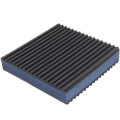
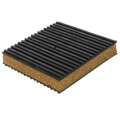
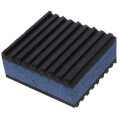
- Vibration Isolation Pads: Vibration isolation pads sit between the equipment and the support pad or mounting surface to reduce noise and vibration transfer into the building structure or surrounding ground. These are often layered with a standard equipment pad rather than used as a standalone support. Contractors add isolation pads on rooftop or close-to-structure installations where vibration noise complaints are more likely. Matching pad thickness and durometer to the equipment weight keeps the isolation effective without allowing excess movement.
Buying Guide
Start with the footprint and weight of the equipment being installed, since a pad needs to be sized with enough margin around the unit's base for stability and service access, not just matched exactly to the equipment's dimensions. Manufacturers rate their pads for a maximum supported weight, and exceeding that rating risks cracking or uneven settling over time.
Consider the site conditions where the pad will be installed. Ground that floods seasonally or sits in a low spot may call for a taller pad or additional gravel base beneath it to keep the equipment above standing water. Areas with significant freeze-thaw cycling benefit from a pad material rated to resist cracking under repeated expansion and contraction, since a cracked pad can let equipment settle unevenly and stress refrigerant line connections.
Weigh material choice against installation logistics. Pads in this category range from lightweight composite options that one person can carry and set to heavier precast concrete units that need mechanical assistance, and the right choice often comes down to site access and crew size available on installation day. For rooftop or noise-sensitive installations, pairing a standard pad with a vibration isolation layer helps keep operating noise from transferring into occupied space below.
Frequently Asked Questions
Why does outdoor HVAC equipment need to sit on a pad instead of the ground?
A pad keeps the unit level, spreads its weight evenly, and lifts it above standing water, mud, and typical snow accumulation that would otherwise accelerate corrosion and settling. Equipment set directly on bare ground is more prone to shifting out of level over time, which can stress refrigerant line connections. A properly set pad extends the practical service life of the equipment above it.
How do I choose between a composite pad and a concrete pad?
Composite pads are lighter and easier to handle on site, making them a common choice for smaller residential condensing units, while concrete pads offer higher weight capacity for larger commercial equipment or long-term installations. The decision often comes down to the equipment's weight rating and how much handling assistance is available on the job. Both materials work well when properly sized and set on a stable base.
Does the ground under the pad need special preparation?
Yes, a compacted and well-drained base beneath the pad prevents uneven settling that can crack the pad or tilt the equipment over time. A thin layer of compacted gravel is common practice under both composite and concrete pads. Skipping base preparation is one of the more common reasons a pad settles unevenly within the first year or two.
When is a vibration isolation pad needed in addition to a standard equipment pad?
Vibration isolation pads are typically added on rooftop installations or in locations close to occupied space where equipment noise and vibration could transfer into the building structure. They are usually layered on top of or beneath a standard support pad rather than replacing it. Checking pad thickness and durometer against the equipment's weight keeps the isolation effective.
How much bigger than the equipment footprint should a pad be?
Most installers leave a margin of a few inches around each side of the equipment's base for stability and to allow room for service access and airflow clearance around the unit. An undersized pad can leave part of the equipment's weight unsupported at the edges, increasing the risk of tilting over time. Checking the equipment manufacturer's clearance requirements alongside the pad size helps avoid both problems at once.
