




Filters
SORT
Product Availability –
Brand –
Review Score –
 --%3E %3Csvg version='1.1' id='Fill' xmlns='http://www.w3.org/2000/svg' xmlns:xlink='http://www.w3.org/1999/xlink' x='0px' y='0px' viewBox='0 0 100 100' enable-background='new 0 0 100 100' xml:space='preserve'%3E %3Cpath fill='%23F15C02' d='M79.44,0.95H20.56C9.78,0.95,0.95,9.78,0.95,20.56v58.87c0,10.79,8.82,19.61,19.61,19.61h58.87 c10.79,0,19.61-8.83,19.61-19.61V20.56C99.05,9.78,90.22,0.95,79.44,0.95z M65.38,58.24l9.38,29.58L49.69,69.78L24.5,87.82 l9.34-29.6L8.8,39.6l30.73-0.17c0,0,6.98-19.61,10-28.93c0.54,1.36,9.88,29.1,9.88,29.1H91.2L65.38,58.24z'/%3E %3C/svg%3E)
 --%3E %3Csvg version='1.1' id='With-RB' xmlns='http://www.w3.org/2000/svg' xmlns:xlink='http://www.w3.org/1999/xlink' x='0px' y='0px' viewBox='0 0 100 100' enable-background='new 0 0 100 100' xml:space='preserve'%3E %3Cpath fill='%23FBC8B4' d='M79.44,0.95H20.56C9.78,0.95,0.95,9.78,0.95,20.56v58.87c0,10.79,8.82,19.61,19.61,19.61h58.87 c10.79,0,19.61-8.83,19.61-19.61V20.56C99.05,9.78,90.22,0.95,79.44,0.95z M65.38,58.24l9.38,29.58L49.69,69.78L24.5,87.82 l9.34-29.6L8.8,39.6l30.73-0.17c0,0,6.98-19.61,10-28.93c0.54,1.36,9.88,29.1,9.88,29.1H91.2L65.38,58.24z'/%3E %3C/svg%3E)
Price Range –
American Standard Toilet Parts




 --%3E %3Csvg version='1.1' id='No-RB' xmlns='http://www.w3.org/2000/svg' xmlns:xlink='http://www.w3.org/1999/xlink' x='0px' y='0px' viewBox='0 0 100 100' enable-background='new 0 0 100 100' xml:space='preserve'%3E %3Cpath fill='%23CECECE' d='M79.44,0.95H20.56C9.78,0.95,0.95,9.78,0.95,20.56v58.87c0,10.79,8.82,19.61,19.61,19.61h58.87 c10.79,0,19.61-8.83,19.61-19.61V20.56C99.05,9.78,90.22,0.95,79.44,0.95z M65.38,58.24l9.38,29.58L49.69,69.78L24.5,87.82 l9.34-29.6L8.8,39.6l30.73-0.17c0,0,6.98-19.61,10-28.93c0.54,1.36,9.88,29.1,9.88,29.1H91.2L65.38,58.24z'/%3E %3C/svg%3E)

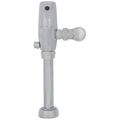
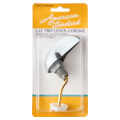
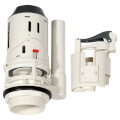
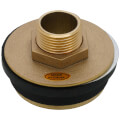
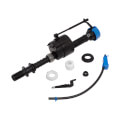
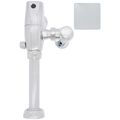
 --%3E %3Csvg version='1.1' id='Half' xmlns='http://www.w3.org/2000/svg' xmlns:xlink='http://www.w3.org/1999/xlink' x='0px' y='0px' viewBox='0 0 100 100' enable-background='new 0 0 100 100' xml:space='preserve'%3E %3Cg%3E %3Cpath fill='%23F15C02' d='M30.05,70.23l3.79-12.01L8.8,39.6l30.73-0.17c0,0,6.98-19.61,10-28.93c0.54,1.36,9.88,29.1,9.88,29.1h1.58 L93.71,7.18c-3.58-3.82-8.66-6.23-14.28-6.23H20.56C9.78,0.95,0.95,9.78,0.95,20.56v58.87c0,5.41,2.22,10.32,5.79,13.88 L30.05,70.23z'/%3E %3C/g%3E %3Cpath fill='%23FBC8B4' d='M93.71,7.18L60.98,39.6H91.2L65.38,58.24l9.38,29.58L49.69,69.78L24.5,87.82l5.55-17.59L6.75,93.32 c3.55,3.54,8.44,5.73,13.82,5.73h58.87c10.79,0,19.61-8.83,19.61-19.61V20.56C99.05,15.4,97.01,10.69,93.71,7.18z'/%3E %3C/svg%3E)

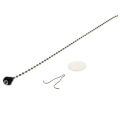
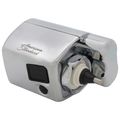
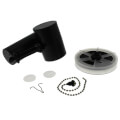

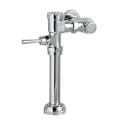
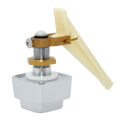

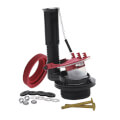
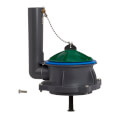
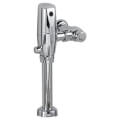
American Standard toilet parts cover the fill valves, flush valves, flappers, tank-to-bowl gaskets, and trip levers used to service American Standard toilets already installed in a home or building. Plumbers reach for this category when a specific tank or bowl component fails rather than replacing the entire fixture. Matching parts to the exact toilet model keeps flush performance and water usage consistent with how the fixture was originally designed to perform. Tank components such as fill valves and flappers typically wear out faster than the bowl and tank themselves, making them some of the most common replacement parts ordered for an otherwise functional toilet. Confirming the toilet's model number before ordering helps avoid a parts mismatch, since American Standard has used several different tank and flush mechanism designs across its product line over the years. Keeping commonly replaced parts on hand shortens most toilet service calls to a single visit.
Subcategories
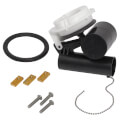
- Fill Valves: Fill valves control how the tank refills after a flush and shut off once the water reaches the correct level. A worn fill valve is one of the most common causes of a toilet that runs continuously or refills slowly. Replacement fill valves need to match the tank's inlet connection and fit within the available vertical space inside the tank. Adjustable fill valves cover a range of tank heights, which simplifies stocking for service work across multiple toilet models.
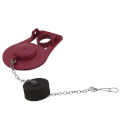
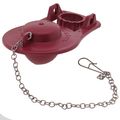
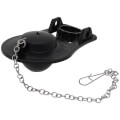
- Flush Valves and Flappers: Flush valves and flappers seal the tank outlet between flushes and release water into the bowl when the trip lever is activated. A flapper that no longer seals completely is a frequent cause of a toilet that runs intermittently. Matching flapper size and flush valve seat diameter to the original part keeps the flush volume consistent with the toilet's original design. Some American Standard models use a canister-style flush valve rather than a traditional flapper, so confirming the mechanism type before ordering avoids a mismatched part.
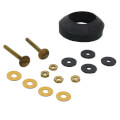
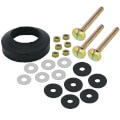
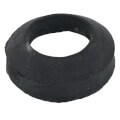
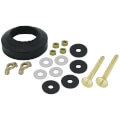
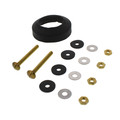
- Tank-to-Bowl Gaskets and Hardware: Tank-to-bowl gaskets seal the connection between the tank and bowl on two-piece toilets, along with the bolts and washers that hold the assembly together. A leaking connection at this joint is often caused by a worn gasket rather than a cracked tank or bowl. Replacing the gasket along with the mounting bolts at the same time helps avoid a repeat leak shortly after the repair. Correct gasket thickness and bolt length vary by toilet model, so matching parts to the specific tank keeps the seal tight.
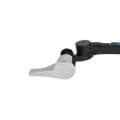
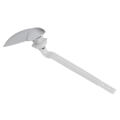
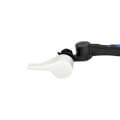
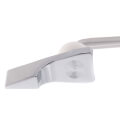
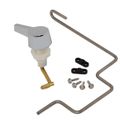
- Trip Levers and Flush Handles: Trip levers and flush handles connect the external handle to the internal flush valve or flapper chain. A loose or broken trip lever is a common reason a toilet fails to flush even though the tank fills normally. Replacement levers need to match the mounting hole location and the toilet's handle-side orientation. Some American Standard models use a push-button flush mechanism instead of a side lever, so confirming the flush mechanism type is a necessary first step before ordering.
Buying Guide
Servicing an American Standard toilet starts with identifying the exact model, since American Standard has used multiple flush mechanism designs across different toilet lines. The model number is typically stamped inside the tank, underneath the lid, and matching that number to the correct parts diagram avoids ordering a part that looks similar but does not fit correctly.
Fill valve compatibility depends mainly on tank height and inlet connection type. Universal or adjustable fill valves cover most residential tank heights, but taller or shorter tanks sometimes need a specific valve length rather than an adjustable one.
Flush mechanism type is the next consideration. Some American Standard toilets use a traditional flapper and overflow tube, while others use a canister-style flush valve that seals differently. American Standard Toilet Parts are not always interchangeable between these two mechanism types, so confirming which system the toilet uses before ordering prevents a return trip for the wrong part.
Gasket and hardware sizing rounds out most repairs on two-piece toilets. Tank-to-bowl gaskets vary in thickness and diameter across different toilet generations, and mismatched hardware length can crack a tank if bolts are overtightened to compensate for a gap.
Buying commonly needed parts, such as fill valves and flappers, in advance of a service call shortens most repair visits to under an hour, since the toilet itself rarely needs to be removed for these repairs.
Frequently Asked Questions
How do I find the model number on an American Standard toilet?
Model numbers are typically stamped on the inside wall of the tank, often near the water line or underneath the tank lid. Some models also list the number on a sticker inside the tank or on the underside of the bowl. Having this number available before ordering parts is the most reliable way to confirm a correct match.
Why does my American Standard toilet keep running after a flush?
A continuously running toilet is most often caused by a flapper that no longer seals completely or a fill valve that fails to shut off at the correct water level. Checking the flapper for wear or debris on the seat is usually the first troubleshooting step. If the flapper looks intact, the fill valve is the next most likely cause.
Are American Standard toilet parts interchangeable with other brands?
Some components, such as wax rings and supply lines, are generally universal across toilet brands. Tank-specific parts like flush valves, flappers, and fill valves are typically sized and shaped to fit American Standard's specific tank designs, so a direct match usually performs more reliably than a generic substitute.
What's the difference between a flapper-style and canister-style flush valve?
A flapper-style flush valve uses a rubber flapper connected to a chain that lifts away from a seat at the base of an overflow tube. A canister-style flush valve instead uses a cylindrical seal that rises and lowers within a canister at the center of the tank. The two systems use different replacement parts, so confirming which type a toilet uses is necessary before ordering.
How often should toilet fill valves and flappers be replaced?
Flappers commonly need replacement every three to five years, though water quality and usage can shorten or extend that interval. Fill valves tend to last longer but are worth replacing at the same time if a tank is already being serviced. Watching for a toilet that runs intermittently or refills slowly is the best early indicator that one of these parts needs attention.
