




Combo Switches


 --%3E %3Csvg version='1.1' id='No-RB' xmlns='http://www.w3.org/2000/svg' xmlns:xlink='http://www.w3.org/1999/xlink' x='0px' y='0px' viewBox='0 0 100 100' enable-background='new 0 0 100 100' xml:space='preserve'%3E %3Cpath fill='%23CECECE' d='M79.44,0.95H20.56C9.78,0.95,0.95,9.78,0.95,20.56v58.87c0,10.79,8.82,19.61,19.61,19.61h58.87 c10.79,0,19.61-8.83,19.61-19.61V20.56C99.05,9.78,90.22,0.95,79.44,0.95z M65.38,58.24l9.38,29.58L49.69,69.78L24.5,87.82 l9.34-29.6L8.8,39.6l30.73-0.17c0,0,6.98-19.61,10-28.93c0.54,1.36,9.88,29.1,9.88,29.1H91.2L65.38,58.24z'/%3E %3C/svg%3E)
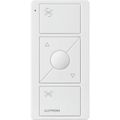




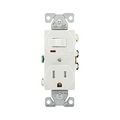


Combo Switches combine two controls, most often a fan speed control and a light dimmer, into a single wall plate so both functions can be operated from one location. Common designs pair a 3-speed fan control with a dimmer slider, letting an installer wire fan and light circuits from a ceiling fan into one device instead of two separate switches. Toggle and rocker styles handle simple on/off control for both functions, while rotary or slider dimmers add variable speed and brightness adjustment. Electricians choose combo switches largely to save wall space in rooms where a single gang box has to serve both a fan and a light fixture. Getting the fan and light functions wired to the correct terminals on a combo device keeps both halves of the switch working independently as intended.
Subcategories
- Toggle and Rocker Combo Switches: Toggle and rocker combo switches provide simple on and off control for both the fan and light circuit from one wall plate. Neither style adjusts speed or brightness, so they suit fixtures where variable control is not needed. Electricians favor these combos for their straightforward wiring and lower part count compared to two separate switches. Independent operation means the fan can run without the light, and the reverse.
- Dimmer and Fan-Speed Combo Switches: Dimmer and fan-speed combos pair a rotary or slider dimmer for the light circuit with a separate slider or dial for fan speed. One slider typically adjusts fan speed across preset steps while the other adjusts light brightness continuously. Electricians install these where occupants want variable comfort and lighting control without adding a second gang box. Both controls operate independently within the same wall plate.
- Fan/Light Combo Switches: Fan/light combos give independent on and off control over the fan and light portions of a ceiling fan fixture from a single device. Neither circuit affects the other, so the light can stay on with the fan off, and the reverse. Design suits rooms where wall space is limited to a single gang box. Wiring runs both circuits through the same device body while keeping them electrically separate.
- 3-Speed and 4-Speed Fan Control Combos: 3-speed fan controls are the most common configuration, giving low, medium, and high airflow settings from a single slider or dial. 4-speed versions add an extra step for finer airflow adjustment. Both configurations typically pair with a separate light dimmer or on/off switch in the same wall plate. Selecting between 3-speed and 4-speed depends on the fan motor's own compatible speed range.
Buying Guide
Start by confirming what the fan motor itself supports, since a 4-speed combo switch wired to a 3-speed fan motor won't add any real control benefit. Fan compatibility should be checked against the switch's speed rating before purchase.
Next, decide how much variable control the room actually needs. Toggle and rocker combos work fine for rooms where fan and light just need basic on and off control, while dimmer and fan-speed combos suit spaces where finer brightness and airflow adjustment matters, such as bedrooms or living areas used at different times of day.
Wiring configuration matters just as much as the control style. Combo Switches route two separate circuits, fan and light, through one device body while keeping them electrically independent, so the gang box needs to support the neutral and load wire count the specific combo switch requires. Checking the wiring diagram against the existing box before purchase avoids a mismatch discovered mid-install.
Finally, weigh wall space against flexibility. A single combo switch saves a gang box slot compared to two separate switches, which matters in rooms with limited wall space near the fixture. Where more granular control matters more than wall space, two separate devices, a dedicated fan control and a dedicated dimmer, sometimes give a cleaner result than a single combo unit.
Frequently Asked Questions
What's the difference between a toggle combo switch and a dimmer combo switch?
Toggle and rocker combo switches give simple on and off control over both the fan and light circuit. Dimmer combo switches add variable brightness control for the light side, and paired fan-speed combos add variable speed steps for the fan side. Choice comes down to whether the room needs adjustable control or just basic on and off function.
Can a combo switch control the fan and light independently?
Fan/light combo switches wire the fan and light circuits so each can be turned on or off independently from the same wall plate. Neither circuit affects the other, so the light can run with the fan off, and the reverse. Independent control is the main reason contractors choose a combo switch over a single shared switch.
Does a combo switch fit in a standard single-gang box?
Most combo switches are built to fit a standard single-gang box, combining fan and light control into one device body instead of two. Wiring still needs to account for the neutral and load wire count the specific model requires. Checking the wiring diagram against the existing box is a necessary step before installation.
What's the difference between 3-speed and 4-speed fan control combos?
A 3-speed combo gives low, medium, and high fan speed settings, while a 4-speed combo adds an extra step for finer airflow adjustment. Fan motor itself needs to support the number of speed steps the switch offers for the extra control to matter. Most residential ceiling fans pair with a 3-speed combo switch.
When does a combo switch make more sense than two separate switches?
A combo switch makes sense in rooms with limited wall space near the fixture, since it combines fan and light control into a single gang box position. Rooms needing more granular independent control sometimes do better with two separate dedicated devices instead. Wall space and control granularity are the two main factors in that decision.
