




Filters
SORT
Product Availability –
Category –
Brand –
Review Score –
 --%3E %3Csvg version='1.1' id='Fill' xmlns='http://www.w3.org/2000/svg' xmlns:xlink='http://www.w3.org/1999/xlink' x='0px' y='0px' viewBox='0 0 100 100' enable-background='new 0 0 100 100' xml:space='preserve'%3E %3Cpath fill='%23F15C02' d='M79.44,0.95H20.56C9.78,0.95,0.95,9.78,0.95,20.56v58.87c0,10.79,8.82,19.61,19.61,19.61h58.87 c10.79,0,19.61-8.83,19.61-19.61V20.56C99.05,9.78,90.22,0.95,79.44,0.95z M65.38,58.24l9.38,29.58L49.69,69.78L24.5,87.82 l9.34-29.6L8.8,39.6l30.73-0.17c0,0,6.98-19.61,10-28.93c0.54,1.36,9.88,29.1,9.88,29.1H91.2L65.38,58.24z'/%3E %3C/svg%3E)
Price Range –
Fire Sprinkler Heads

 --%3E %3Csvg version='1.1' id='No-RB' xmlns='http://www.w3.org/2000/svg' xmlns:xlink='http://www.w3.org/1999/xlink' x='0px' y='0px' viewBox='0 0 100 100' enable-background='new 0 0 100 100' xml:space='preserve'%3E %3Cpath fill='%23CECECE' d='M79.44,0.95H20.56C9.78,0.95,0.95,9.78,0.95,20.56v58.87c0,10.79,8.82,19.61,19.61,19.61h58.87 c10.79,0,19.61-8.83,19.61-19.61V20.56C99.05,9.78,90.22,0.95,79.44,0.95z M65.38,58.24l9.38,29.58L49.69,69.78L24.5,87.82 l9.34-29.6L8.8,39.6l30.73-0.17c0,0,6.98-19.61,10-28.93c0.54,1.36,9.88,29.1,9.88,29.1H91.2L65.38,58.24z'/%3E %3C/svg%3E)

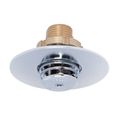

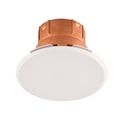
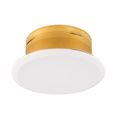
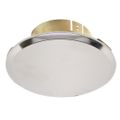
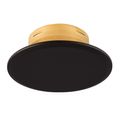
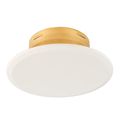
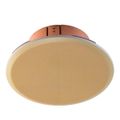


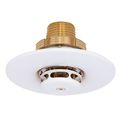
Fire sprinklers are the individual devices installed throughout a fire suppression system that detect heat and release water directly onto a fire, along with the hangers and hardware that hold pipe and sprinkler heads in position. Contractors and fire protection technicians turn to this category when installing new systems, replacing damaged or corroded heads, or bringing an older system up to current code. Each sprinkler head is designed to activate at a specific temperature rating, so swapping in the wrong head can leave a section of a building under-protected or cause a nuisance activation. Hangers and supports keep branch lines and mains properly spaced and secured, which matters for both system performance and passing inspection. Because fire suppression systems are life-safety equipment, contractors sourcing from this category pay close attention to listing and approval markings on both heads and hardware. Selecting components that match the system's design documents and local fire code keeps an installation compliant and ready to perform when it's needed.
Subcategories
- Sprinkler Heads: Sprinkler heads are the working component of a fire suppression system, releasing water once ambient heat reaches the head's rated activation temperature. Contractors select heads based on the coverage area, orientation (upright, pendent, or sidewall), and temperature rating specified in the system's design. The subcategory covers heads for both new installations and replacement of heads that have activated, corroded, or aged past their service life. Matching the replacement head's listing and rating to the original installation keeps the system compliant with its design documents.
- Sprinkler Head Guards: Sprinkler head guards are protective cages installed around exposed sprinkler heads to prevent accidental impact damage in areas like warehouses, gyms, and mechanical rooms. Contractors add guards where forklifts, sports equipment, or foot traffic could strike and damage an unprotected head. The subcategory includes guards sized to fit standard head configurations without interfering with water discharge patterns. Installing a guard on a vulnerable head helps avoid an accidental discharge and the water damage that follows.
- Pipe Hangers & Supports: Pipe hangers and supports secure fire sprinkler branch lines and mains at the intervals required by the system's design and local fire code. Contractors use them throughout new installations and when extending or modifying an existing system's piping. The subcategory covers hangers sized for common fire sprinkler pipe diameters and materials. Spacing and installing hangers correctly keeps pipe runs supported under load and helps a system pass inspection.
- Escutcheons & Cover Plates: Escutcheons and cover plates conceal the gap between a sprinkler head and the ceiling or wall it passes through, giving finished spaces a clean appearance while still allowing the head to function and release properly under heat. Contractors install them as a finishing step after rough piping and heads are in place. The subcategory includes plates designed to work with concealed, semi-recessed, and flush-mount head styles. Choosing a plate rated for the same fire-rated assembly as the ceiling or wall keeps the installation compliant.
Buying Guide
Start with the system's design documents, since sprinkler head type, temperature rating, and coverage pattern are engineered choices tied to the specific hazard classification and ceiling height of the space being protected. Confirm whether the application calls for an upright, pendent, sidewall, or concealed head before ordering, since these mount and discharge differently and aren't interchangeable. Temperature rating matters as much as head style: a head rated for a cooler ambient environment can nuisance-activate in a mechanical room or attic space that runs hotter, while a head rated too high for a residential space may respond too slowly. Fire sprinklers, along with their guards, hangers, and cover plates, all need to carry the listings and approvals required by the authority having jurisdiction, so checking those markings before purchase avoids a failed inspection. Pipe hangers and supports should match both the pipe material and diameter specified in the system design, and spacing has to follow the code requirements for the piping type in use. Contractors replacing an activated or damaged head on an existing system should match the original head's orientation, temperature rating, and finish exactly, since fire suppression systems are evaluated as a whole and a mismatched component can affect the system's listing. Keeping documentation of every head and component installed supports the inspection and testing records the system will need going forward.
Frequently Asked Questions
How do I know what temperature rating a sprinkler head needs?
Temperature rating depends on the ambient conditions of the space, including ceiling height and any nearby heat sources like ductwork or equipment. The system's original design documents specify the rating for each area, and any replacement head needs to match that rating.
What's the difference between upright and pendent sprinkler heads?
An upright head mounts on top of the piping and discharges water upward into a deflector, while a pendent head mounts below the piping and discharges downward. The two aren't interchangeable because their deflectors are shaped for different discharge patterns.
Do I need a guard on every sprinkler head?
Guards are typically required only in areas where heads are exposed to potential impact, such as warehouses, gyms, or mechanical spaces with equipment traffic. Code requirements and the system's design documents determine where guards are needed.
Can I replace an activated sprinkler head with any head of the same size?
No. The replacement head needs to match the original's listing, temperature rating, and orientation, since the system's overall approval is based on the specific components installed. An unlisted or mismatched replacement can affect the system's compliance.
How often do pipe hangers need to be spaced along a branch line?
Spacing requirements depend on the pipe material and diameter and are set by the applicable fire code and the system's engineered design. Contractors reference those documents rather than a single universal spacing rule.
