




Filters
SORT
Product Availability –
Brand –
Review Score –
 --%3E %3Csvg version='1.1' id='Fill' xmlns='http://www.w3.org/2000/svg' xmlns:xlink='http://www.w3.org/1999/xlink' x='0px' y='0px' viewBox='0 0 100 100' enable-background='new 0 0 100 100' xml:space='preserve'%3E %3Cpath fill='%23F15C02' d='M79.44,0.95H20.56C9.78,0.95,0.95,9.78,0.95,20.56v58.87c0,10.79,8.82,19.61,19.61,19.61h58.87 c10.79,0,19.61-8.83,19.61-19.61V20.56C99.05,9.78,90.22,0.95,79.44,0.95z M65.38,58.24l9.38,29.58L49.69,69.78L24.5,87.82 l9.34-29.6L8.8,39.6l30.73-0.17c0,0,6.98-19.61,10-28.93c0.54,1.36,9.88,29.1,9.88,29.1H91.2L65.38,58.24z'/%3E %3C/svg%3E)
 --%3E %3Csvg version='1.1' id='With-RB' xmlns='http://www.w3.org/2000/svg' xmlns:xlink='http://www.w3.org/1999/xlink' x='0px' y='0px' viewBox='0 0 100 100' enable-background='new 0 0 100 100' xml:space='preserve'%3E %3Cpath fill='%23FBC8B4' d='M79.44,0.95H20.56C9.78,0.95,0.95,9.78,0.95,20.56v58.87c0,10.79,8.82,19.61,19.61,19.61h58.87 c10.79,0,19.61-8.83,19.61-19.61V20.56C99.05,9.78,90.22,0.95,79.44,0.95z M65.38,58.24l9.38,29.58L49.69,69.78L24.5,87.82 l9.34-29.6L8.8,39.6l30.73-0.17c0,0,6.98-19.61,10-28.93c0.54,1.36,9.88,29.1,9.88,29.1H91.2L65.38,58.24z'/%3E %3C/svg%3E)
Insulation

 --%3E %3Csvg version='1.1' id='Half' xmlns='http://www.w3.org/2000/svg' xmlns:xlink='http://www.w3.org/1999/xlink' x='0px' y='0px' viewBox='0 0 100 100' enable-background='new 0 0 100 100' xml:space='preserve'%3E %3Cg%3E %3Cpath fill='%23F15C02' d='M30.05,70.23l3.79-12.01L8.8,39.6l30.73-0.17c0,0,6.98-19.61,10-28.93c0.54,1.36,9.88,29.1,9.88,29.1h1.58 L93.71,7.18c-3.58-3.82-8.66-6.23-14.28-6.23H20.56C9.78,0.95,0.95,9.78,0.95,20.56v58.87c0,5.41,2.22,10.32,5.79,13.88 L30.05,70.23z'/%3E %3C/g%3E %3Cpath fill='%23FBC8B4' d='M93.71,7.18L60.98,39.6H91.2L65.38,58.24l9.38,29.58L49.69,69.78L24.5,87.82l5.55-17.59L6.75,93.32 c3.55,3.54,8.44,5.73,13.82,5.73h58.87c10.79,0,19.61-8.83,19.61-19.61V20.56C99.05,15.4,97.01,10.69,93.71,7.18z'/%3E %3C/svg%3E)

 --%3E %3Csvg version='1.1' id='No-RB' xmlns='http://www.w3.org/2000/svg' xmlns:xlink='http://www.w3.org/1999/xlink' x='0px' y='0px' viewBox='0 0 100 100' enable-background='new 0 0 100 100' xml:space='preserve'%3E %3Cpath fill='%23CECECE' d='M79.44,0.95H20.56C9.78,0.95,0.95,9.78,0.95,20.56v58.87c0,10.79,8.82,19.61,19.61,19.61h58.87 c10.79,0,19.61-8.83,19.61-19.61V20.56C99.05,9.78,90.22,0.95,79.44,0.95z M65.38,58.24l9.38,29.58L49.69,69.78L24.5,87.82 l9.34-29.6L8.8,39.6l30.73-0.17c0,0,6.98-19.61,10-28.93c0.54,1.36,9.88,29.1,9.88,29.1H91.2L65.38,58.24z'/%3E %3C/svg%3E)
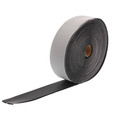
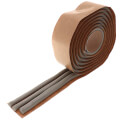
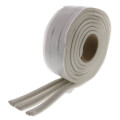
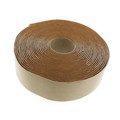
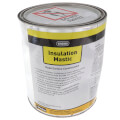
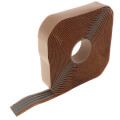


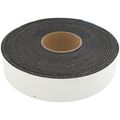
Insulation Tape includes adhesive-backed products used to seal, protect, and finish pipe and duct insulation in HVAC and plumbing systems. Contractors rely on it to close seams on fiberglass duct board, wrap fittings on foam pipe insulation, and lock down vapor barriers before a system goes into service. Foil tape built to the UL 181A-P standard must measure at least 2.5 inches wide and is designed to hold up against the temperature swings a duct system experiences over its service life. Foam-backed tape seals seams on elastomeric pipe insulation and blocks moisture from reaching the pipe wall, a detail that matters most on chilled water lines and refrigerant sets where condensation control affects long-term performance. Choosing the right tape for the substrate and temperature range keeps an insulation system airtight and cuts down on callbacks caused by failed seams.
Subcategories
- Foil Tape: Foil tape is a flat aluminum or aluminum-alloy tape rated to UL 181A-P for sealing seams on rigid fiberglass duct board, flexible duct, and sheet metal. Installers use it to close longitudinal and transverse duct joints so conditioned air stays inside the system. The UL 181A-P standard requires a minimum width of 2.5 inches and long-term adhesion across a wide temperature range. Sheet metal contractors keep several rolls on hand for both new duct runs and repair work.
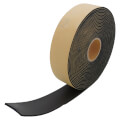
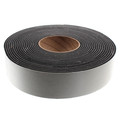
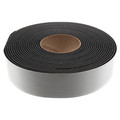
- Foam Insulation Tape: Foam insulation tape is a self-adhesive elastomeric material designed to seal seams and butt joints on closed-cell foam pipe insulation. Refrigeration and HVAC technicians apply it by spiral-wrapping it around pipe and fittings and pressing it firmly into place. The tape matches the flexibility of the base insulation, so it moves with the pipe instead of cracking at bends. It shows up most often on refrigerant lines and chilled water piping where surface condensation is a concern.
- Fiberglass Pipe Wrap Tape: Fiberglass pipe wrap tape combines a foil facing with a fiberglass reinforcement layer for wrapping pipe, valves, and irregular fittings on mechanical insulation jobs. Mechanical insulators use it where rigid pipe insulation can't be shaped to fit, such as elbows and valve bodies. The fiberglass backing adds tear resistance that plain foil tape doesn't have. It's a common finish layer on commercial mechanical rooms and industrial piping.
- Vapor Barrier Tape: Vapor barrier tape seals the facing on foil-faced or vinyl-faced fiberglass insulation to keep moisture vapor from migrating into the insulation and the pipe or duct beneath it. Contractors run it over every seam and staple puncture on cold piping and low-temperature ductwork. Blocking vapor movement here keeps insulation from getting wet and losing its R-value over time. It's specified on chilled water systems and any application running below the ambient dew point.
Buying Guide
Start with the substrate. Foil tape sealing duct board or sheet metal seams needs to carry a UL 181A-P listing, which sets a 2.5-inch minimum width and requires the adhesive to hold across a full range of duct temperatures. Foam or rubber tape belongs with closed-cell elastomeric pipe insulation, since it flexes and bonds the same way the base material does; using a stiff foil tape on a foam pipe run instead will crack at the first elbow. Insulation Tape selection also depends on where the run sits in the building. Chilled water lines, refrigerant sets, and anything operating below the surrounding dew point need a tape that also functions as a vapor barrier, closing every seam and staple hole so moisture can't reach the insulation core. Exterior or humid mechanical rooms call for tape rated for extended UV and moisture exposure, not a standard interior product. Width and length matter for job planning: wider foil tape covers duct seams faster with fewer passes, while narrower foam tape is easier to work around tight valve bodies and elbows. Buy enough to finish a run in one pass since starting and stopping mid-seam creates a weak point. Match the tape's rated temperature range to the system's operating temperature, not just the ambient air temperature, since surface temperature on refrigerant lines runs well below room conditions.
Frequently Asked Questions
What's the difference between foil tape and foam insulation tape?
Foil tape is a flat aluminum product built to the UL 181A-P standard for sealing duct board and sheet metal seams, while foam insulation tape is a flexible, self-adhesive elastomeric material made to seal seams on closed-cell foam pipe insulation. Foil tape needs rigidity to bridge a straight seam, while foam tape needs to flex around bends and fittings. Picking the wrong one for the job typically leads to seam failure within a season.
Does insulation tape need to be UL listed?
Duct sealing applications generally call for foil tape rated to UL 181A-P, which sets a minimum width of 2.5 inches and requires the adhesive to hold up over a wide temperature range. Pipe insulation tape used on foam or rubber insulation doesn't carry the same duct listing but should match the base insulation manufacturer's specifications. Checking the listing on the roll before installation avoids a failed inspection.
Can insulation tape be used as a vapor barrier?
Foil-faced and foam insulation tapes both function as vapor barriers when applied over every seam, staple hole, and cut edge on the insulation facing. Gaps in the seal let moisture vapor reach the insulation core and reduce its effectiveness over time. Chilled water lines and refrigerant sets depend on a complete vapor seal to prevent condensation damage.
How wide should duct sealing tape be?
Foil tape meeting the UL 181A-P standard for duct board and sheet metal seams must measure at least 2.5 inches wide. Wider rolls cover a seam in fewer passes and reduce the number of overlap points where a seal can fail. Narrower tape is typically reserved for detail work around fittings rather than main seam runs.
How is insulation tape applied to pipe fittings?
Foam and rubber insulation tape is applied by removing the release liner and spiral-wrapping the tape around the pipe or fitting while pressing it firmly into place. Overlapping each wrap keeps the seal continuous around irregular shapes like elbows and valve bodies. Foil tape on duct seams is applied flat and burnished down with a roller or squeegee to remove air pockets.
