




Filters
SORT
Product Availability –
Category –
Max Head (Ft) –
Flow Rate (GPM) –
Voltage –
Horse Power –
Used With –
Review Score –
 --%3E %3Csvg version='1.1' id='Fill' xmlns='http://www.w3.org/2000/svg' xmlns:xlink='http://www.w3.org/1999/xlink' x='0px' y='0px' viewBox='0 0 100 100' enable-background='new 0 0 100 100' xml:space='preserve'%3E %3Cpath fill='%23F15C02' d='M79.44,0.95H20.56C9.78,0.95,0.95,9.78,0.95,20.56v58.87c0,10.79,8.82,19.61,19.61,19.61h58.87 c10.79,0,19.61-8.83,19.61-19.61V20.56C99.05,9.78,90.22,0.95,79.44,0.95z M65.38,58.24l9.38,29.58L49.69,69.78L24.5,87.82 l9.34-29.6L8.8,39.6l30.73-0.17c0,0,6.98-19.61,10-28.93c0.54,1.36,9.88,29.1,9.88,29.1H91.2L65.38,58.24z'/%3E %3C/svg%3E)
 --%3E %3Csvg version='1.1' id='With-RB' xmlns='http://www.w3.org/2000/svg' xmlns:xlink='http://www.w3.org/1999/xlink' x='0px' y='0px' viewBox='0 0 100 100' enable-background='new 0 0 100 100' xml:space='preserve'%3E %3Cpath fill='%23FBC8B4' d='M79.44,0.95H20.56C9.78,0.95,0.95,9.78,0.95,20.56v58.87c0,10.79,8.82,19.61,19.61,19.61h58.87 c10.79,0,19.61-8.83,19.61-19.61V20.56C99.05,9.78,90.22,0.95,79.44,0.95z M65.38,58.24l9.38,29.58L49.69,69.78L24.5,87.82 l9.34-29.6L8.8,39.6l30.73-0.17c0,0,6.98-19.61,10-28.93c0.54,1.36,9.88,29.1,9.88,29.1H91.2L65.38,58.24z'/%3E %3C/svg%3E)
Price Range –
Water Pressure Booster Pumps

 --%3E %3Csvg version='1.1' id='No-RB' xmlns='http://www.w3.org/2000/svg' xmlns:xlink='http://www.w3.org/1999/xlink' x='0px' y='0px' viewBox='0 0 100 100' enable-background='new 0 0 100 100' xml:space='preserve'%3E %3Cpath fill='%23CECECE' d='M79.44,0.95H20.56C9.78,0.95,0.95,9.78,0.95,20.56v58.87c0,10.79,8.82,19.61,19.61,19.61h58.87 c10.79,0,19.61-8.83,19.61-19.61V20.56C99.05,9.78,90.22,0.95,79.44,0.95z M65.38,58.24l9.38,29.58L49.69,69.78L24.5,87.82 l9.34-29.6L8.8,39.6l30.73-0.17c0,0,6.98-19.61,10-28.93c0.54,1.36,9.88,29.1,9.88,29.1H91.2L65.38,58.24z'/%3E %3C/svg%3E)

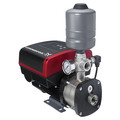
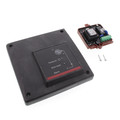
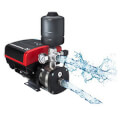
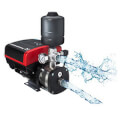
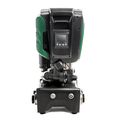
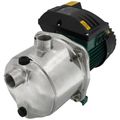

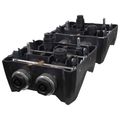
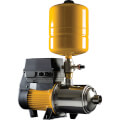
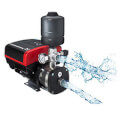
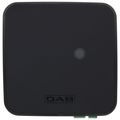
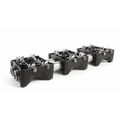
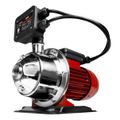

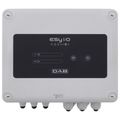

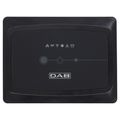

Pressure booster pumps raise water pressure in a plumbing system when the incoming supply cannot keep up with the demand created by multiple fixtures running at once, upper floors, or a long supply run. A booster pump typically pairs with a pressure tank and a pressure switch set to preset minimum and maximum PSI values, so the pump starts automatically when pressure drops and stops once it recovers rather than running continuously. Residential installations often address a single problem, such as a weak upstairs shower, while commercial systems in hotels, office buildings, and multi-story apartments boost pressure across an entire building. Selecting a booster pump comes down to matching flow rate and pressure rise to the building's actual demand rather than oversizing for a worst case that rarely occurs.
Subcategories
- Residential Booster Pumps: Residential booster pumps address localized pressure problems, such as a shower on the top floor of a multi-story home or a well system that delivers inconsistent pressure at the fixtures. These units are typically sized for a single-family home's peak fixture demand rather than continuous high-volume flow. A small pressure tank paired with the pump smooths out the on-off cycling that would otherwise happen every time a faucet opens.
- Commercial and Multi-Story Booster Systems: Commercial booster systems serve hotels, office buildings, and multi-story apartments where pressure needs to reach every floor consistently rather than just the upper levels closest to the problem. These systems often use multiple pumps working together so that one unit can handle typical demand while additional pumps engage during peak draw. Building codes in many jurisdictions require a licensed plumber to size and install commercial booster systems rather than treating them as a standard fixture swap.
- Well and Rainwater Booster Pumps: Well and rainwater booster pumps address supply sources that deliver inconsistent pressure at the source itself, rather than a municipal supply that is simply too weak by the time it reaches upper floors. These pumps often pair with larger storage tanks than a municipal-fed system needs, since the source may not replenish as quickly as demand requires. Irrigation and outbuilding water systems commonly rely on this style of booster pump as well.
- Booster Pump Controls and Accessories: Booster pump controls and accessories include the pressure switch, pressure tank, and check valves that let the pump cycle automatically and prevent backflow into the source. A pressure switch with the wrong minimum and maximum settings for a given pump can cause short cycling, which wears out the motor faster than normal operation would. Replacing a failing pressure switch or tank often resolves inconsistent pressure complaints without needing to replace the pump itself.
Buying Guide
Sizing a pressure booster pump starts with the actual pressure deficit at the fixture having trouble, not a general guess at how weak the water pressure feels. Measuring static pressure at the problem fixture and comparing it to the pressure needed for normal operation identifies how much boost is actually required, since oversizing a booster pump wastes energy and shortens the life of the pressure switch through excessive cycling.
Flow rate matters as much as pressure rise. Pressure Booster Pumps need to deliver enough gallons per minute to cover the number of fixtures running at once, not just hit a target PSI with a single tap open. A pump that boosts pressure well but cannot sustain flow under multiple simultaneous draws will still leave a household or building short during peak demand, such as morning shower hours in a multi-unit building.
Residential jobs generally call for a simpler single-pump system with a modest pressure tank, while commercial and multi-story applications often need a multi-pump system that can stage additional pumps on during peak draw and drop back to a single pump during normal use. Matching the pressure switch settings to the specific pump and application prevents short cycling, which is one of the more common causes of premature pump failure in booster systems that otherwise seem correctly sized.
Frequently Asked Questions
How does a plumber know if a pressure booster pump is needed?
Measuring static water pressure at the fixture having trouble is the first step, since a booster pump only helps when the actual pressure reading falls below what the fixture or system needs. Low flow that turns out to be caused by a clogged aerator or a restricted supply line will not improve with a booster pump.
What is the role of the pressure tank in a booster pump system?
The pressure tank stores a reserve of pressurized water so the pump does not have to start every time a faucet opens for a few seconds. Without a properly sized tank, the pump cycles on and off far more frequently, which wears out the motor and pressure switch faster.
Do commercial buildings need a different booster pump setup than homes?
Yes, commercial and multi-story buildings typically need a multi-pump system that can stage additional pumps on during peak demand, while a single pump with a modest tank usually covers a residential application. Many jurisdictions also require licensed sizing and installation for commercial booster systems.
Can a booster pump fix low pressure from a well?
A booster pump can help with a well system that delivers inconsistent pressure, though wells often pair better with a larger storage tank than a municipal-fed booster setup needs. Confirming the well's actual output before adding a booster pump prevents pulling more water than the well can sustainably deliver.
What causes a booster pump to short cycle?
Short cycling usually comes from a pressure switch set with too narrow a range between the minimum and maximum PSI, or a pressure tank that is too small or has lost its air charge. Both conditions make the pump start and stop far more often than the motor is built to handle.
