




Filters
SORT
Product Availability –
Fuel Type –
Ignition Type –
Inlet Size –
Outlet Size –
Review Score –
 --%3E %3Csvg version='1.1' id='Fill' xmlns='http://www.w3.org/2000/svg' xmlns:xlink='http://www.w3.org/1999/xlink' x='0px' y='0px' viewBox='0 0 100 100' enable-background='new 0 0 100 100' xml:space='preserve'%3E %3Cpath fill='%23F15C02' d='M79.44,0.95H20.56C9.78,0.95,0.95,9.78,0.95,20.56v58.87c0,10.79,8.82,19.61,19.61,19.61h58.87 c10.79,0,19.61-8.83,19.61-19.61V20.56C99.05,9.78,90.22,0.95,79.44,0.95z M65.38,58.24l9.38,29.58L49.69,69.78L24.5,87.82 l9.34-29.6L8.8,39.6l30.73-0.17c0,0,6.98-19.61,10-28.93c0.54,1.36,9.88,29.1,9.88,29.1H91.2L65.38,58.24z'/%3E %3C/svg%3E)
 --%3E %3Csvg version='1.1' id='With-RB' xmlns='http://www.w3.org/2000/svg' xmlns:xlink='http://www.w3.org/1999/xlink' x='0px' y='0px' viewBox='0 0 100 100' enable-background='new 0 0 100 100' xml:space='preserve'%3E %3Cpath fill='%23FBC8B4' d='M79.44,0.95H20.56C9.78,0.95,0.95,9.78,0.95,20.56v58.87c0,10.79,8.82,19.61,19.61,19.61h58.87 c10.79,0,19.61-8.83,19.61-19.61V20.56C99.05,9.78,90.22,0.95,79.44,0.95z M65.38,58.24l9.38,29.58L49.69,69.78L24.5,87.82 l9.34-29.6L8.8,39.6l30.73-0.17c0,0,6.98-19.61,10-28.93c0.54,1.36,9.88,29.1,9.88,29.1H91.2L65.38,58.24z'/%3E %3C/svg%3E)
Resideo SmartValve System Gas Valves



 --%3E %3Csvg version='1.1' id='Half' xmlns='http://www.w3.org/2000/svg' xmlns:xlink='http://www.w3.org/1999/xlink' x='0px' y='0px' viewBox='0 0 100 100' enable-background='new 0 0 100 100' xml:space='preserve'%3E %3Cg%3E %3Cpath fill='%23F15C02' d='M30.05,70.23l3.79-12.01L8.8,39.6l30.73-0.17c0,0,6.98-19.61,10-28.93c0.54,1.36,9.88,29.1,9.88,29.1h1.58 L93.71,7.18c-3.58-3.82-8.66-6.23-14.28-6.23H20.56C9.78,0.95,0.95,9.78,0.95,20.56v58.87c0,5.41,2.22,10.32,5.79,13.88 L30.05,70.23z'/%3E %3C/g%3E %3Cpath fill='%23FBC8B4' d='M93.71,7.18L60.98,39.6H91.2L65.38,58.24l9.38,29.58L49.69,69.78L24.5,87.82l5.55-17.59L6.75,93.32 c3.55,3.54,8.44,5.73,13.82,5.73h58.87c10.79,0,19.61-8.83,19.61-19.61V20.56C99.05,15.4,97.01,10.69,93.71,7.18z'/%3E %3C/svg%3E)




 --%3E %3Csvg version='1.1' id='No-RB' xmlns='http://www.w3.org/2000/svg' xmlns:xlink='http://www.w3.org/1999/xlink' x='0px' y='0px' viewBox='0 0 100 100' enable-background='new 0 0 100 100' xml:space='preserve'%3E %3Cpath fill='%23CECECE' d='M79.44,0.95H20.56C9.78,0.95,0.95,9.78,0.95,20.56v58.87c0,10.79,8.82,19.61,19.61,19.61h58.87 c10.79,0,19.61-8.83,19.61-19.61V20.56C99.05,9.78,90.22,0.95,79.44,0.95z M65.38,58.24l9.38,29.58L49.69,69.78L24.5,87.82 l9.34-29.6L8.8,39.6l30.73-0.17c0,0,6.98-19.61,10-28.93c0.54,1.36,9.88,29.1,9.88,29.1H91.2L65.38,58.24z'/%3E %3C/svg%3E)


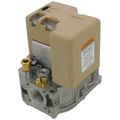
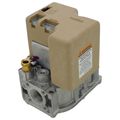
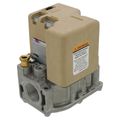
Resideo SmartValve System Gas Valves are combination gas controls that combine gas flow control and electronic pilot ignition sequencing into a single unit for gas fired heating equipment. Every model in the lineup connects with a 1/2 inch NPT by 1/2 inch NPT fitting and runs on a standard 24 Vac supply, so a swap lines up with the wiring already in place on most furnaces and boilers. Resideo built the SmartValve platform for residential furnaces, rooftop furnaces, residential boilers, unit heaters, infrared heaters, space heaters, and commercial cooking equipment, covering a wide range of gas combustion jobs a service tech runs into. Because the valve houses both gas flow control and ignition sequencing in one body, a callout that used to mean tracking down separate pilot and valve assemblies now narrows to a single part number. Matching the right SmartValve comes down to lining up ignition sequence, opening speed, and gas capacity with the original equipment, a distinction sorted out by ignition type in the subcategories that follow.
Subcategories
- Standard Opening Intermittent Pilot SmartValves: Standard opening intermittent pilot SmartValves use a spark ignited pilot flame that establishes before the main burner opens, a sequence common on gas furnaces and boilers built around a hot surface pilot igniter. The SV9501M2528 model is a standard opening example rated for 24 Vac operation. Techs pull one of these when the OEM control calls for a pilot that lights first and holds before gas flows to the main burner. The single body replaces separate pilot and gas valve assemblies from older systems.
- Fast Opening Intermittent Hot Surface Pilot SmartValves: Fast opening intermittent hot surface pilot SmartValves, such as the SV9501M8129, ramp the pilot and main burner sequence faster than standard opening models. Equipment manufacturers spec fast opening controls where burner light off needs to happen quickly after a call for heat, common on commercial and light commercial furnaces. A hot surface igniter lights the pilot, and the valve confirms flame before opening to full gas flow. Swapping in the matching opening speed keeps burner sound and ignition timing consistent with the original design.
- Direct Hot Surface Ignition SmartValves: Direct hot surface ignition SmartValves skip the pilot step entirely and use a hot surface igniter to light the main burner directly. The SV9520H8513 model offers fast and slow opening options, letting installers match burner light off speed to the appliance and reduce ignition noise where a slow opening ramp is preferred. Direct ignition designs cut a component from the ignition train compared with pilot equipped valves. Furnace and boiler manufacturers that build around hot surface igniters without a standing or intermittent pilot spec this valve type.
- Slow Opening SmartValves: Slow opening SmartValves ramp gas flow gradually once ignition is confirmed instead of opening to full flow immediately. Gradual opening reduces the light off sound some burners produce on a fast opening valve, a detail that matters in occupied spaces near mechanical rooms. The SV9502H2522 model is a slow opening SmartValve built for equipment that specs this ramp profile. Replacement parts need to match opening speed to the original valve or burner noise and combustion timing can change.
Buying Guide
Start a SmartValve replacement by pulling the model number off the failed valve or the furnace's wiring diagram rather than guessing off pipe size alone. Ignition sequence matters most: intermittent pilot models spark a pilot flame first, hot surface models ignite through a heated element, and direct ignition models skip the pilot step and light the main burner directly. Swapping an intermittent pilot valve for a direct ignition model, or the reverse, usually means rewiring or a different control board, so match the ignition type unless the equipment manufacturer's service documentation says otherwise. Opening speed is the second variable. Fast opening valves bring gas to full flow quickly after ignition confirms, while slow opening valves ramp gradually to cut down on light off noise; installing the wrong speed can leave a furnace louder or rougher at startup than it shipped. Connection size and electrical rating narrow the search further, since most Resideo SmartValve System Gas Valves use a 1/2 inch NPT by 1/2 inch NPT connection running on 24 Vac, matching standard residential and light commercial gas train wiring. Gas capacity also needs to clear the appliance's BTU input rating, since a valve sized under the burner's demand will restrict flow and affect combustion. When compatible OEM documentation lists more than one acceptable ignition sequence or opening speed, either option will work, but sticking with a matching part keeps flame characteristics and sound closest to what the equipment shipped with.
Frequently Asked Questions
What does a SmartValve gas valve actually control?
A SmartValve gas valve controls both gas flow to the burner and the ignition sequence that lights the pilot or main flame, combining functions that older systems split across separate pilot assemblies and gas valves. One unit handles regulation, safety shutoff, and ignition timing. Replacing a single part instead of multiple components simplifies a service call on equipment built around this control style.
How is an intermittent pilot SmartValve different from a direct ignition model?
An intermittent pilot SmartValve sparks a small pilot flame first and confirms it before opening the main burner, while a direct ignition model skips the pilot step and uses a hot surface igniter to light the main flame directly. Furnaces and boilers built around one ignition style generally are not wired for the other without control board changes. Matching the original ignition sequence keeps a replacement working with existing wiring.
What connection size do SmartValve gas valves use?
Most SmartValve gas valves use a 1/2 inch NPT by 1/2 inch NPT connection and run on a 24 Vac electrical supply, matching the gas train and control wiring found on typical residential and light commercial furnaces and boilers. Confirming connection size against the removed valve avoids a mismatched gas train fitting. Electrical rating should also match the furnace's transformer output before installation.
Why does opening speed matter when replacing a gas valve?
Opening speed determines how quickly gas reaches full flow once ignition is confirmed, and fast opening and slow opening valves produce different burner sounds and light off characteristics. Installing a fast opening valve where the equipment shipped with a slow opening model can make burner startup louder or rougher than expected. Checking the original model number for its opening speed keeps replacement performance consistent with the appliance's design.
Can a SmartValve gas valve be used on commercial cooking equipment?
SmartValve gas valves are built for a range of gas combustion equipment that includes commercial cooking units alongside residential and rooftop furnaces, boilers, unit heaters, and infrared or space heaters. Selecting a valve for a cooking application still comes down to matching connection size, ignition sequence, and gas capacity to the specific unit. Reviewing manufacturer documentation for the cooking equipment confirms which SmartValve model fits.
