




Filters
SORT
Product Availability –
Brand –
Reset Type –
Review Score –
 --%3E %3Csvg version='1.1' id='Fill' xmlns='http://www.w3.org/2000/svg' xmlns:xlink='http://www.w3.org/1999/xlink' x='0px' y='0px' viewBox='0 0 100 100' enable-background='new 0 0 100 100' xml:space='preserve'%3E %3Cpath fill='%23F15C02' d='M79.44,0.95H20.56C9.78,0.95,0.95,9.78,0.95,20.56v58.87c0,10.79,8.82,19.61,19.61,19.61h58.87 c10.79,0,19.61-8.83,19.61-19.61V20.56C99.05,9.78,90.22,0.95,79.44,0.95z M65.38,58.24l9.38,29.58L49.69,69.78L24.5,87.82 l9.34-29.6L8.8,39.6l30.73-0.17c0,0,6.98-19.61,10-28.93c0.54,1.36,9.88,29.1,9.88,29.1H91.2L65.38,58.24z'/%3E %3C/svg%3E)
 --%3E %3Csvg version='1.1' id='With-RB' xmlns='http://www.w3.org/2000/svg' xmlns:xlink='http://www.w3.org/1999/xlink' x='0px' y='0px' viewBox='0 0 100 100' enable-background='new 0 0 100 100' xml:space='preserve'%3E %3Cpath fill='%23FBC8B4' d='M79.44,0.95H20.56C9.78,0.95,0.95,9.78,0.95,20.56v58.87c0,10.79,8.82,19.61,19.61,19.61h58.87 c10.79,0,19.61-8.83,19.61-19.61V20.56C99.05,9.78,90.22,0.95,79.44,0.95z M65.38,58.24l9.38,29.58L49.69,69.78L24.5,87.82 l9.34-29.6L8.8,39.6l30.73-0.17c0,0,6.98-19.61,10-28.93c0.54,1.36,9.88,29.1,9.88,29.1H91.2L65.38,58.24z'/%3E %3C/svg%3E)
Price Range –
Water/Low Voltage Low Water Cutoffs

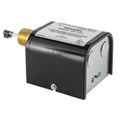

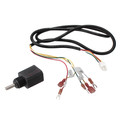
 --%3E %3Csvg version='1.1' id='Half' xmlns='http://www.w3.org/2000/svg' xmlns:xlink='http://www.w3.org/1999/xlink' x='0px' y='0px' viewBox='0 0 100 100' enable-background='new 0 0 100 100' xml:space='preserve'%3E %3Cg%3E %3Cpath fill='%23F15C02' d='M30.05,70.23l3.79-12.01L8.8,39.6l30.73-0.17c0,0,6.98-19.61,10-28.93c0.54,1.36,9.88,29.1,9.88,29.1h1.58 L93.71,7.18c-3.58-3.82-8.66-6.23-14.28-6.23H20.56C9.78,0.95,0.95,9.78,0.95,20.56v58.87c0,5.41,2.22,10.32,5.79,13.88 L30.05,70.23z'/%3E %3C/g%3E %3Cpath fill='%23FBC8B4' d='M93.71,7.18L60.98,39.6H91.2L65.38,58.24l9.38,29.58L49.69,69.78L24.5,87.82l5.55-17.59L6.75,93.32 c3.55,3.54,8.44,5.73,13.82,5.73h58.87c10.79,0,19.61-8.83,19.61-19.61V20.56C99.05,15.4,97.01,10.69,93.71,7.18z'/%3E %3C/svg%3E)
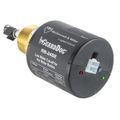
 --%3E %3Csvg version='1.1' id='No-RB' xmlns='http://www.w3.org/2000/svg' xmlns:xlink='http://www.w3.org/1999/xlink' x='0px' y='0px' viewBox='0 0 100 100' enable-background='new 0 0 100 100' xml:space='preserve'%3E %3Cpath fill='%23CECECE' d='M79.44,0.95H20.56C9.78,0.95,0.95,9.78,0.95,20.56v58.87c0,10.79,8.82,19.61,19.61,19.61h58.87 c10.79,0,19.61-8.83,19.61-19.61V20.56C99.05,9.78,90.22,0.95,79.44,0.95z M65.38,58.24l9.38,29.58L49.69,69.78L24.5,87.82 l9.34-29.6L8.8,39.6l30.73-0.17c0,0,6.98-19.61,10-28.93c0.54,1.36,9.88,29.1,9.88,29.1H91.2L65.38,58.24z'/%3E %3C/svg%3E)
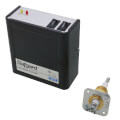


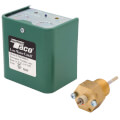
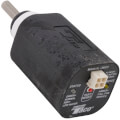
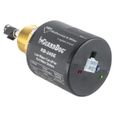
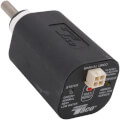
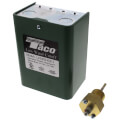
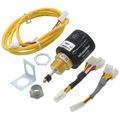
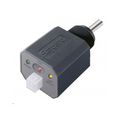
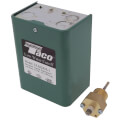
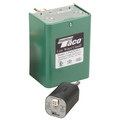

Water/Low Voltage Low Water Cutoffs are safety controls that shut down a boiler's burner or ignition system when water level drops below a safe operating point, protecting the heat exchanger from damage caused by dry firing. McDonnell & Miller offers both mechanical float-type models, such as the Model 61 built for steam boilers, and electronic low-voltage versions like the PSE801-120, which operates on 120V power. Float-type cutoffs use a float chamber connected to the boiler to mechanically trip a switch, while electronic models use a probe or sensor circuit, with some versions like the PSE802-24 offering automatic reset after a low water event. Choosing between float and electronic designs depends on the boiler type, local code requirements, and whether the job calls for manual or automatic reset after a low water event. Because a failed low water cutoff can lead to a cracked heat exchanger or a serious safety incident, installers need to select a unit rated for the correct boiler type, whether steam, hot water, or both, and confirm the control matches the required voltage and reset behavior.
Subcategories
- Float-Type Steam Low Water Cutoffs: Float-type steam cutoffs use a mechanical float inside a chamber connected to the boiler to sense water level directly. The McDonnell & Miller Model 61 is a float-type cutoff built specifically for steam boiler applications. Boiler technicians rely on these controls because the mechanical float design requires no external power source to trip the switch when water drops too low. Regular blow-down maintenance keeps the float chamber free of sediment that could cause a false reading.
- Float-Type Combination Steam/Hot Water Cutoffs: Combination float-type cutoffs are engineered to work on either steam or hot water boiler systems, giving installers one control that fits multiple job types. The McDonnell & Miller Model 764 is a float-type cutoff rated for steam or hot water service and includes automatic reset with dual 120V switches. Commercial and residential service techs use this style on mixed equipment fleets to reduce the number of different parts stocked on the truck. The dual switch design allows one switch to control the burner and a second to trigger a low water alarm.
- Electronic Low Voltage Cutoffs: Electronic low water cutoffs replace the mechanical float with a probe or sensor circuit and typically mount directly to the boiler. The McDonnell & Miller PSE801-120 operates on 120V, while the PSE802-24 runs on 24V and includes automatic reset after a low water condition clears. Installers choose electronic models on jobs where the control panel already runs low-voltage circuits or where automatic reset reduces service callbacks. Confirming the correct voltage rating before wiring an electronic cutoff prevents damage to the control board.
Buying Guide
Choosing a Water/Low Voltage Low Water Cutoff starts with identifying the boiler type, since steam and hot water systems use different float and probe designs and a mismatched control will not read water level accurately. For steam boilers, a dedicated float-type cutoff such as the McDonnell & Miller Model 61 handles the job reliably without requiring external power. Systems that see both steam and hot water applications, or facilities that want a single stocked part for multiple boiler types, benefit from a combination unit like the Model 764, which is rated for either service and includes dual switches for burner control and alarm functions. Voltage compatibility matters next. Electronic cutoffs like the PSE801-120 and PSE802-24 run on 120V and 24V respectively, so confirming which voltage the existing control circuit supplies avoids wiring the wrong unit and damaging the board. Reset behavior is another deciding factor. Manual reset units require a technician or building operator to physically reset the control after a low water event, which some codes and facility managers prefer as a safety check, while automatic reset units like the PSE802-24 restore operation on their own once water returns to a safe level, reducing service calls but requiring confidence that the underlying cause of the low water event has been addressed. Blow-down maintenance schedules should factor into the decision too, since float-type units need periodic flushing to prevent sediment buildup from causing false readings or control failure.
Frequently Asked Questions
What is the difference between a float-type and electronic low water cutoff?
A float-type cutoff, such as the McDonnell & Miller Model 61, uses a mechanical float in a chamber connected to the boiler to sense water level without needing external power. An electronic cutoff, like the PSE801-120, uses a probe or sensor circuit and requires a 120V or 24V power source depending on the model. Both designs shut down the burner when water drops below a safe level, but they differ in power requirements and reset options.
Can the same low water cutoff be used on both steam and hot water boilers?
Some models are designed for a single application, while combination units like the McDonnell & Miller Model 764 are rated for either steam or hot water service. Model 764 also includes automatic reset and dual 120V switches for burner control and alarm functions. Checking the manufacturer rating on the cutoff before installation confirms it matches the boiler type on the job.
What voltage do electronic low water cutoffs use?
Electronic low water cutoffs are available in different voltage ratings, including the 120V PSE801-120 and the 24V PSE802-24 from McDonnell & Miller. The correct voltage depends on what the existing control circuit supplies, since wiring the wrong voltage can damage the control board. Verifying the nameplate rating before installation prevents a costly wiring mistake.
Does a low water cutoff need to reset automatically or manually?
Manual reset units require a technician or operator to physically reset the control after a low water event clears, which some facility managers prefer as an added safety check. Automatic reset units, like the McDonnell & Miller PSE802-24, restore normal operation on their own once water returns to a safe level. The choice often comes down to local code requirements and how quickly the facility needs the boiler back in service.
How often should a low water cutoff be tested or maintained?
Float-type cutoffs need periodic blow-down maintenance to flush sediment out of the float chamber and prevent false readings. Skipping this maintenance can let debris build up and interfere with the float's ability to sense water level accurately. Following the manufacturer's recommended testing schedule keeps the low water cutoff functioning as a reliable safety control.
