



Filters
SORT
Product Availability –
Capacity (Gallons) –
Fuel Type –
Efficiency –
Energy Star Rated –
BTU Input –
Review Score –
 --%3E %3Csvg version='1.1' id='Fill' xmlns='http://www.w3.org/2000/svg' xmlns:xlink='http://www.w3.org/1999/xlink' x='0px' y='0px' viewBox='0 0 100 100' enable-background='new 0 0 100 100' xml:space='preserve'%3E %3Cpath fill='%23F15C02' d='M79.44,0.95H20.56C9.78,0.95,0.95,9.78,0.95,20.56v58.87c0,10.79,8.82,19.61,19.61,19.61h58.87 c10.79,0,19.61-8.83,19.61-19.61V20.56C99.05,9.78,90.22,0.95,79.44,0.95z M65.38,58.24l9.38,29.58L49.69,69.78L24.5,87.82 l9.34-29.6L8.8,39.6l30.73-0.17c0,0,6.98-19.61,10-28.93c0.54,1.36,9.88,29.1,9.88,29.1H91.2L65.38,58.24z'/%3E %3C/svg%3E)
 --%3E %3Csvg version='1.1' id='With-RB' xmlns='http://www.w3.org/2000/svg' xmlns:xlink='http://www.w3.org/1999/xlink' x='0px' y='0px' viewBox='0 0 100 100' enable-background='new 0 0 100 100' xml:space='preserve'%3E %3Cpath fill='%23FBC8B4' d='M79.44,0.95H20.56C9.78,0.95,0.95,9.78,0.95,20.56v58.87c0,10.79,8.82,19.61,19.61,19.61h58.87 c10.79,0,19.61-8.83,19.61-19.61V20.56C99.05,9.78,90.22,0.95,79.44,0.95z M65.38,58.24l9.38,29.58L49.69,69.78L24.5,87.82 l9.34-29.6L8.8,39.6l30.73-0.17c0,0,6.98-19.61,10-28.93c0.54,1.36,9.88,29.1,9.88,29.1H91.2L65.38,58.24z'/%3E %3C/svg%3E)
Price Range –
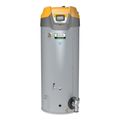
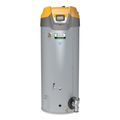
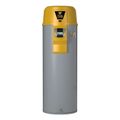
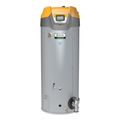
AO Smith Cyclone Commercial Water Heaters

 --%3E %3Csvg version='1.1' id='Half' xmlns='http://www.w3.org/2000/svg' xmlns:xlink='http://www.w3.org/1999/xlink' x='0px' y='0px' viewBox='0 0 100 100' enable-background='new 0 0 100 100' xml:space='preserve'%3E %3Cg%3E %3Cpath fill='%23F15C02' d='M30.05,70.23l3.79-12.01L8.8,39.6l30.73-0.17c0,0,6.98-19.61,10-28.93c0.54,1.36,9.88,29.1,9.88,29.1h1.58 L93.71,7.18c-3.58-3.82-8.66-6.23-14.28-6.23H20.56C9.78,0.95,0.95,9.78,0.95,20.56v58.87c0,5.41,2.22,10.32,5.79,13.88 L30.05,70.23z'/%3E %3C/g%3E %3Cpath fill='%23FBC8B4' d='M93.71,7.18L60.98,39.6H91.2L65.38,58.24l9.38,29.58L49.69,69.78L24.5,87.82l5.55-17.59L6.75,93.32 c3.55,3.54,8.44,5.73,13.82,5.73h58.87c10.79,0,19.61-8.83,19.61-19.61V20.56C99.05,15.4,97.01,10.69,93.71,7.18z'/%3E %3C/svg%3E)
 --%3E %3Csvg version='1.1' id='No-RB' xmlns='http://www.w3.org/2000/svg' xmlns:xlink='http://www.w3.org/1999/xlink' x='0px' y='0px' viewBox='0 0 100 100' enable-background='new 0 0 100 100' xml:space='preserve'%3E %3Cpath fill='%23CECECE' d='M79.44,0.95H20.56C9.78,0.95,0.95,9.78,0.95,20.56v58.87c0,10.79,8.82,19.61,19.61,19.61h58.87 c10.79,0,19.61-8.83,19.61-19.61V20.56C99.05,9.78,90.22,0.95,79.44,0.95z M65.38,58.24l9.38,29.58L49.69,69.78L24.5,87.82 l9.34-29.6L8.8,39.6l30.73-0.17c0,0,6.98-19.61,10-28.93c0.54,1.36,9.88,29.1,9.88,29.1H91.2L65.38,58.24z'/%3E %3C/svg%3E)
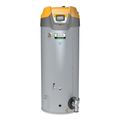
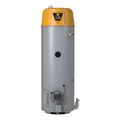
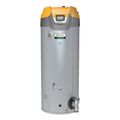
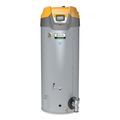
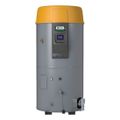
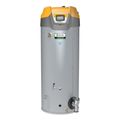
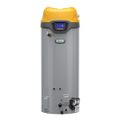
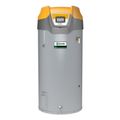
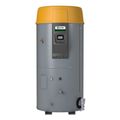
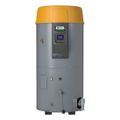
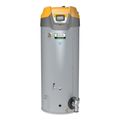
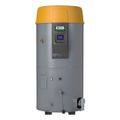
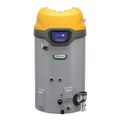
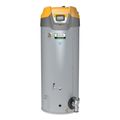
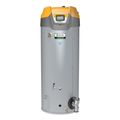
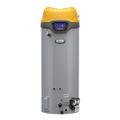
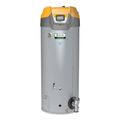
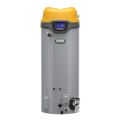
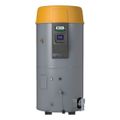
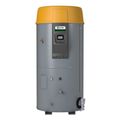
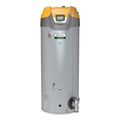

AO Smith Cyclone Commercial Water Heaters are gas-fired storage units built for high-demand commercial hot water applications like restaurants, laundromats, and multi-family buildings. The line is built around a self-cleaning helical flueway that scrubs soot and scale from the flue surface every time the burner cycles, which helps the heater hold onto its rated performance over years of hard commercial use instead of losing output to sediment buildup. Recovery rate, not just storage volume, tends to matter most for commercial buyers, since a smaller tank with a fast recovery can outperform a larger tank that heats slowly during peak demand. Contractors specifying a Cyclone unit typically size it against the building's peak-hour hot water draw rather than average daily use, since undersized recovery is the most common cause of hot water complaints in commercial settings.
Subcategories
- Atmospheric Vent Cyclone Water Heaters: Atmospheric models vent through a standard vertical flue using natural draft, which suits buildings that already have a usable chimney or vertical vent run. They tend to be the simpler and less expensive installation where that infrastructure already exists. Replacement jobs in older commercial buildings often favor this style for exactly that reason. Confirming the existing flue is sized correctly for the new unit is still worth checking before installation.
- Power Vent Cyclone Water Heaters: Power vent models use a built-in blower to push exhaust out through PVC or similar venting, which allows horizontal runs where a masonry chimney isn't available. This opens up more placement options in a mechanical room without existing vertical vent infrastructure. The added blower does introduce a wiring requirement that atmospheric models don't need. Contractors weighing the two often choose power vent when the equipment location sits far from an exterior wall.
- High-Input Cyclone Models for Heavy-Demand Buildings: These units carry a higher gas input rating to serve buildings with continuous or overlapping hot water demand, such as full-service restaurants or larger multi-family properties. Sizing this tier correctly depends on peak-hour draw across every fixture at once, not an average across the day. Oversizing adds standby losses that undersizing avoids, but undersizing is the more common and more disruptive mistake in commercial settings. A proper load calculation before ordering prevents either error.
- Cyclone Replacement Parts and Accessories: This grouping covers gas valves, igniters, thermocouples, and anode rods for Cyclone units already in service. Keeping these components on hand shortens the turnaround on service calls for buildings that can't be without hot water for long. Anode rods in particular need periodic inspection to protect the tank from corrosion. Sourcing parts matched to the specific Cyclone model avoids a fit issue during an already time-sensitive repair.
Buying Guide
Recovery rate is usually the first number to check when specifying a commercial water heater, since it measures how many gallons per hour the unit can reheat rather than just how much it stores. A restaurant with heavy simultaneous demand from a dishwasher and handwashing stations needs strong recovery even if the storage tank itself is modest, while a smaller multi-family building might get by with more storage and a slower recovery rate.
Venting type is the next major decision. Atmospheric models rely on natural draft through a vertical flue and work well where a masonry chimney or straight vertical run already exists. Power vent models use a blower to push exhaust out horizontally, which opens up installation options in buildings without a usable chimney but adds a wiring requirement for the fan.
Gas input capacity should match the building's actual peak demand rather than its average use, since AO Smith Cyclone Commercial Water Heaters are sized in tiers to match everything from a small laundromat to a full-service restaurant. Oversizing adds unnecessary standby losses, while undersizing is the more common and more disruptive mistake in a commercial setting.
Ongoing maintenance access matters as much as the specs on the label. Confirming clearances around the unit for anode rod inspection, gas valve servicing, and flue cleaning before finalizing a location keeps routine maintenance from turning into a bigger job than it needs to be.
Frequently Asked Questions
What makes the Cyclone line different from a standard commercial water heater?
The Cyclone design uses a self-cleaning helical flueway that scrubs soot and mineral scale off the flue surface with every burner cycle, which helps the unit maintain its recovery rate over years of commercial use instead of losing performance to buildup. That self-cleaning action is the main distinction from a standard smooth-flue commercial tank.
How do I know if I need an atmospheric or power vent model?
Atmospheric models need a usable vertical chimney or flue run and work well in older buildings already set up that way. Power vent models use a built-in blower to push exhaust out horizontally, which is the better fit when there's no existing chimney or when the mechanical room sits far from an exterior wall.
Can one of these units serve both a kitchen and a laundry area in the same building?
It can, as long as the recovery rate and gas input are sized for the combined peak draw of both areas rather than either one alone. Running a load calculation for simultaneous demand, not just adding up fixture counts, is the more reliable way to size it correctly.
What routine maintenance does a Cyclone water heater need?
Routine maintenance includes periodic anode rod inspection, sediment flushing, and checking the gas valve and igniter components, similar to other commercial gas water heaters. Leaving clearance around the unit during installation makes this maintenance easier to perform on schedule instead of skipped.
Are Cyclone water heaters only available in gas models?
The Cyclone line is built around gas-fired combustion and its helical flueway design, so buyers looking for electric commercial water heaters need a different product line. Confirming fuel type early avoids ordering the wrong unit for a building without gas service.
