




Filters
SORT
Product Availability –
Max Pressure (PSI) –
Material –
Size –
Review Score –
 --%3E %3Csvg version='1.1' id='Fill' xmlns='http://www.w3.org/2000/svg' xmlns:xlink='http://www.w3.org/1999/xlink' x='0px' y='0px' viewBox='0 0 100 100' enable-background='new 0 0 100 100' xml:space='preserve'%3E %3Cpath fill='%23F15C02' d='M79.44,0.95H20.56C9.78,0.95,0.95,9.78,0.95,20.56v58.87c0,10.79,8.82,19.61,19.61,19.61h58.87 c10.79,0,19.61-8.83,19.61-19.61V20.56C99.05,9.78,90.22,0.95,79.44,0.95z M65.38,58.24l9.38,29.58L49.69,69.78L24.5,87.82 l9.34-29.6L8.8,39.6l30.73-0.17c0,0,6.98-19.61,10-28.93c0.54,1.36,9.88,29.1,9.88,29.1H91.2L65.38,58.24z'/%3E %3C/svg%3E)
Price Range –
Dual Check Valves (Watts Series 7)


 --%3E %3Csvg version='1.1' id='No-RB' xmlns='http://www.w3.org/2000/svg' xmlns:xlink='http://www.w3.org/1999/xlink' x='0px' y='0px' viewBox='0 0 100 100' enable-background='new 0 0 100 100' xml:space='preserve'%3E %3Cpath fill='%23CECECE' d='M79.44,0.95H20.56C9.78,0.95,0.95,9.78,0.95,20.56v58.87c0,10.79,8.82,19.61,19.61,19.61h58.87 c10.79,0,19.61-8.83,19.61-19.61V20.56C99.05,9.78,90.22,0.95,79.44,0.95z M65.38,58.24l9.38,29.58L49.69,69.78L24.5,87.82 l9.34-29.6L8.8,39.6l30.73-0.17c0,0,6.98-19.61,10-28.93c0.54,1.36,9.88,29.1,9.88,29.1H91.2L65.38,58.24z'/%3E %3C/svg%3E)



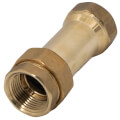
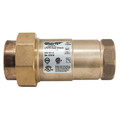
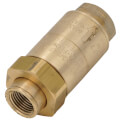
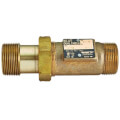
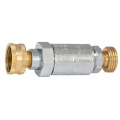
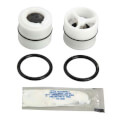
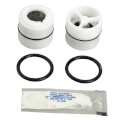
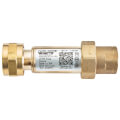
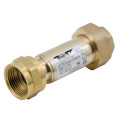
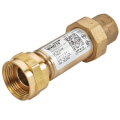
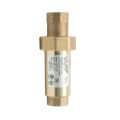
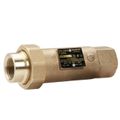
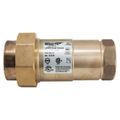
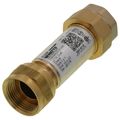
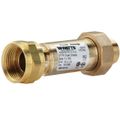
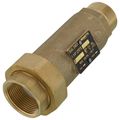


Dual check valves in the Watts Series 7 line are backflow prevention devices that protect a potable water supply from contamination by allowing water to flow in only one direction through the connection. They install on residential and light commercial water services, irrigation systems, and other connections where a cross-connection to the public water supply needs a low-hazard degree of protection rather than a full reduced-pressure assembly. The dual check design uses two independently spring-loaded check valves in series, so if one valve fails to seat properly the second still provides a barrier against backflow. Because these devices are commonly required by a local water authority as a condition of service, confirming the jurisdiction's specific requirement before installation avoids a failed inspection. Sizing and connection type need to match the existing service line, and technicians should also check whether periodic testing is required in the area where the valve is installed.
Subcategories
- Threaded Dual Check Valves: Threaded dual check valves connect directly into a pipe run using standard pipe threads, making them a straightforward option for smaller residential water services or irrigation connections. Because there is no union fitting, removing a threaded valve for service or replacement typically means cutting into the line unless unions were installed on either side during the original job. These are common on simpler installations where the valve is expected to stay in place for a long service interval. Confirming thread size against the existing pipe run before ordering avoids a mismatched fitting on the job.
- Union Dual Check Valves: Union dual check valves include union connections on one or both ends, allowing the valve to be removed for testing, cleaning, or replacement without cutting into the surrounding pipe. This design is preferred wherever a local water authority requires periodic testing or where the valve is expected to need service over its life. The added union fittings increase the overall length of the assembly slightly compared with a threaded-only valve, which is worth accounting for in tight installation spaces. Technicians commonly favor this style for any installation where future access is a realistic concern.
- Dual Check Valves with Atmospheric Vent: Dual check valves with an atmospheric vent add a vent port between the two check valves that opens to release pressure if either valve fails to seal properly, providing a visible indication of a fault rather than a silent failure. This style is often specified where local code calls for a higher visibility of failure than a standard dual check alone provides. The vent needs to be installed with proper clearance and drainage in mind, since it may discharge water during a failure event. Confirming local code requirements before selecting this style is worth doing, since not every jurisdiction requires the vented configuration.
- Meter-Setting Dual Check Valves: Meter-setting dual check valves are designed to install directly at the water meter, often integrated into a meter yoke or setter assembly, providing backflow protection right at the service entry point. This placement is common where a water utility requires protection at the meter itself rather than further downstream in the building's plumbing. Because these valves are built into the meter setting, dimensions and connection types need to match the utility's meter setter specifications closely. Coordinating with the local water utility on their specific meter-setting requirements before ordering avoids a fitting that does not match their standard.
Buying Guide
Selecting a dual check valve starts with confirming what the local water authority requires, since backflow prevention rules vary by jurisdiction and often specify not just that a dual check is needed but which configuration, testing schedule, and installation location apply. Connection type is the next consideration: threaded valves suit simpler installations where the valve is not expected to need frequent service, while union-style valves make future testing or replacement easier without cutting into the surrounding pipe. For installations where visible failure indication matters, a vented configuration provides a clearer signal when a check valve is not sealing properly, though it needs proper clearance for potential discharge. Meter-setting configurations solve a different problem, providing protection right at the service entry point when a utility requires it there rather than further into the building's plumbing, and these need to match the utility's specific meter setter dimensions. Sizing should match the existing service line rather than being upsized or downsized based on assumptions about future demand, since an incorrectly sized valve can restrict flow or fail to provide adequate protection. Testing requirements are worth confirming early in the selection process too, since a valve installed without accessible unions in an area that requires periodic testing creates an avoidable service problem down the road. Working directly from the water authority's specific requirements, rather than a general assumption about what backflow protection is needed, is the most reliable way to select the right configuration.
Frequently Asked Questions
What does a dual check valve protect against?
It protects the potable water supply from backflow contamination by allowing water to flow in only one direction through the connection, using two independent check valves in series for added protection if one fails to seat.
When is a union-style dual check valve preferred over a threaded one?
Union-style valves are preferred wherever periodic testing or future replacement is expected, since the union fittings allow the valve to be removed without cutting into the surrounding pipe.
Why would a vented dual check valve be required instead of a standard one?
Some jurisdictions require a vented configuration because the vent provides a visible sign of failure if either check valve stops sealing properly, rather than a silent failure that could go unnoticed.
Where does a meter-setting dual check valve get installed?
It installs directly at the water meter, often built into the meter yoke or setter assembly, providing backflow protection right at the point where the service enters the property.
Does every water utility require the same dual check valve configuration?
No, requirements vary by jurisdiction, including which configuration is acceptable, whether testing is required, and where the valve needs to be installed, so confirming local requirements before ordering is important.
