




Filters
SORT
Product Availability –
Brand –
Size –
Material –
Review Score –
 --%3E %3Csvg version='1.1' id='Fill' xmlns='http://www.w3.org/2000/svg' xmlns:xlink='http://www.w3.org/1999/xlink' x='0px' y='0px' viewBox='0 0 100 100' enable-background='new 0 0 100 100' xml:space='preserve'%3E %3Cpath fill='%23F15C02' d='M79.44,0.95H20.56C9.78,0.95,0.95,9.78,0.95,20.56v58.87c0,10.79,8.82,19.61,19.61,19.61h58.87 c10.79,0,19.61-8.83,19.61-19.61V20.56C99.05,9.78,90.22,0.95,79.44,0.95z M65.38,58.24l9.38,29.58L49.69,69.78L24.5,87.82 l9.34-29.6L8.8,39.6l30.73-0.17c0,0,6.98-19.61,10-28.93c0.54,1.36,9.88,29.1,9.88,29.1H91.2L65.38,58.24z'/%3E %3C/svg%3E)
Electro-Galvanized Beam Clamps




 --%3E %3Csvg version='1.1' id='No-RB' xmlns='http://www.w3.org/2000/svg' xmlns:xlink='http://www.w3.org/1999/xlink' x='0px' y='0px' viewBox='0 0 100 100' enable-background='new 0 0 100 100' xml:space='preserve'%3E %3Cpath fill='%23CECECE' d='M79.44,0.95H20.56C9.78,0.95,0.95,9.78,0.95,20.56v58.87c0,10.79,8.82,19.61,19.61,19.61h58.87 c10.79,0,19.61-8.83,19.61-19.61V20.56C99.05,9.78,90.22,0.95,79.44,0.95z M65.38,58.24l9.38,29.58L49.69,69.78L24.5,87.82 l9.34-29.6L8.8,39.6l30.73-0.17c0,0,6.98-19.61,10-28.93c0.54,1.36,9.88,29.1,9.88,29.1H91.2L65.38,58.24z'/%3E %3C/svg%3E)


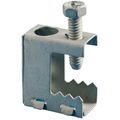

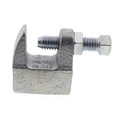



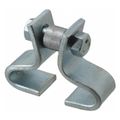
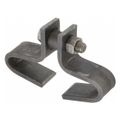
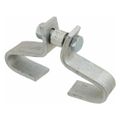
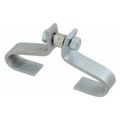
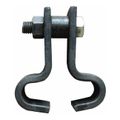
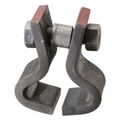
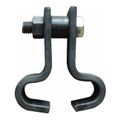
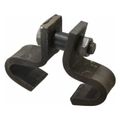
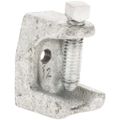


Electro-Galvanized Beam Clamps are steel fittings used to attach threaded hanger rod to the flange of a structural I-beam, channel, or wide-flange beam without drilling or welding. Installers rely on them to support piping, ductwork, and conduit runs in commercial and industrial buildings where beam penetration isn't allowed or practical. Rod sizes on common electro-galvanized styles range from 3/8" up to 7/8", covering most light and medium support loads found on a typical mechanical job. The electro-galvanized finish resists corrosion better than plain steel, so the clamp holds up in the damp or unconditioned spaces where hangers often sit for the life of the building. Because the clamp bolts onto the beam flange rather than requiring a permanent modification, crews can reposition or remove it later if a run changes. That flexibility, combined with straightforward installation, makes electro-galvanized beam clamps a standard part of any hanger assembly on structural steel.
Subcategories
- C-Clamps: C-clamps grip the beam flange with a C-shaped body and a set screw or cup point that bears directly on the flange. Electricians and pipe fitters use them for lighter loads where the beam thickness falls within the clamp's rated range. Common rod sizes run from 3/8" to 3/4". The design allows quick installation with a wrench and no welding.
- Malleable Iron Beam Clamps: Malleable iron beam clamps use a cast body designed for higher design loads, often between 300 and 530 lbs depending on rod size. Mechanical contractors specify them for heavier pipe runs or ductwork where a stamped steel clamp isn't rated high enough. They're built to conform to Manufacturers Standardization Society ANSI/MSS SP-69 and SP-58, Type 23. Installers still tighten them onto the flange with a set screw, no drilling required.
- Retaining Clip Beam Clamps: Retaining clip styles add a spring clip or retaining strap that keeps the clamp from walking off the flange during vibration or thermal movement. HVAC installers favor this style on rooftop and mechanical room runs subject to constant vibration from equipment. The clip supplements the set screw rather than replacing it. Rod sizes typically match standard C-clamp offerings.
- Adjustable Beam Clamps: Adjustable beam clamps use two jaws that tighten around the flange from both sides, accommodating a range of flange thicknesses up to about 3/4". Contractors use this style when the exact beam profile isn't known ahead of time or varies across a job site. The adjustable jaw removes the guesswork of matching a fixed clamp to a specific beam size. It still threads onto standard hanger rod once positioned.
Buying Guide
Start with the rod size the support system calls for, since electro-galvanized beam clamps are sold by rod thread size from 3/8" up through 7/8", and the clamp has to match the rod already specified for that hanger run. Next, check the beam flange thickness against the clamp's rated range; most standard clamps top out around 3/4" of flange thickness, and a clamp rated for a thinner flange won't seat properly on a heavier beam. Confirm the design load against the actual weight the hanger will carry, including the pipe or duct, its contents, and any insulation, then add a margin rather than running right at the rated limit. Electro-Galvanized Beam Clamps hold up well in damp mechanical rooms and unconditioned attics because the zinc coating protects the base steel from rust, so they're a reasonable default anywhere plain steel would corrode over time. For runs subject to vibration, such as near rooftop units or pumps, a retaining clip style keeps the clamp from shifting on the flange. Verify the clamp conforms to the applicable standard for the job, typically ANSI/MSS SP-69 or SP-58, since some specs and inspectors require documented compliance. Buy a few extra clamps per run; a dropped or misaligned clamp is common on longer hanger installs, and having spares on hand avoids a mid-job supply run.
Frequently Asked Questions
What rod sizes do electro-galvanized beam clamps come in?
Electro-galvanized beam clamps are commonly sold in rod sizes from 3/8" up to 7/8", matching the threaded hanger rod used in the support assembly. Picking the right size keeps the rod threading tight and the load properly transferred to the beam.
How much weight can a beam clamp hold?
Design loads vary by rod size and clamp style, with malleable iron versions typically rated between 300 and 530 lbs. Always match the clamp's rated load to the actual weight of the pipe, duct, or conduit it will support, including insulation and contents.
Do beam clamps require drilling into the beam?
No. Beam clamps attach to the flange with a set screw or jaw mechanism, so no drilling or welding into the structural steel is needed. That makes them a common choice where beam penetration isn't permitted by the building's structural engineer.
What's the difference between electro-galvanized and hot-dip galvanized finishes?
Electro-galvanized coating is thinner and applied through an electroplating process, giving good corrosion resistance for indoor and semi-protected applications. Hot-dip galvanizing produces a thicker coating better suited to fully exposed outdoor or highly corrosive environments.
What standards do electro-galvanized beam clamps meet?
Many electro-galvanized beam clamps conform to Manufacturers Standardization Society standards ANSI/MSS SP-69 and SP-58, Type 23. Checking for this compliance matters when a project spec or inspector requires documented conformance for hanger hardware.
