




Heating Equipment Brushes

 --%3E %3Csvg version='1.1' id='No-RB' xmlns='http://www.w3.org/2000/svg' xmlns:xlink='http://www.w3.org/1999/xlink' x='0px' y='0px' viewBox='0 0 100 100' enable-background='new 0 0 100 100' xml:space='preserve'%3E %3Cpath fill='%23CECECE' d='M79.44,0.95H20.56C9.78,0.95,0.95,9.78,0.95,20.56v58.87c0,10.79,8.82,19.61,19.61,19.61h58.87 c10.79,0,19.61-8.83,19.61-19.61V20.56C99.05,9.78,90.22,0.95,79.44,0.95z M65.38,58.24l9.38,29.58L49.69,69.78L24.5,87.82 l9.34-29.6L8.8,39.6l30.73-0.17c0,0,6.98-19.61,10-28.93c0.54,1.36,9.88,29.1,9.88,29.1H91.2L65.38,58.24z'/%3E %3C/svg%3E)

 --%3E %3Csvg version='1.1' id='Fill' xmlns='http://www.w3.org/2000/svg' xmlns:xlink='http://www.w3.org/1999/xlink' x='0px' y='0px' viewBox='0 0 100 100' enable-background='new 0 0 100 100' xml:space='preserve'%3E %3Cpath fill='%23F15C02' d='M79.44,0.95H20.56C9.78,0.95,0.95,9.78,0.95,20.56v58.87c0,10.79,8.82,19.61,19.61,19.61h58.87 c10.79,0,19.61-8.83,19.61-19.61V20.56C99.05,9.78,90.22,0.95,79.44,0.95z M65.38,58.24l9.38,29.58L49.69,69.78L24.5,87.82 l9.34-29.6L8.8,39.6l30.73-0.17c0,0,6.98-19.61,10-28.93c0.54,1.36,9.88,29.1,9.88,29.1H91.2L65.38,58.24z'/%3E %3C/svg%3E)
 --%3E %3Csvg version='1.1' id='Half' xmlns='http://www.w3.org/2000/svg' xmlns:xlink='http://www.w3.org/1999/xlink' x='0px' y='0px' viewBox='0 0 100 100' enable-background='new 0 0 100 100' xml:space='preserve'%3E %3Cg%3E %3Cpath fill='%23F15C02' d='M30.05,70.23l3.79-12.01L8.8,39.6l30.73-0.17c0,0,6.98-19.61,10-28.93c0.54,1.36,9.88,29.1,9.88,29.1h1.58 L93.71,7.18c-3.58-3.82-8.66-6.23-14.28-6.23H20.56C9.78,0.95,0.95,9.78,0.95,20.56v58.87c0,5.41,2.22,10.32,5.79,13.88 L30.05,70.23z'/%3E %3C/g%3E %3Cpath fill='%23FBC8B4' d='M93.71,7.18L60.98,39.6H91.2L65.38,58.24l9.38,29.58L49.69,69.78L24.5,87.82l5.55-17.59L6.75,93.32 c3.55,3.54,8.44,5.73,13.82,5.73h58.87c10.79,0,19.61-8.83,19.61-19.61V20.56C99.05,15.4,97.01,10.69,93.71,7.18z'/%3E %3C/svg%3E)
 --%3E %3Csvg version='1.1' id='With-RB' xmlns='http://www.w3.org/2000/svg' xmlns:xlink='http://www.w3.org/1999/xlink' x='0px' y='0px' viewBox='0 0 100 100' enable-background='new 0 0 100 100' xml:space='preserve'%3E %3Cpath fill='%23FBC8B4' d='M79.44,0.95H20.56C9.78,0.95,0.95,9.78,0.95,20.56v58.87c0,10.79,8.82,19.61,19.61,19.61h58.87 c10.79,0,19.61-8.83,19.61-19.61V20.56C99.05,9.78,90.22,0.95,79.44,0.95z M65.38,58.24l9.38,29.58L49.69,69.78L24.5,87.82 l9.34-29.6L8.8,39.6l30.73-0.17c0,0,6.98-19.61,10-28.93c0.54,1.36,9.88,29.1,9.88,29.1H91.2L65.38,58.24z'/%3E %3C/svg%3E)
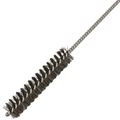
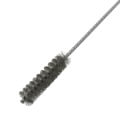
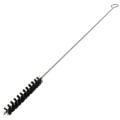
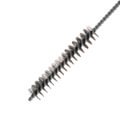
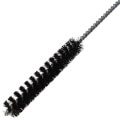
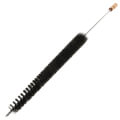
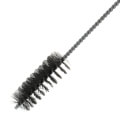
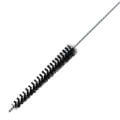
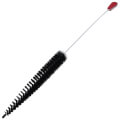
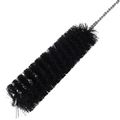
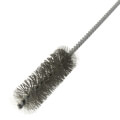

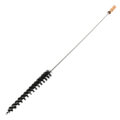
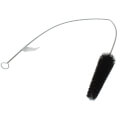
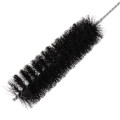
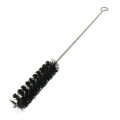
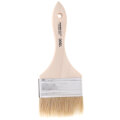
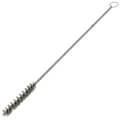
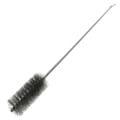
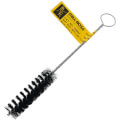
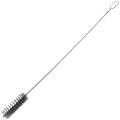
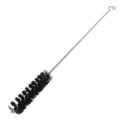
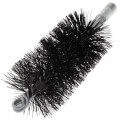

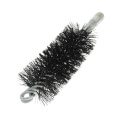

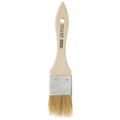
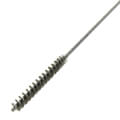
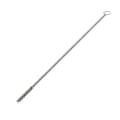
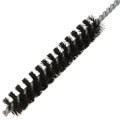

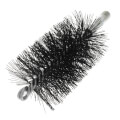
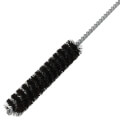
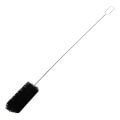

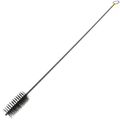
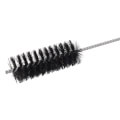
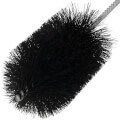
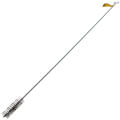
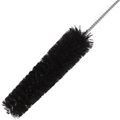
Heating equipment brushes clean the fireside and waterside surfaces inside boilers, furnaces, and chimneys where soot, scale, and creosote build up and reduce heat transfer efficiency over time. The category covers flue brushes sized for specific tube diameters, wire and nylon bristle styles for different surface materials, and extension handles or rods that reach deep into a heat exchanger or chimney flue. A technician who skips regular brushing on a fossil fuel appliance eventually sees the effects show up as higher fuel use and uneven heating, since a layer of soot on a heat exchanger surface insulates it from the water or air meant to absorb that heat. Matching brush size and bristle material to the specific tube or flue being cleaned keeps the job effective without scratching a surface that is not meant to handle a wire brush.
Subcategories
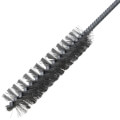
- Flue Brushes: Flue brushes are sized to match the inside diameter of a specific boiler or furnace flue tube, and using an undersized brush leaves soot behind while an oversized one can jam or bend inside the tube. Round wire bristles wrapped around a flexible core reach the full length of a typical residential flue in a few passes. A technician working on multiple appliance models generally keeps a small range of flue brush sizes on hand rather than a single size.
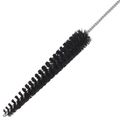
- Boiler Tube Brushes: Boiler tube brushes clean the fireside surface of a boiler's heat exchanger tubes, where combustion byproducts accumulate fastest and have the most direct effect on efficiency. They typically pair with an extension rod or a drill attachment to reach tubes set deep inside a larger commercial boiler. Regular tube brushing on a boiler in heavy use keeps the heat exchanger performing closer to its rated efficiency between full service intervals.
- Chimney & Flue Cleaning Brushes: Chimney and flue cleaning brushes handle the larger diameters and longer reach needed for masonry or metal chimney flues, as opposed to the smaller tube brushes used inside a boiler or furnace itself. Poly or wire bristle heads attach to threaded extension rods that join together to reach the full height of a typical residential chimney. Choosing poly over wire bristles usually comes down to the flue liner material, since a wire brush can damage certain metal or tile liners over repeated use.
- Brush Handles, Rods & Attachments: Handles, extension rods, and drill attachments extend the reach of a cleaning brush into tubes and flues that a hand alone cannot access, and they connect using threaded or quick-connect fittings depending on the brush style. A rod set built from interlocking sections lets a technician add or remove length to match different job sites without buying a separate rod for every reach. Keeping rods in good condition matters, since a bent or worn connector can bind or separate mid-cleaning inside a flue.
Buying Guide
Start by measuring the tube or flue diameter that needs cleaning, since a brush that is too small leaves soot behind while one that is too large can jam or bend against the tube wall. Manufacturer service documentation for the specific boiler or furnace model usually lists the correct tube diameter, which is a more reliable source than estimating by eye.
Match bristle material to the surface being cleaned. Wire bristles handle heavy soot and scale on metal tubes effectively but can damage some flue liners and softer surfaces, while poly or nylon bristles are gentler and better suited to chimney liners that a wire brush would scratch or wear down over repeated cleanings.
Heating equipment brushes are typically sold with or without a handle or rod attached, so confirm what reach is needed for the job before ordering. A residential furnace flue usually needs only a short handle, while a commercial boiler's tubes or a full chimney flue calls for extension rods that join together to reach several feet.
Buy a few common sizes rather than a single brush when servicing multiple appliance models regularly, since flue and tube diameters vary enough between manufacturers that one size rarely covers a full route of service calls. Replacing a brush once its bristles have worn down or splayed keeps cleaning effective, since a worn brush can pass over buildup without fully removing it.
Frequently Asked Questions
What size flue brush do I need for a residential boiler?
Flue brush size should match the inside diameter of the specific flue tube, which is typically listed in the boiler's service documentation rather than estimated by eye.
Should I use a wire brush or a poly brush on a chimney flue?
It depends on the liner material. Wire brushes clean heavy soot effectively but can damage some metal or tile liners, while poly bristles are gentler and better suited to liners a wire brush would scratch.
How often should boiler tubes be brushed?
There is no universal schedule, but a boiler in heavy use benefits from tube brushing between full service intervals, since a buildup of combustion byproducts on the heat exchanger reduces efficiency well before a full service is due.
Can one brush handle both flue tubes and chimney cleaning?
Not usually. Flue tube brushes are sized for the smaller diameters inside a boiler or furnace, while chimney brushes are built for the larger diameters and longer reach of a masonry or metal chimney flue.
How do I know when a brush needs to be replaced?
A brush with bristles that have worn down or splayed outward will pass over buildup without fully removing it, which is the clearest sign it is due for replacement.
