




Filters
SORT
Product Availability –
Reset Type –
Used With –
Review Score –
 --%3E %3Csvg version='1.1' id='Fill' xmlns='http://www.w3.org/2000/svg' xmlns:xlink='http://www.w3.org/1999/xlink' x='0px' y='0px' viewBox='0 0 100 100' enable-background='new 0 0 100 100' xml:space='preserve'%3E %3Cpath fill='%23F15C02' d='M79.44,0.95H20.56C9.78,0.95,0.95,9.78,0.95,20.56v58.87c0,10.79,8.82,19.61,19.61,19.61h58.87 c10.79,0,19.61-8.83,19.61-19.61V20.56C99.05,9.78,90.22,0.95,79.44,0.95z M65.38,58.24l9.38,29.58L49.69,69.78L24.5,87.82 l9.34-29.6L8.8,39.6l30.73-0.17c0,0,6.98-19.61,10-28.93c0.54,1.36,9.88,29.1,9.88,29.1H91.2L65.38,58.24z'/%3E %3C/svg%3E)
 --%3E %3Csvg version='1.1' id='With-RB' xmlns='http://www.w3.org/2000/svg' xmlns:xlink='http://www.w3.org/1999/xlink' x='0px' y='0px' viewBox='0 0 100 100' enable-background='new 0 0 100 100' xml:space='preserve'%3E %3Cpath fill='%23FBC8B4' d='M79.44,0.95H20.56C9.78,0.95,0.95,9.78,0.95,20.56v58.87c0,10.79,8.82,19.61,19.61,19.61h58.87 c10.79,0,19.61-8.83,19.61-19.61V20.56C99.05,9.78,90.22,0.95,79.44,0.95z M65.38,58.24l9.38,29.58L49.69,69.78L24.5,87.82 l9.34-29.6L8.8,39.6l30.73-0.17c0,0,6.98-19.61,10-28.93c0.54,1.36,9.88,29.1,9.88,29.1H91.2L65.38,58.24z'/%3E %3C/svg%3E)
Price Range –
Mcdonnell & Miller Low Water Cutoffs





 --%3E %3Csvg version='1.1' id='No-RB' xmlns='http://www.w3.org/2000/svg' xmlns:xlink='http://www.w3.org/1999/xlink' x='0px' y='0px' viewBox='0 0 100 100' enable-background='new 0 0 100 100' xml:space='preserve'%3E %3Cpath fill='%23CECECE' d='M79.44,0.95H20.56C9.78,0.95,0.95,9.78,0.95,20.56v58.87c0,10.79,8.82,19.61,19.61,19.61h58.87 c10.79,0,19.61-8.83,19.61-19.61V20.56C99.05,9.78,90.22,0.95,79.44,0.95z M65.38,58.24l9.38,29.58L49.69,69.78L24.5,87.82 l9.34-29.6L8.8,39.6l30.73-0.17c0,0,6.98-19.61,10-28.93c0.54,1.36,9.88,29.1,9.88,29.1H91.2L65.38,58.24z'/%3E %3C/svg%3E)


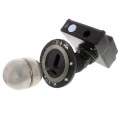
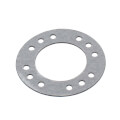
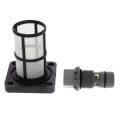
 --%3E %3Csvg version='1.1' id='Half' xmlns='http://www.w3.org/2000/svg' xmlns:xlink='http://www.w3.org/1999/xlink' x='0px' y='0px' viewBox='0 0 100 100' enable-background='new 0 0 100 100' xml:space='preserve'%3E %3Cg%3E %3Cpath fill='%23F15C02' d='M30.05,70.23l3.79-12.01L8.8,39.6l30.73-0.17c0,0,6.98-19.61,10-28.93c0.54,1.36,9.88,29.1,9.88,29.1h1.58 L93.71,7.18c-3.58-3.82-8.66-6.23-14.28-6.23H20.56C9.78,0.95,0.95,9.78,0.95,20.56v58.87c0,5.41,2.22,10.32,5.79,13.88 L30.05,70.23z'/%3E %3C/g%3E %3Cpath fill='%23FBC8B4' d='M93.71,7.18L60.98,39.6H91.2L65.38,58.24l9.38,29.58L49.69,69.78L24.5,87.82l5.55-17.59L6.75,93.32 c3.55,3.54,8.44,5.73,13.82,5.73h58.87c10.79,0,19.61-8.83,19.61-19.61V20.56C99.05,15.4,97.01,10.69,93.71,7.18z'/%3E %3C/svg%3E)

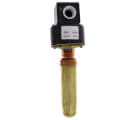

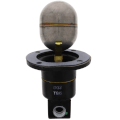


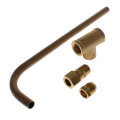
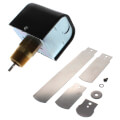


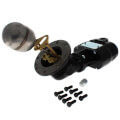



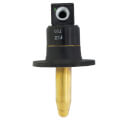



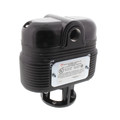
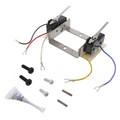
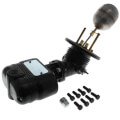
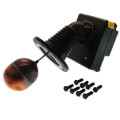
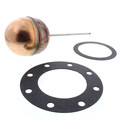
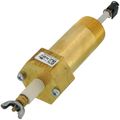
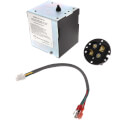


McDonnell & Miller low water cutoffs protect steam and hot water boilers from operating without adequate water, a condition that can damage a boiler quickly. McDonnell & Miller has manufactured boiler controls, liquid level controls, and flow switches since 1924, when the company began by improving low-pressure steam boiler safety before expanding into controls for hot water systems. Technicians and contractors reach for this category when installing a new boiler, replacing a failed or aging cutoff, or meeting a code requirement for low water protection on an existing system. Low water cutoffs shut down the boiler's burner or otherwise interrupt operation when water level drops below a safe threshold, preventing the equipment from firing on an empty or partially empty vessel. The category includes both mechanical float-type cutoffs and electronic probe-type designs, along with combination units that pair a cutoff with a pump controller. Selecting the correct type and mounting configuration for a given boiler keeps this safety-critical function working as designed.
Subcategories
- Mechanical Float Type Cutoffs: Mechanical float type cutoffs use a float mechanism that rises and falls with the boiler's water level, tripping a switch when the level drops too low. Contractors specify this style for its simple, well-proven mechanism on both steam and hot water boilers. The subcategory covers models sized for different boiler pressure ratings and connection styles. Periodic flushing of the float chamber keeps sediment from interfering with the float's movement.
- Electronic Probe Type Cutoffs: Electronic probe type cutoffs sense water level through a conductivity probe rather than a moving float, an approach some contractors prefer for reduced mechanical wear over time. Technicians select this style on installations where probe-based sensing suits the boiler's design or a facility's maintenance preferences. The subcategory includes probes and control modules sized for various boiler configurations. Confirming probe length against the boiler's tapping depth keeps the sensor positioned at the correct water level.
- Combination Low Water Cutoff and Pump Controllers: Combination units pair a low water cutoff with a pump controller in a single device, a configuration common on hot water boilers that also need automatic feed water control. Contractors use this subcategory to cover both safety shutoff and water feed functions without installing two separate devices. The subcategory spans models suited to different boiler pressure ranges. Matching the combination unit's pressure rating to the boiler's operating pressure is a required step before installation.
- Low Water Cutoff Repair Parts: Repair parts include the floats, probes, gaskets, and switch mechanisms needed to service a low water cutoff already in the field. Technicians use these parts during routine maintenance or when a cutoff is sticking or failing to trip properly. The subcategory groups parts matched to specific McDonnell & Miller cutoff models. Testing the cutoff's operation after any repair confirms it trips at the correct water level before returning the boiler to service.
Buying Guide
Selecting a McDonnell & Miller low water cutoff starts with identifying the boiler type, steam or hot water, since some cutoff models are designed specifically for one or the other while others serve both. Mechanical float type cutoffs offer a well-established, simple mechanism suited to most installations, while electronic probe type cutoffs appeal to facilities that prefer reduced mechanical wear or a different maintenance approach. Hot water boilers that also need automatic feed water control are often better served by a combination cutoff and pump controller rather than two separate devices, simplifying both installation and future service calls. Pressure rating has to match the boiler's operating pressure exactly, since a cutoff rated below the system's operating range creates a genuine safety gap rather than a minor mismatch. Mounting configuration and tapping size need to align with the boiler's existing connections, and probe type units in particular require checking probe length against tapping depth to keep the sensor positioned at the correct water level. Because a low water cutoff is a life-safety device, contractors should avoid substituting a lower-rated or mismatched unit even as a temporary measure, and any cutoff showing signs of sticking, corrosion, or failure to trip during testing should be repaired with matched parts or replaced outright rather than left in service. Routine testing, following the applicable boiler code's schedule, confirms the cutoff still trips at the correct water level as the boiler ages.
Frequently Asked Questions
What does a low water cutoff actually do?
A low water cutoff shuts down a boiler's burner or interrupts operation when water level drops below a safe threshold, preventing the boiler from firing on an empty or partially empty vessel.
What's the difference between a mechanical float type and an electronic probe type cutoff?
A mechanical float type uses a float that rises and falls with water level to trip a switch, while an electronic probe type senses water level through a conductivity probe instead of a moving mechanism.
When does a combination cutoff and pump controller make sense?
Combination units suit hot water boilers that need both a safety shutoff and automatic feed water control, combining both functions into a single device rather than installing two separate ones.
How often should a low water cutoff be tested?
Testing frequency follows the applicable boiler code and the facility's maintenance program. Most steam and hot water boiler systems call for periodic testing to confirm the cutoff trips at the correct water level.
Can a low water cutoff be repaired instead of replaced?
A cutoff that's sticking or showing minor wear can often be serviced with matched replacement parts such as floats, probes, or gaskets. A unit that's corroded or failing to trip during testing should be replaced rather than repaired.
